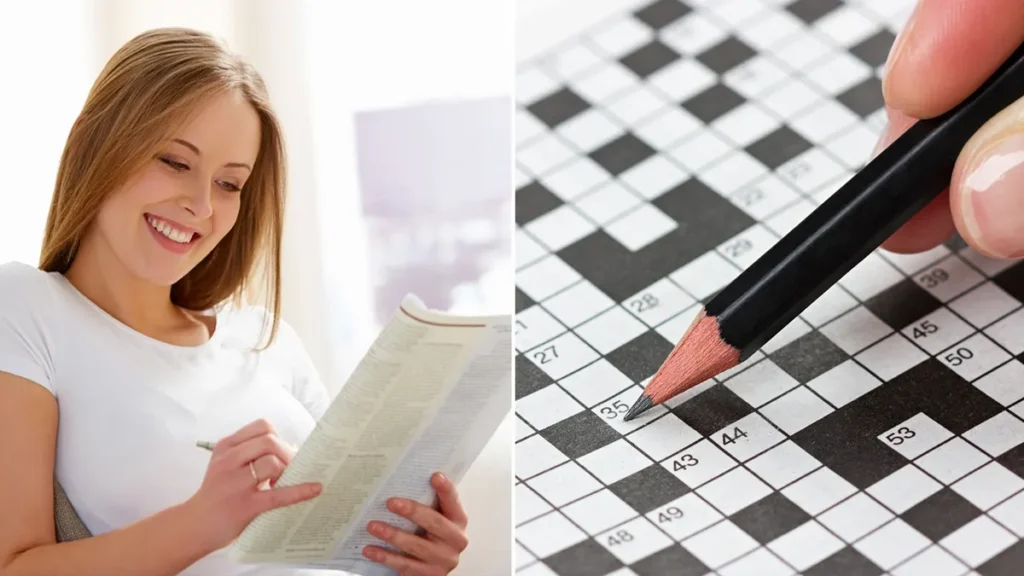
Have you ever opened a Sunday newspaper, stared blankly at a sprawling grid of white and black squares, and wondered exactly how to solve crosswords without feeling like you need a master’s degree in literature? Crossword puzzles can seem intensely intimidating to the uninitiated, looking less like a fun hobby and more like a frustrating vocabulary test. However, becoming a fast, efficient solver has very little to do with memorizing an entire dictionary. Instead, it relies on mastering the structural formulas, hidden codes, and language patterns that puzzle constructors use every single day.
Learning how to navigate a word grid is an incredibly rewarding mental pursuit. It expands your lateral thinking capabilities, introduces you to fascinating trivia, and provides a deeply satisfying sense of accomplishment when a difficult corner finally clicks into place.
Whether you are hunting for foundational crossword tips for beginners to finish your very first mini grid or seeking advanced crossword solving tricks to slice your daily solve times in half, this definitive crossword puzzle guide covers every strategy you need.
The Secret Language of Crossword Puzzles
Before you can fill in a single blank space, you must realize that puzzle constructors are not just asking trivia questions. They are actively playing a game of wordplay with you. To get a head start, you must understand the unwritten rules that govern every professional grid layout.
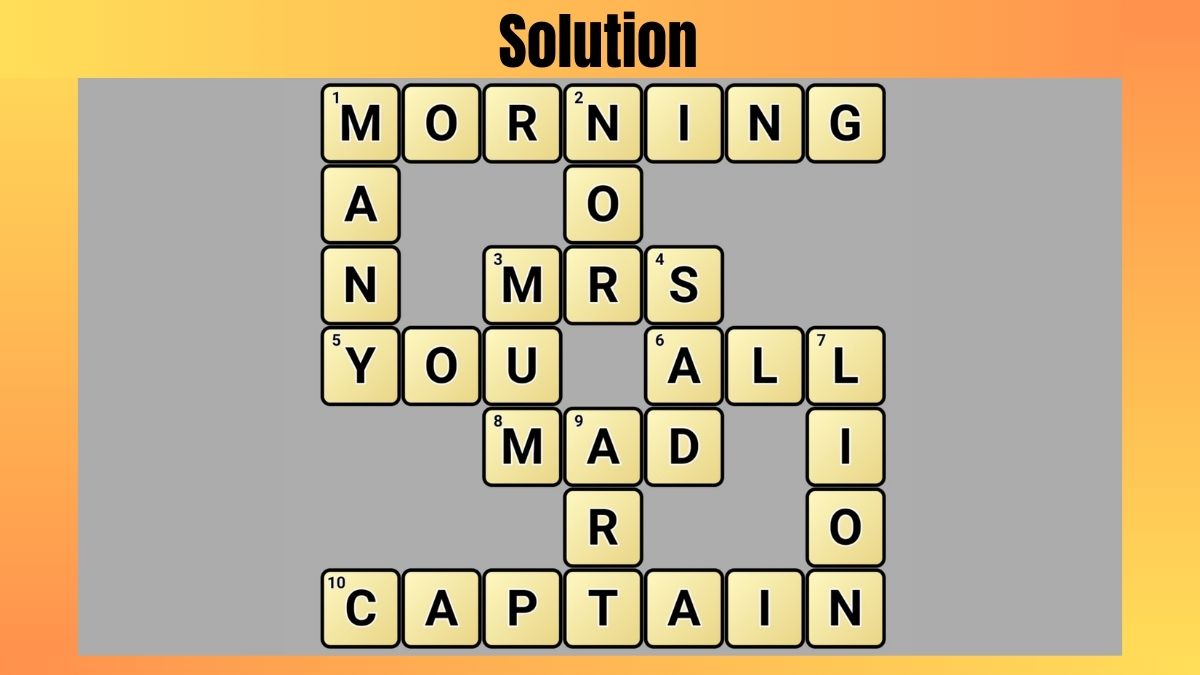
The Golden Rule of Tense and Plurality
The absolute most important crossword for beginners rule is that the clue and the answer must always match grammatically. They must share the exact same part of speech, tense, and plurality.
If a clue is written in the past tense, the answer will always be in the past tense. For example, if the clue is “Ran quickly,” the answer might be “SPRINTED,” not “SPRINT.” Similarly, if the clue is plural, such as “Kitchen appliances,” the answer will inevitably end in the letter S, like “TOASTERS.” Recognizing this basic matching rule gives you immediate structural crossword hints regarding the final letters of your mystery words.
Step-by-Step Strategic Solving Workflows
When you sit down with a fresh grid, do not just start at 1-Across and expect to cruise straight through to the bottom right corner. Instead, utilizing a systematic crossword strategy prevents you from getting stuck in a loop of frustration.
Step 1: Scan for the Absolute Certainties (Fill-in-the-Blanks)
Always begin your puzzle journey by scanning the clue list for fill-in-the-blank style phrases. These are intentionally included by constructors as entry points because they are the easiest clues to solve. A clue like “President ___ Lincoln” or “Rock and ___” requires zero guessing. Finding these instant victories provides you with vital anchor letters across the board.
Step 2: Work the Connecting Intersections
Once you successfully place a correct word into the grid, do not jump to a completely random section of the board. Instead, immediately solve the shorter clues that cross through your new word. Using the letters you already know drastically reduces the possibilities for the intersecting words, turning an open-ended guess into a simple spelling task.
Step 3: Identify the Abbreviation Identifiers
Crossword creators frequently compress words to fit tight spaces. However, they are legally required to notify you if an answer is an abbreviation. Look at the end of the clue for indicators like “Abbr.”, “for short”, or a localized reference. If the clue is “Doctor’s group, for short,” the answer is “AMA,” not “ASSOCIATION.”
Step 4: Master the Art of the Question Mark
If you spot a clue that ends with a question mark, warning bells should ring in your mind. This is the universal sign for wordplay, puns, or double meanings. The constructor is trying to trick you. For instance, the clue “School masters?” sounds like it refers to principals. However, because of the question mark, it actually means “TREES” (as in a school of fish or botanical groupings). This same trick-the-solver logic powers our rebus puzzle answers and solutions guide, where pictures and letters hide double meanings the same way question-mark clues do
Essential Crossword Solving Techniques to Build Speed
As you strive to figure out how to get better at crosswords, you will need to add specific crossword solving techniques to your mental repertoire to handle mid-week and weekend challenges.
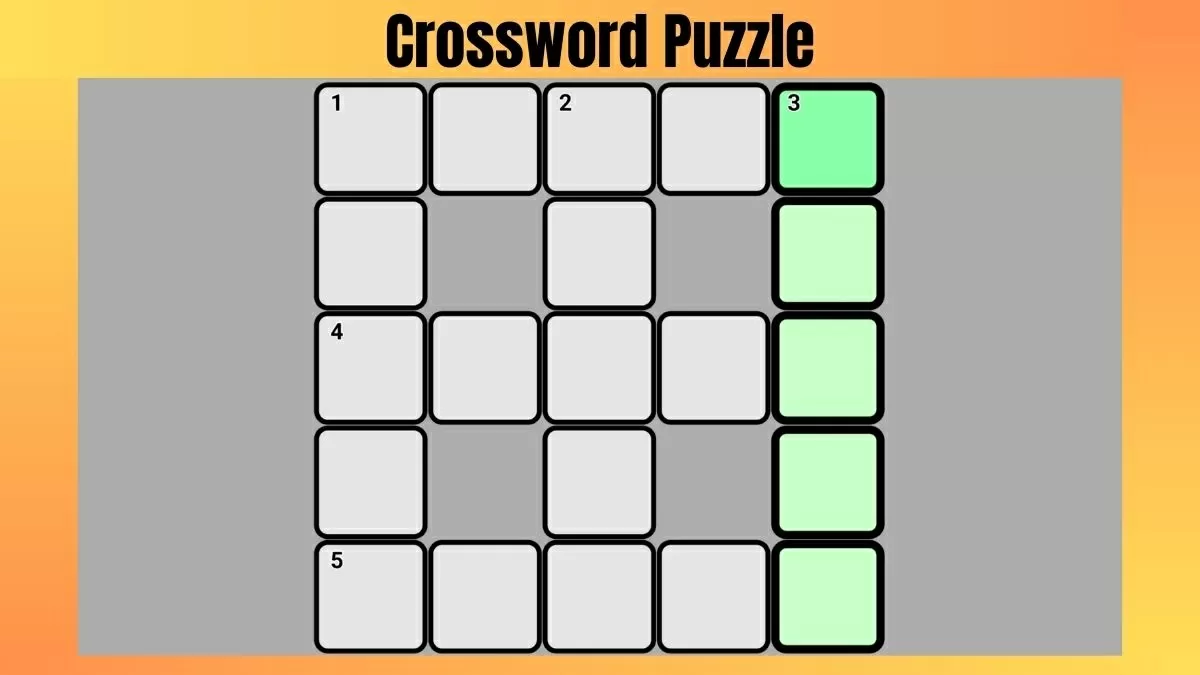
Comparison of Beginner vs. Advanced Solving Behaviors
For a broader mix of grid-based and pattern puzzles, take a look at these free printable logic puzzles, which include crossword-style logic challenges alongside number puzzles.
| Solving Scenario | Beginner Approach | Advanced Strategic Approach | Time Saving Advantage |
| Encountering an unsure answer | Write it down in dark ink immediately and try to force it to work. | Write it down very lightly or leave it blank until intersections confirm it. | Prevents cascading errors across the grid. |
| Stuck on a long themed clue | Focus entirely on the long word until the brain tires out. | Solve the short three-letter and four-letter perimeter words first. | populates cross letters that reveal the long phrase. |
| Stuck on a confusing pun clue | Take the words literally and get frustrated by the lack of fit. | Look for secondary definitions or alternate parts of speech. | Overcomes mental blocks caused by misdirection. |
The Power of Three and Four Letter Words
In the world of crossword construction, small words are the glue that holds the entire grid together. Because certain short vowel combinations are incredibly convenient for connecting long theme entries, you will see the same small words appear repeatedly. Learning common crossword mainstays like “ALOE,” “ERIE,” “OLEO,” and “AREA” is a vital shortcut that will save you hours of solving time over your puzzling career. If short, compact wordplay is your thing, you’ll also enjoy these 50 rebus puzzle solutions explained, which break down word-position logic in a similar bite-sized way.
Venturing Into Cryptic Crosswords
Once you can breeze through standard puzzles, you might want to test your limits with a specialized cryptic crossword tips framework. Popular in Britain and elite puzzle circles, cryptic puzzles feature clues that are entirely self-contained mini riddles.
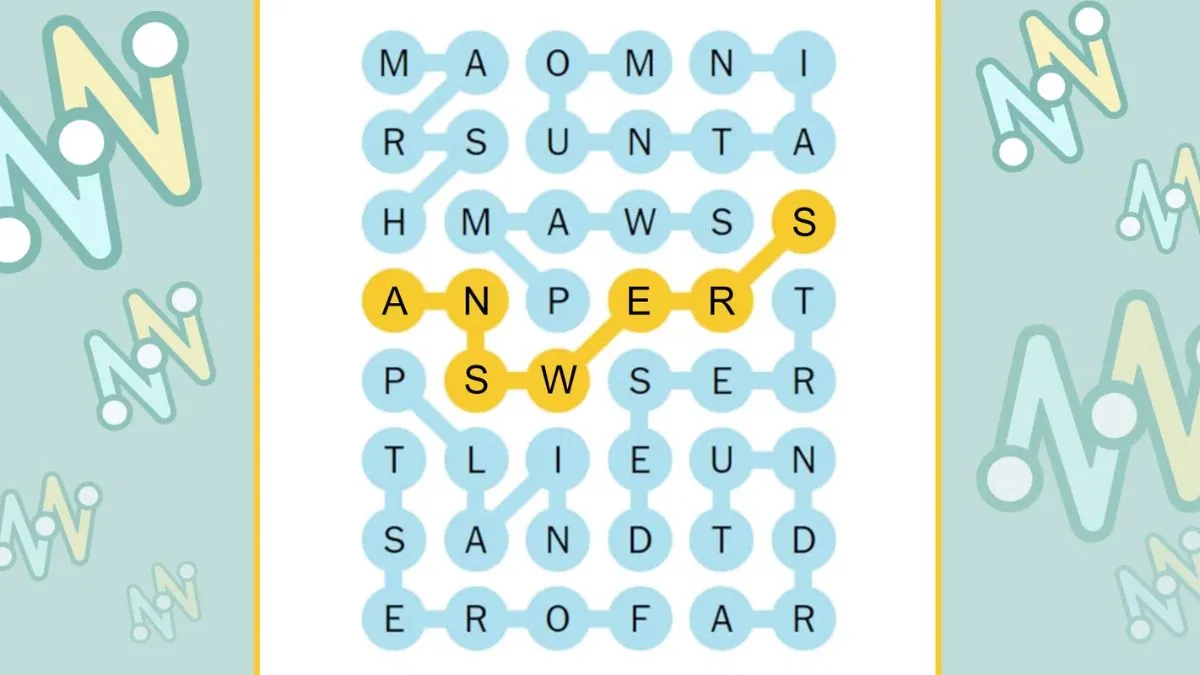
A cryptic clue consists of two separate parts: a literal definition and a wordplay recipe. The trick is figuring out where the definition ends and the recipe begins. For example, a cryptic clue might use anagrams, hidden words, or word reversals to guide you to the answer. If you enjoy deep linguistic engineering, moving into cryptic layouts is the ultimate logical step. Cryptic-style misdirection shows up outside crosswords too — see how it works in these short riddles with answers that are surprisingly hard, where every word is chosen just as carefully.
Conclusion
Learning how to solve crosswords efficiently is an attainable skill that transforms a chaotic jumble of text into a beautiful, logical landscape. By tracking grammatical tenses, hunting for fill-in-the-blank anchors, and recognizing the playful deception behind question marks, you can tackle any daily layout with complete confidence. Remember to be patient with yourself, keep a pencil handy, and treat every puzzle as a fun conversation between you and the constructor.
For an extensive collection of daily word games, interactive brain teasers, and fresh logical challenges to test your mind, head over to riddlepuzzle. Find a fresh grid, start filling in those blanks, and unlock your inner wordsmith tonight.
Frequently Asked Questions
What is the best way to get crossword puzzle help without cheating?
The best way to get help is to look up an undeniable historical fact or an unfamiliar trivia answer. Looking up a specific name or date unlocks the intersecting letters you need to solve the rest of the board using your own mental power.
Why do crossword puzzles get progressively harder throughout the week?
Most major publishers, like the New York Times, follow a strict weekly difficulty ladder. Monday puzzles are the easiest, featuring simple clues and familiar vocabulary. The difficulty steadily ramps up each day, culminating in treacherous wordplay on Saturdays and massive themed layouts on Sundays.
What should I do if I am completely stuck on a grid section?
If you hit a brick wall, erase any answers you are not one hundred percent sure of. A single wrong letter in an intersection can completely block your brain from recognizing the correct crossing words. Alternatively, step away for an hour; fresh eyes notice alternate meanings instantly.
How do you spot an anagram clue in a crossword puzzle?
In standard crosswords, anagrams are rarely used unless indicated by a question mark. However, in cryptic puzzles, constructors use signal words like “broken,” “crazy,” “mixed,” or “scrambled” to tell you that you need to rearrange the letters of a nearby word.