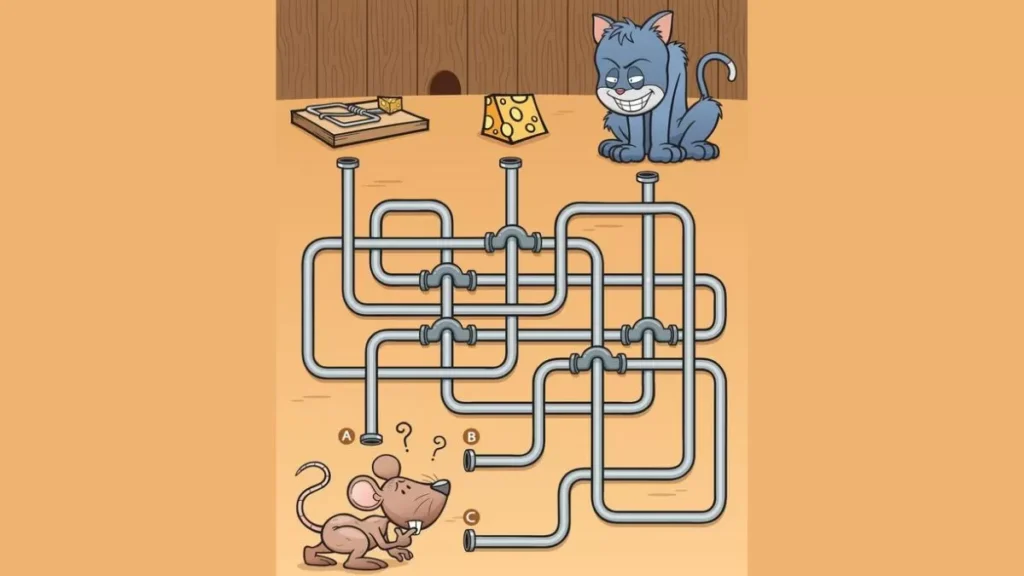
Have you ever handed a child a tangled labyrinth on a piece of paper and watched them instantly tune out the world to solve it? Or perhaps you have found yourself tracing lines down a page trying to unlock a path on a quiet Sunday afternoon. Maze puzzles are some of the oldest, most enduring paper games in human history. They offer an instant mental escape that combines spatial reasoning with the simple thrill of victory.
Solving these winding paths is a fantastic way to sharpen critical thinking, boost concentration, and give your eyes a much needed break from computer screens. In this comprehensive guide, we will explore the wonderful world of labyrinth games, offer excellent layout variations, and provide you with actionable solving strategies.
Whether you are seeking engaging maze puzzles for kids to build fine motor skills or hunting down hard maze puzzles to challenge your own cognitive limits, this ultimate guide will cover everything you need to become a master solver.
Why Maze Puzzles Make Excellent Brain Teasers
Many people view a labyrinth as a simple childhood distraction, but scientific research shows that these maze brain teasers provide significant mental conditioning. When your eyes scan a complex path, your brain actively engages in visuospatial processing and working memory management. If mazes feel like a fun starting point, our collection of easy brain teasers with answers is a great next stop for beginners.
Cognitive Benefits for All Age Groups
-
For Kids: Navigating narrow pathways helps develop precise hand-eye coordination. Additionally, trying to stay inside the lines builds up pencil control, which is essential for early writing skills. Pair maze time with our library of kids riddles with answers for a well-rounded, screen-free brain workout.
-
For Adults: Successfully completing a complex maze challenge triggers a release of dopamine in the brain. As a result, this helps reduce stress levels, lower heart rates, and provide a mindful sense of calm after a hectic day.
-
For Seniors: Exercising your mind with challenging visual pathways keeps neural connections sharp. Consequently, working on these designs regularly can help maintain executive functioning skills over time.
Exploring Different Styles of Maze Games
Not all labyrinths are built the same way. In fact, modern puzzle creators use a variety of geometric shapes and structural algorithms to keep the gameplay fresh and exciting.
Common Labyrinth Formats
| Maze Type | Primary Audience | Key Structural Characteristic |
| Standard Block Grid | Beginners and Kids | Square boundaries with straightforward paths and distinct ninety-degree turns. |
| Circular / Radial | Intermediate Solvers | Concentric rings that force your eyes to move outward and inward simultaneously. |
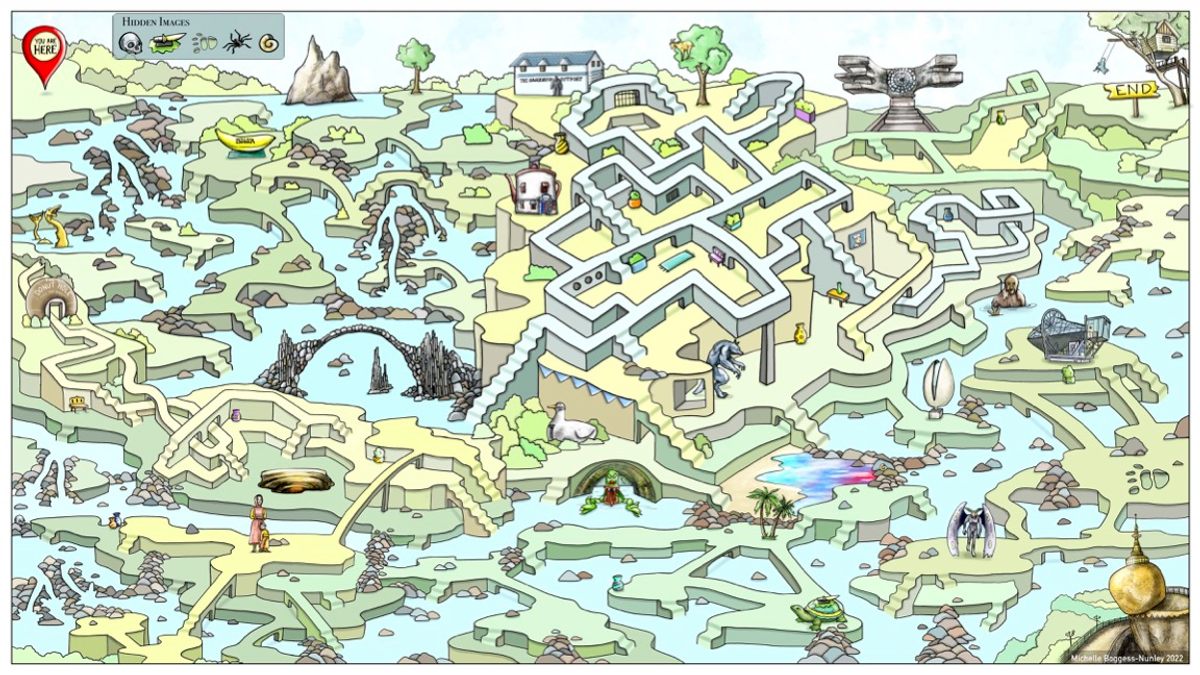
| 3D / Overlay | Advanced Adults | Paths that cross over or dive under each other using bridges and tunnels. |
| Illustrative Shapes | Young Children | The entire border of the puzzle is shaped like an animal, castle, or rocket ship. |
If you enjoy the visual-scanning challenge of a maze, you’ll also love our roundup of visual puzzles with answers, packed with optical tricks and hidden-object challenges.
The Math Behind the Magic
While you do not need to understand mathematics to solve these sheets, the creation of modern layouts relies heavily on graph theory. Designers use complex computer algorithms to map out paths. For example, some generators use a depth-first search approach, which carves out long, winding paths with fewer intersections.
Other creators prefer a randomized approach, which results in a highly chaotic grid packed with short, deceptive branches. Understanding that a computer program specifically calculated these traps to exploit human visual blind spots makes beating them feel even more rewarding.
Finding and Using Printable Maze Puzzles
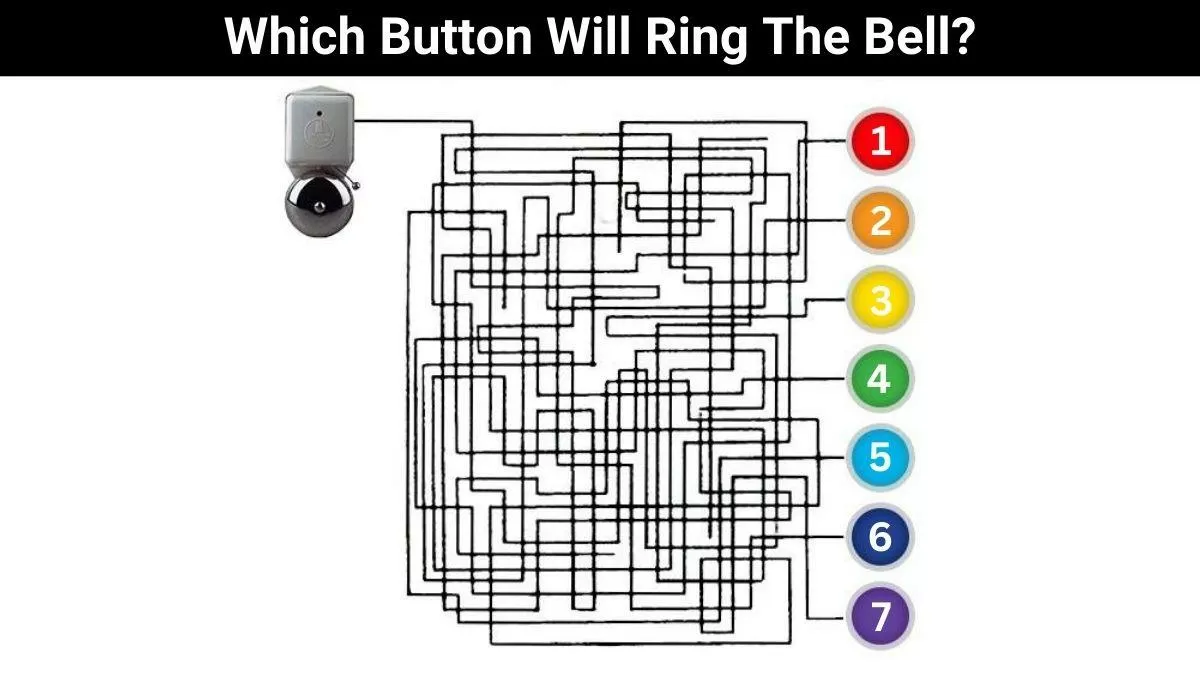
One of the best aspects of this hobby is how accessible it is to everyone. You do not need to buy expensive books to enjoy high-quality challenges. Instead, you can find excellent printable maze puzzles online that you can download and print directly from your home computer.
The Power of Physical Worksheets
In an increasingly digital world, interacting with physical maze puzzle worksheets offers a unique tactile experience that digital versions simply cannot match. Holding a pencil, physically erasing a wrong turn, and tracing your way through dead ends helps cement the spatial concepts inside your head.
Furthermore, teachers frequently use printable mazes free of charge from educational blogs to keep students quiet and focused after finishing their tests early. They serve as ideal classroom rewards because they feel like games while quietly reinforcing problem-solving perseverance.
Step-by-Step Strategy: How to Conquer Hard Maze Puzzles
When you move past entry level sheets and start tackling maze puzzles for adults, the paths become highly deceptive. Creators design these layouts specifically to trick your eyes into following false trails. Therefore, using a systematic approach is essential.
Step 1: Analyze the Entire Grid First
Before your pencil ever touches the paper, take ten seconds to scan the overall layout. Look for major blockages, open courtyard spaces, or areas where the pathways look noticeably thinner. Recognizing the general flow saves you from making obvious errors early on.
Step 2: Work Backward From the Finish Line
This is one of the most effective maze games tricks in existence. Most puzzle designers construct their traps to fool people starting from the entrance. By placing your pencil at the exit and working your way toward the start, you can easily spot dead ends before you get trapped inside them.
Step 3: Use the Famous Wall-Follower Rule
If you ever find yourself completely lost inside a massive, chaotic layout, utilize the rule of the wall. Imagine placing your right hand firmly on the right-hand wall of the path and never lifting it. If you follow that continuous wall line without stopping, the logic of the topology ensures you will eventually find your way out.
Step 4: Lightly Sketch Your Path First
Never press down hard with your pencil when exploring an unfamiliar track. Instead, draw a faint, light line through your chosen path. If you hit an unexpected dead end, you can easily clean up the mistake without leaving messy dark marks all over your sheet.
Playing Maze Puzzles Online vs. Paper Formats
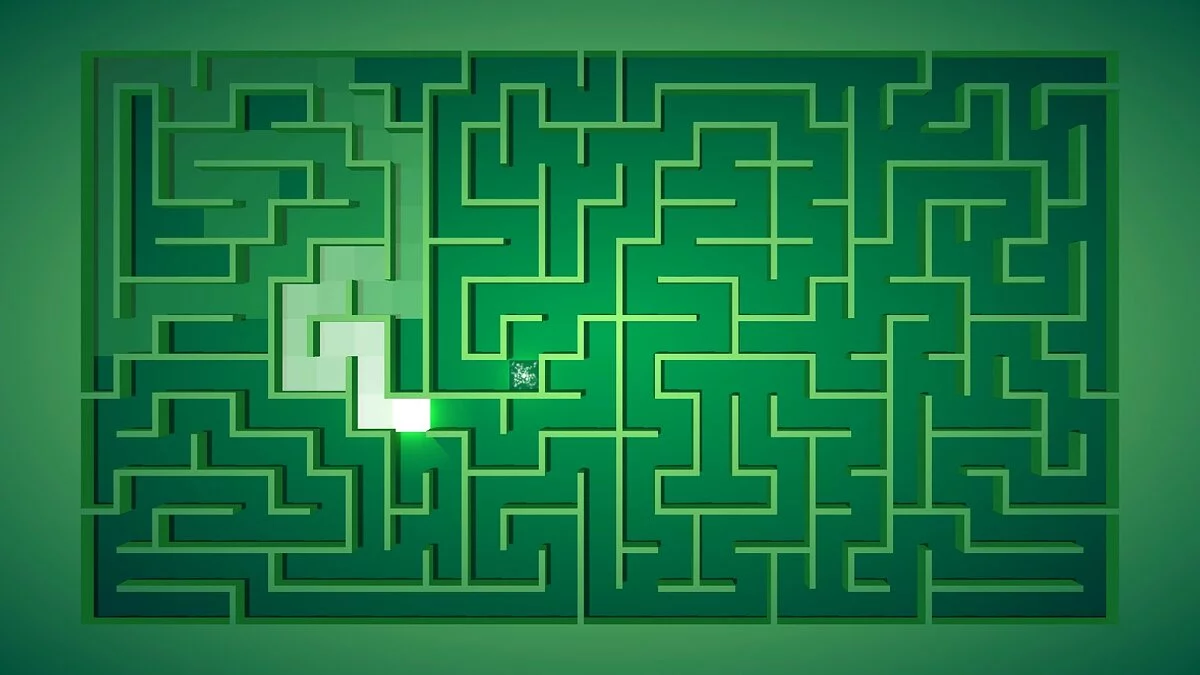
While paper remains incredibly popular, playing maze puzzles online on a tablet or cheesecake device has become a highly popular alternative for commuters. Let us look at how these formats compare.
Choosing Your Preferred Canvas
If you enjoy a tactile, screen-free experience where you can physically archive your victories, physical worksheets are your best option. However, if you are traveling light or want access to an infinite supply of fresh layouts without using up printer ink, digital apps provide fantastic convenience. Many online variations even include features like digital timers and global leaderboards to add an extra layer of competitive fun.
Creative DIY Ideas: Build Your Own Mazes
Once you have mastered the art of solving, the next logical step is to try your hand at creating. Designing your own sheet requires you to step into the shoes of the puzzle master, giving you a deeper appreciation for how spatial traps operate. For another hands-on activity that builds similar problem-solving muscles, try our rebus puzzles for kids perfect for classroom or car-ride fun.
How to Create a Paper Layout
-
Draw the Boundaries: Start by sketching a simple outer shape, such as a large square or rectangle, using a dark black marker on a clean sheet of paper. Mark clear “Start” and “Finish” openings along the edges.
-
Lay Down the Correct Path: Use a light pencil to draw a continuous, winding line from the entrance to the exit. This guarantees that your creation will actually have a valid solution.
-
Add the Deceptive Branches: Branch off from your main path to create dead ends. Make some of these dead ends incredibly long and elaborate to fool experienced solvers.
-
Ink the Walls: Trace over all your path walls with a dark pen or marker, taking care to leave the correct corridors completely open. Erase any leftover pencil guidelines before handing it to a friend.
Conclusion
From simple animal shapes for toddlers to mind-bending geometric structures for adults, maze puzzles remain an elite option for anyone looking to boost their brainpower. Engaging with a regular maze challenge helps build spatial logic, reinforces patience, and offers a wonderful sense of rewarding satisfaction when you finally break free from the trap.
For a massive library of downloadable puzzles, interactive brain games, and fresh challenges to keep your mind sharp every single day, explore riddlepuzzle Grab your favorite pen or pencil, download a new layout, and start training your brain today.
Frequently Asked Questions
Where can I find high-quality printable mazes free?
Many dedicated puzzle resource websites and educational blogs offer a wide selection of free downloadable options. You can easily save these files as PDFs and print them out whenever you need a quick mental distraction.
What makes a layout qualify as a hard maze puzzle?
Advanced difficulty is achieved by packing a high density of pathways into a small area, creating long winding dead ends that mimic the correct path, and removing large open visual spaces that allow for easy scanning.
Are these challenges helpful for children with attention difficulties?
Yes, they are highly recommended by educational specialists. Because these sheets provide a clear visual goal and an immediate reward loop, they help children practice sustained attention in a low-stress environment.
What is the structural difference between a maze and a labyrinth?
Strictly speaking, a maze is a branching puzzle that features choice points, intersections, and deceptive dead ends. On the other hand, a traditional labyrinth is unicursal, meaning it features a single winding path that leads to the center without any branches.