
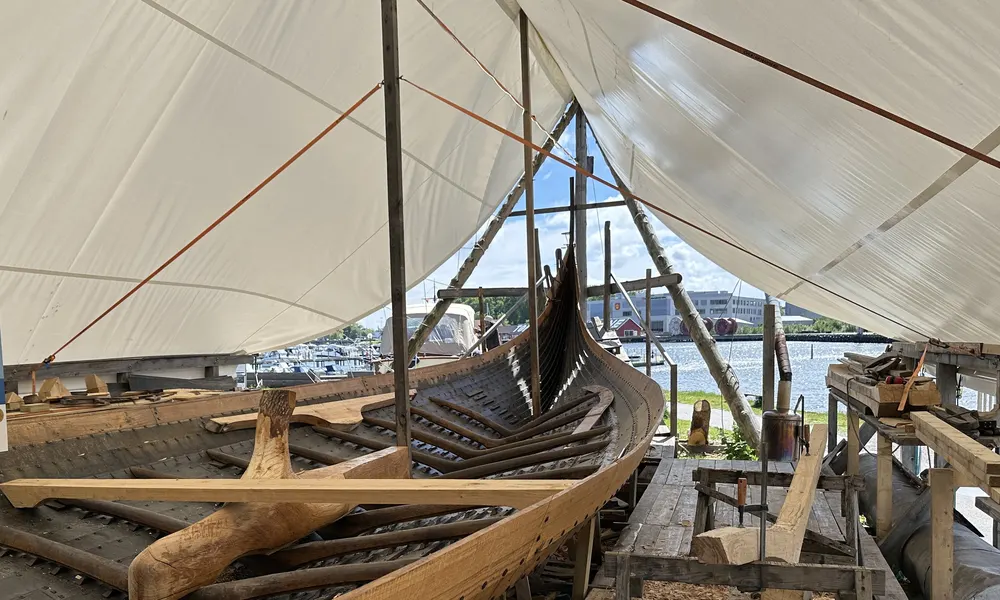
A wooden boat begins as a pile of timber, a pencil and a plan. Planks, ribs, a keel and a rudder all have a place, and every place can be turned into a puzzle round that 577 players can share without crowding each other. That is the charm of a boatbuilder day. The work is plain, the timber is honest, and the puzzles come from counting, measuring, fitting and matching pieces that anyone can see and hold.
This guide sets out nine rounds in an old village boatbuilder workshop. Each round uses one part of a boat and one clear task. Players work in small groups at separate worktops, and each group moves on after a short call from the host. Nobody waits long, nobody needs special skill, and every round ends with a number that can be checked in front of the group. The day suits a large hall, a waterside yard, or a workshop with room for timber to be laid out in piles.
The nine rounds below were built to be fair at scale. The pieces are large enough to see from a few paces away, the rules fit on a single page, and the scoring is done with plain tallies that any group can keep. What follows is the full plan, from the first welcome to the last round.
Key takeaways
- Nine boatbuilder rounds give 577 players a full day of puzzle play with no waiting around.
- Every round uses one boat part and one clear task, so the rules fit on a single page.
- Groups of eight work at separate worktops and move on at a short call from the host.
- Scoring uses plain tallies, and every result is checked in front of the group.
- Ordinary timber, a measuring rod, a scale and a keen eye are all the kit the day needs.

How 577 Players Fit Into One Day
The day works because the players are split into 72 groups, and each group has its own worktop. Seventy-one groups hold eight players and one group holds nine, which adds up to 577 players in all. Nine rounds run at the same time, with eight groups at each round, and the groups move on together when the host calls time. A round lasts twelve minutes, with three minutes to move and reset, so the full circuit takes a little over two hours. After a break for lunch, the groups run the circuit again in reverse order, which gives every player another chance at each round with fresh timber.
Each worktop holds the pieces for one round, the written rules, a tally sheet and a pencil. The host walks the hall with a gong and a stopwatch, and two helpers carry spare pieces and fresh tally sheets. Groups that finish early use the spare minutes to tidy their worktop and check their tally, which keeps the hall calm and the next round ready to start on time. The plan needs no screens, no power and no printed booklets beyond the written rules. The sieve-maker day in our puzzle games for 570 players runs the same kind of worktop rotation, and it shows how a workshop theme can carry nine rounds without fuss.
Fairness comes from sameness. Every group at a round gets the same pile of timber, the same tools and the same time. The host reads the rules aloud at the first round and then lets the written page do the work. When a result is disputed, the group counts again in front of a helper, and the second count stands. That simple habit keeps arguments short and keeps the day moving.
The Nine Rounds
Each round below takes one boat part and turns it into a puzzle. The parts follow the order of a real build, from planks to paint, so players learn how a boat comes together as they play. The sundial-maker day in our puzzle games for 571 players shows the same idea at work, with one workshop part carrying a whole round from start to finish. Read each round, gather its pieces, and lay them out before the players arrive.
1. Boat Plank Count Race
Planks are the long flat lengths that form the sides of a boat, and counting them sounds easy until the pile is mixed. Each group gets a heap of planks in three lengths, with a few short offcuts hidden among them. The task is to count how many full planks of each length are in the heap, and to write the three numbers on the tally sheet before time runs out.
The trick is method. Groups that count in piles of ten finish faster and make fewer slips than groups that count one by one from the top. The host checks the three numbers against a sealed answer, and a group scores for each number that is right. Ten points are awarded to the group with all three numbers right and the neatest piles at the end.
2. Boat Rib Fit Race
Ribs are the curved timbers that give a boat its shape, and each rib fits one place in the hull. Each group gets a rack of loose ribs and a half-built hull frame with nine empty slots. The task is to try each rib in turn and fit the right rib into each slot, so the curve of the rib follows the curve of the frame.
A rib that looks right can still sit proud of the frame, so players learn to run a finger along each joint and feel for a step. The fastest groups work from the middle of the hull outward, because the middle ribs are the widest and the easiest to place. Ten points are awarded to the group with the most ribs fitted flush, with ties broken by the neatest finish.
3. Boat Keel Measure Race
The keel is the long timber that runs along the bottom of a boat, and it must be straight and true. Each group gets a keel timber laid on trestles, with a measuring rod, a pencil and a page of target lengths. The task is to measure the keel at five places along its length and to note each measurement on the tally sheet.
The keel is not the same thickness from end to end, so players must measure at the pencil marks the host has made, not wherever looks easy. Groups that measure twice and agree before writing score better than groups that rush. Ten points are awarded to the group whose five measurements come closest to the sealed answers, with one point lost for every small error.
4. Boat Stem Match Race
The stem is the upright timber at the front of a boat, where the planks meet and curve upward. Each group gets a heap of stem pieces in pale and dark timber, with some pieces cut to the same curve and some cut a little differently. The task is to sort the pieces into matching duos of the same curve and the same timber, and to lay each duo side by side on the worktop.
Two pieces can look alike at a glance and still differ by a finger width, so players hold each duo up together and sight along the edge. The host checks the duos one by one, and a duo scores only when both the curve and the timber agree. Ten points are awarded to the group with the most true duos, and a wrong duo costs a point.
5. Boat Rudder Fit Race
The rudder is the flat blade at the back of a boat that steers it, and it hangs on the stern post on two pegs. Each group gets a rudder blade, a stern post and a heap of wooden pegs in three sizes. The task is to pick the pegs that fit the rudder holes snugly, tap them home with a mallet, and hang the rudder so it swings freely.
A peg that is too slim will wobble, and a peg that is too thick will not slide in at all, so players test each peg in the hole before they reach for the mallet. The rudder must swing from side to side without catching on the post. Ten points are awarded to the group whose rudder swings the smoothest, as judged by the host, with a point lost for each peg that has to be taken out and tried again.
6. Boat Transom Count Race
The transom is the flat timber across the back of a boat, and it is made from upright boards held together by cross pieces. Each group gets a heap of short boards in two shades of timber, with a few boards of the wrong length mixed in. The task is to count how many boards of the right length are in the heap, and to lay them in a neat pile on the worktop.
Boards of the wrong length are easy to miss when the heap is deep, so players spread the heap out flat and work across it in rows. The host checks the count and the pile, and a group scores only when the number is right and the pile is tidy. Ten points are awarded to the group with the right count in the shortest time, with the tidy pile breaking any tie.
7. Boat Oar Length Race
Oars must be the same length in each rowing duo, or the boat will pull to one side. Each group gets a rack of oars of many lengths, a measuring rod and a pencil. The task is to find the longest run of oars that all share one length, and to lay them side by side on the worktop before time runs out.
The rack holds a few oars that are close to the common length but a finger width short, so players measure every oar they pick up and put the near misses to one side. Groups that measure the rack in order from left to right miss fewer oars than groups that grab at random. Ten points are awarded to the group with the longest true run, with ties broken by the neatest row.
8. Boat Caulk Check Race
Caulk is the soft fibre pressed into the seams between planks to keep water out, and a loose seam will let a boat leak. Each group gets a short length of planking with nine seams, some pressed tight and some left loose. The task is to press each seam with a fingertip, note which seams are loose, and write the numbers of the loose seams on the tally sheet.
A loose seam gives a little under the fingertip, while a tight seam stays firm, so players press slowly and test each seam twice. The host checks the numbers against a sealed answer, and a group scores for each loose seam found and loses a point for each tight seam wrongly named. Ten points are awarded to the group with the most seams right.
9. Boat Paint Coat Race
The last round is paint, and a good coat needs an even touch. Each group gets a plank, a jar of paint, a rag and a page showing three bands of colour. The task is to paint the three bands on the plank in the right order, with each band the same breadth, and to leave no bare timber showing between them.
Players who wipe the rag across the plank in long strokes get a smoother coat than players who dab at it in patches. The host looks at each plank in plain daylight and scores it for even colour, straight edges and full cover. Ten points are awarded to the group with the cleanest plank, and the painted planks stay on show for the rest of the day.
Round Times and Points
Every round runs for twelve minutes, with three minutes to move and reset. Each group earns points at every round, and the group with the most points across the whole day takes the prize. The table below is the plan the host pins up at the start of the day.
| Round | Boat part | Task | Minutes | Top points |
|---|---|---|---|---|
| 1. Boat Plank Count Race | Planks | Count full planks of each length | 12 | 10 |
| 2. Boat Rib Fit Race | Ribs | Fit each rib into its slot | 12 | 10 |
| 3. Boat Keel Measure Race | Keel | Measure the keel at five places | 12 | 10 |
| 4. Boat Stem Match Race | Stem | Sort stem pieces into matching duos | 12 | 10 |
| 5. Boat Rudder Fit Race | Rudder | Fit pegs and hang the rudder | 12 | 10 |
| 6. Boat Transom Count Race | Transom | Count boards of the right length | 12 | 10 |
| 7. Boat Oar Length Race | Oars | Find the longest run of one length | 12 | 10 |
| 8. Boat Caulk Check Race | Seams | Find the loose seams by touch | 12 | 10 |
| 9. Boat Paint Coat Race | Plank | Paint three even bands of colour | 12 | 10 |
Your Boatbuilder Day Checklist
Run through this list the day before the players arrive, and the day itself will take care of itself.
- Book a hall or waterside yard with room for nine worktops, a pile of timber at each one, and space for groups to move between rounds.
- Cut and label one timber pile per round, with a sealed answer page for the host at every round that needs one.
- Print the rules pages and tally sheets, and lay a pencil, a measuring rod and a scale at each worktop.
- Fix the rotation order where every group can see it, and agree the gong calls that start and end each round.
- Brief two helpers on checking results and keeping tallies, so no group waits for a ruling.
- Lay out paint jars, rags, pegs and mallets last, and keep spare pieces close by for anything that breaks.
Questions Players Ask
How long does a boatbuilder day take for 577 players?
The full circuit takes a little over two hours, with nine rounds of twelve minutes and three minutes to move between rounds. Most hosts run the circuit twice, once before lunch and once after in reverse order, which makes a full day of about five hours with breaks.
What kit does each worktop need?
Each worktop needs the pieces for its round, a written rules page, a tally sheet and a pencil. Most rounds also need a measuring rod or a scale, and the rudder round needs a mallet and pegs, while the paint round needs jars of paint and rags.
Can players with no woodwork experience join in?
Yes, and they often do well. Every round is a counting, measuring or matching puzzle, not a test of woodwork skill. The rules fit on a single page, and the host reads them aloud at the first round so nobody starts unsure.
How are the tallies kept fair?
Every group at a round gets the same pieces, the same tools and the same time, and every result is checked in front of the group. When a count is disputed, the group counts again with a helper watching, and the second count stands.
What happens if a group finishes a round early?
The group uses the spare minutes to tidy its worktop and check its tally, which keeps the hall calm and the next round ready to start on time. No group moves on early, so every group gets the same twelve minutes at every round.
Can the day run outdoors?
Yes, if the yard has cover for the worktops and the paint round, and the timber stays dry. A waterside yard suits the theme, but a hall is safer when the day turns wet, and the rounds play the same either way.
The Bottom Line
A boatbuilder day works for 577 players because it is built from plain parts and plain rules. Nine rounds, nine boat parts, one clear task each, and a tally that anyone can keep. Players leave with paint on their fingers, a prize for the top group, and a fair sense of how a boat comes together, plank by plank.
If you run only one round to test the idea, run the rib fit, because it shows the whole day in miniature: look, feel, try, and fit. Then bring the rest of the rounds in, and let the hall fill with the sound of timber and talk. The market-cross day in our puzzle games for 575 players ends the same way, with a full hall, a fair tally and a day well spent.


