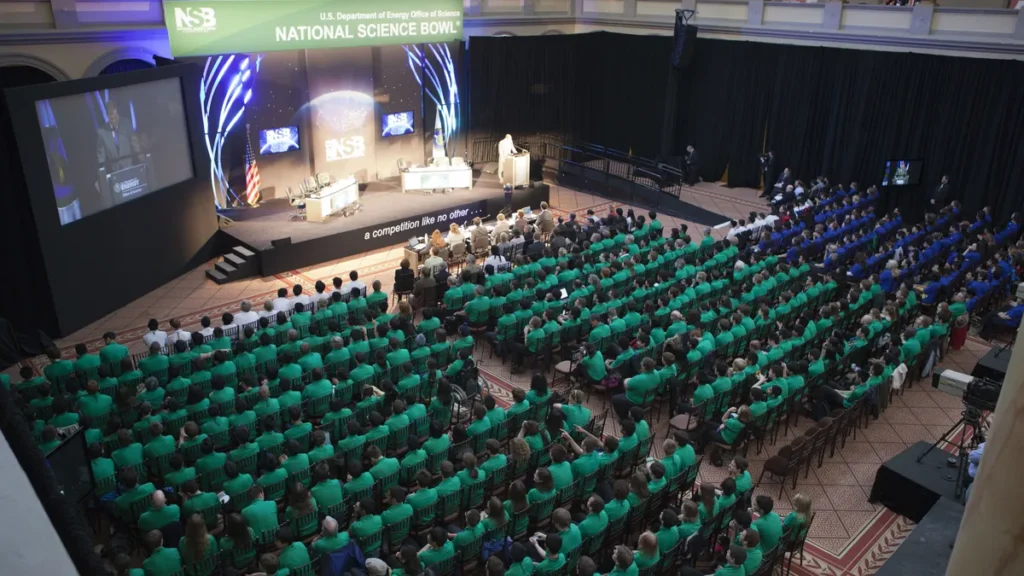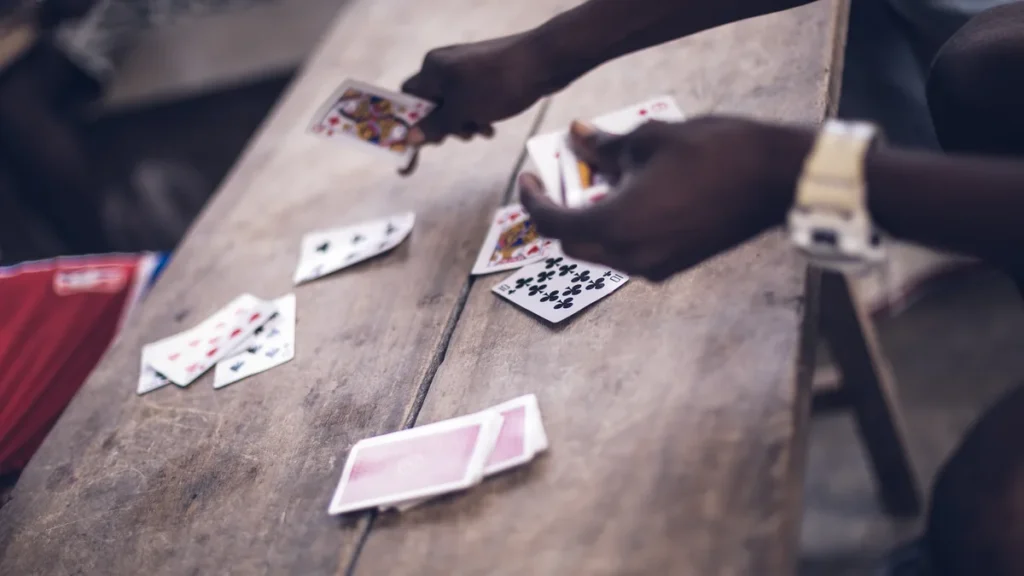
Planning card games for 372 players sounds impossible until you change the picture in your head. Nobody expects 372 people to sit around one table, share one deck, and wait their turn. Card games for 372 players work when you treat the number as a range, from 3 to 372, and build the event around many small tables, teams, and short rounds instead of one giant game. The cards stay the same. The structure around them is what scales.
This playbook shows you exactly how to do it. You will learn which card games suit huge groups, how to set up stations that keep everyone playing at the same time, how many decks and hosts you need, and how to run a simple tournament that ends with a clear winner while nobody sits idle for long. Every idea here has been chosen because it works with ordinary playing cards, simple rules, and players of mixed ages and experience.
Whether you are organising a school festival, a company social, a community hall night, or a family reunion that somehow grew to hundreds of guests, the method is the same. Start small, copy what works across many tables, and let the best players and teams rise through short, fair rounds. By the end of this guide you will have a complete plan you can run with confidence, even if you have never organised anything this large before.
Key Takeaways
- Card games for 372 players mean a 3-to-372 range: run many small tables at once, not one giant table.
- Stations, teams, and short tournament rounds are the three scaling methods that keep everyone playing.
- Pick fast, simple games with clear winners, and teach each one in under two minutes.
- Plan one deck per table, one host per six tables, and a visible scoreboard everyone can see.
- Rotate players between stations so nobody is stuck at a slow table all night.

How Card Games for 372 Players Actually Work
The first thing to accept is that no single card game is designed for 372 people at once. Even the largest party card games top out at ten or twenty players before turns become painfully slow and most people stop paying attention. That is not a flaw in the games. It is a fact about attention, table space, and the simple maths of taking turns. A game that gives each player thirty seconds per turn takes more than three hours to complete a single round with 372 players, and nobody enjoys that.
Think of it like a sports day rather than a single match. Nobody expects 372 runners to race on one track at the same time. They run in heats, and the fastest move on to the next round. Card games work the same way. Each table plays a short round, winners move up or earn points for their team, and the evening builds toward a final that everyone can watch. That structure is what makes the number 372 exciting instead of frightening, and it is the same approach used in the best card games for 370 players, where the crowd is almost as large and the same station method keeps the night moving.
The Station Model
Stations are the simplest way to scale. You set up a row of tables, and each table plays a different game. Players move from station to station every fifteen or twenty minutes, trying something new at each stop. A station might host a fast game of Snap for younger players, a table of Rummy for steady thinkers, and a lively round of Cheat for the loudest group in the room. Because the games are short, nobody has to learn complicated rules before they can join in, and a player who dislikes one game is only minutes away from a better one.
The Team Model
Teams turn a huge crowd into a friendly rivalry. Divide your 372 players into teams of six, twelve, or thirty-one, give each team a name and a colour, and let team members spread across different tables. Each player earns points for their team, and the team total decides the winner. This works brilliantly for schools and workplaces because it gives quiet players a reason to cheer for teammates they may never have met, and it keeps the energy high even at tables where the game itself is calm.
The Tournament Model
A tournament adds a clear ending to the evening. After two or three casual rounds, the top players from each table move on to the next stage, and the field narrows until a final table decides the champion. You do not need a complicated bracket. A simple ladder works: winners move up one table, everyone else stays or moves down, and after four rounds the top table holds your finalists. Players understand this at once because it feels like the knockout rounds of a sports competition.
Comparing Card Games for Huge Groups
Not every card game scales equally well. The best choices share three qualities: they are quick to teach, they finish a round in under fifteen minutes, and they still feel fair when strangers sit down together. The table below compares twelve reliable options so you can match each game to the right station, team, or tournament slot. Use it as your shopping list when you plan the night, and remember that you do not need all twelve. Four or five well-chosen games are plenty for most events.
| Game | Players per table | Round length | Best for | Learning time |
|---|---|---|---|---|
| Speed | 2 | 5 minutes | Quick duels between rounds | 1 minute |
| Snap | 2 to 6 | 10 minutes | Young players and loud tables | 1 minute |
| Cheat | 3 to 8 | 15 minutes | Bluffing and laughter | 2 minutes |
| Go Fish | 3 to 6 | 10 minutes | Children and first-time players | 1 minute |
| Rummy | 2 to 6 | 20 minutes | Steady, thoughtful play | 3 minutes |
| Sevens | 3 to 8 | 15 minutes | Large tables with mixed ages | 2 minutes |
| President | 4 to 8 | 15 minutes | Tournaments and rankings | 2 minutes |
| Spoons | 4 to 8 | 10 minutes | High-energy stations | 1 minute |
| War | 2 | 10 minutes | Simple head-to-head matches | 1 minute |
| Crazy Eights | 2 to 7 | 15 minutes | Families and mixed groups | 2 minutes |
| Slapjack | 2 to 8 | 10 minutes | Fast reactions and noise | 1 minute |
| Old Maid | 2 to 8 | 10 minutes | Younger children | 1 minute |
Six Card Games That Scale From 3 to 372 Players
Here is the heart of the playbook: six games that work beautifully at a single table and scale cleanly to hundreds of players, drawn from the twelve compared in the table above. Each one uses a standard deck, needs no special equipment beyond cards and a table, and can be taught to strangers in minutes. Pick the ones that suit your crowd. A strong event usually needs four or five games, chosen so that every age group and energy level has somewhere to belong.
1. Speed
Speed is a two-player race to get rid of your cards first, and it is perfect as a filler between tournament rounds. Two players sit opposite each other, flip cards as fast as they can, and the first to empty their hand wins. A match takes about five minutes, which makes it ideal for a side station where waiting players can jump in for a quick duel. It needs sharp eyes and quick hands, and it is one of the few card games that feels like a sport.
2. Cheat
Cheat, also called Bluff, is a game of lying with a straight face. Players take turns placing cards face down and claiming they are a certain rank, and anyone can call out a lie. Get caught and you pick up the pile; get away with it and you are one step closer to emptying your hand. It works best with five to eight players and always produces laughter, which makes it a natural choice for the liveliest station in the room. The rules are simple enough for a ten-year-old, but the bluffing keeps adults engaged too.
3. Rummy
Rummy rewards patience and planning. Players draw and discard cards to build sets and runs, and the first to lay down a complete hand wins the round. It takes a little longer than the other games here, around twenty minutes, so give it a dedicated table rather than a rotating station. Rummy suits players who enjoy thinking ahead, and it is a good home for the quiet competitors who prefer a calm table to a noisy one.
4. President
President is the natural tournament game. Players race to shed their cards, and the finishing order decides the ranks for the next round: the winner becomes President, the runner-up Vice President, and the last player becomes the Scum with a small handicap. That built-in ranking system is exactly what a big event needs, because it turns every round into a step toward the final. Run President at your main tournament tables, and the standings will almost look after themselves. For a smaller crowd the same ranking idea works in the card games for 368 players guide, which uses the same ladder format with slightly fewer tables.
5. Spoons
Spoons is chaos in the best sense. Players pass cards around the table, trying to collect four of a kind, and when someone does, everyone grabs for a spoon in the middle. There is always one fewer spoon than players, so someone is left empty-handed every round. It is fast, physical, and very funny, but it needs space and a host who can keep the grabbing safe. Use plastic spoons, clear the table edges, and keep this station away from the quiet games.
6. Crazy Eights
Crazy Eights is the family favourite that most people already half remember. Players match the card on top of the discard pile by rank or suit, and eights are wild, so they can be played at any time. The first player to shed their whole hand wins. It is easy to teach, works with two to seven players, and has just enough choice to keep adults interested. If your crowd includes many families, Crazy Eights should be one of your first stations.
Setting Up Stations for 372 Players
Tables, Space, and Flow
Plan for 62 tables of six players, or adjust to the tables you actually have. A mix of six-player and eight-player tables works fine, as long as you count the seats and match them to your guest list. Leave a clear walkway of at least a metre between tables so players can rotate without squeezing past seated games. Put the loud games, like Spoons and Snap, at one end of the room, and the quiet games, like Rummy, at the other, so the noise does not drown out the thinking tables.
Decks, Supplies, and Spares
Count one deck per table, plus a spare deck for every four tables. That means about 80 decks for 62 tables, which sounds like a lot until you remember that cards get bent, lost, and spilled on. Buy identical decks so that a card from one table can never be recognised at another, and keep the spares at a central supplies table rather than handing them all out at the start. Add score sheets, pens, a timer for each host, and a whistle or bell for rotation time.
Hosts and Helpers
One host per station is ideal, and one roaming helper for every six tables keeps the whole room covered. Hosts teach the game, keep score, settle small disputes, and call time at the end of each round. Choose hosts who are friendly and clear rather than expert players; the best host is the one who can explain a game in one minute and make a nervous beginner feel welcome. Brief every host before the doors open, give each one a printed sheet with the rules and the rotation times, and make sure they know where to find help.
Keeping a Huge Card Night Fair and Fun
Fairness is what keeps 372 people happy. The moment players feel that a table was rigged, a score was wrong, or a host played favourites, the mood of the whole room dips. Keep the rules visible, keep the scoring simple, and make sure every table plays by the same rules. Print the rules for each game on a card at the table, and ask hosts to read the three key rules aloud before the first hand. When everyone hears the same words, nobody can claim they did not know.
Fun needs variety and rest. A three-hour event with no break will tire even the keenest players, so build in a fifteen-minute pause halfway through for drinks, snacks, and stretching. Use the break to announce the team standings, hand out a small prize for the best team name, and let players visit stations they have not tried yet. A short pause makes the second half feel fresh, and it gives hosts a chance to rest their voices. If your crowd includes families, a shared break also gives parents time to check on younger players, which is why the same rhythm works in the party games for 370 players format, where mixed-age groups need regular pauses to stay cheerful.
Your Pre-Game Checklist
- Count your seats and confirm you have at least 372 places across your tables before you invite anyone.
- Buy one deck per table plus spares, and check that every deck is complete before the doors open.
- Print a rules card and a station sign for every game, and brief each host on their game and rotation times.
- Prepare team lists, wristbands, score sheets, pens, timers, and a visible scoreboard for the room.
- Plan the rotation schedule with moving time included, and decide the final table and prizes in advance.
- Walk the room as a player before the event starts, and fix anything confusing, cramped, or hard to find.
Frequently Asked Questions
Can 372 people really play card games at the same time?
Yes, when they play at many small tables at once. With 62 tables of six players, every person is playing at the same moment, and the stations, teams, and tournament rounds connect the tables into one event. No single table holds more than eight players, which keeps every game fast and fair.
How many decks do I need for 372 players?
Plan one deck per table plus a spare for every four tables, which is about 80 decks for 62 tables. Identical decks are best, because a card from one table cannot be recognised at another. Keep the spares at a central table so hosts can replace a damaged deck in seconds.
What is the best card game for a huge group?
President is the best choice for a tournament, because its built-in ranking system turns every round into a step toward the final. For casual stations, Cheat and Spoons create the most laughter, while Go Fish and Sevens are the kindest choices for beginners and mixed-age tables. Most events run four or five games rather than one, so every player finds a table that suits them.
How long should a card night for 372 players last?
Three hours works well, with two or three rounds of fifteen to twenty minutes, a fifteen-minute break in the middle, and a final table that lasts about thirty minutes. Shorter events feel rushed for a crowd this large, and longer events tire younger players and volunteers. Announce the schedule at the start so everyone knows when the final begins.
Do I need experienced players to host the tables?
No. Hosts need to be friendly, clear, and organised, not expert players. A host who can explain a game in one minute and make a beginner feel welcome is far more valuable than a champion player who cannot explain the rules. Give every host a printed rules sheet and a short briefing before the doors open.
What if some players have never played cards before?
Start them at the welcome station with Go Fish or War, where the rules take one minute to learn and nobody can make an embarrassing mistake. Pair each beginner with a friendly host for the first round, and let them move to a harder table when they feel ready. Most beginners are playing confidently within twenty minutes, and many of them become the most enthusiastic players in the room.
Bottom Line
Card games for 372 players are not about finding one magical game for a giant table. They are about building a simple structure, many small tables, clear stations, friendly teams, and short tournament rounds, that lets hundreds of people play the same familiar games at the same time. Pick four or five fast games from this playbook, set up your tables with care, brief your hosts, and give the evening a clear ending with a final table worth watching. Do that, and 372 players will not feel like a crowd to manage. They will feel like a room full of people having a very good night together.