Some riddles instantly capture attention, pulling people into a loop of curiosity and problem-solving with their clever wording and satisfying answers. This post highlights the most searched riddles on Google, explaining why they go viral and what makes them so engaging across all ages. From classic brain teasers to trending puzzles, these riddles combine simplicity, surprise, and shareability to create that irresistible “aha” moment.
Some questions stop you mid-scroll. You read them once, pause, read them again, and suddenly you’re ten minutes deep trying to figure out the answer. That’s the power of a great riddle. The most searched riddles on Google aren’t just fun — they’re genuinely tricky, cleverly worded, and oddly satisfying once you crack them. In this post, we’ve compiled the biggest, most popular riddles people are searching for right now, complete with answers and explanations. Whether you’re here to test yourself, stump your friends, or just kill some time, you’re in the right place.
Why Do People Search for Riddles So Much?
Riddles tap into something deeply human — the desire to solve, to figure things out, to feel clever. They’re also incredibly shareable. A great riddle spreads through group chats, classrooms, and social feeds because everyone wants to test someone else with it.
Based on available search data, riddle-related queries spike consistently on Google, especially terms like “what has hands but can’t clap” or “I speak without a mouth.” These aren’t just casual searches — people are genuinely hooked and want the answer fast.
Viral brain teasers and trending puzzles also get enormous traction on platforms like TikTok and Instagram, which then drives search volume as people look for the written version or the official answer.
Google’s Most Searched Riddles — With Full Answers
Here are the riddles people search for most, ranked by popularity and search interest. Try each one before scrolling to the answer.
1. “I have hands but I can’t clap. What am I?”
This is consistently one of the most searched riddles on Google. Simple wording, instantly puzzling.
Answer: A clock.
A clock has hands — the hour hand and minute hand — but obviously cannot clap. The riddle works because “hands” triggers the human body association before the object one.
Why it works: It exploits a double meaning. The word “hands” is doing all the heavy lifting.
2. “I speak without a mouth and hear without ears. I have no body but I come alive with the wind. What am I?”
One of the most poetic viral brain teasers circulating online. It sounds almost philosophical.
Answer: An echo.
An echo “speaks” — it repeats sound. It “hears” — it only exists because sound was made. It has no physical form but travels through air (wind).
Why it works: Every clue is metaphorical, which makes the literal answer feel surprisingly satisfying.
3. “The more you take, the more you leave behind. What am I?”
This one breaks people’s brains because the logic seems backwards at first.
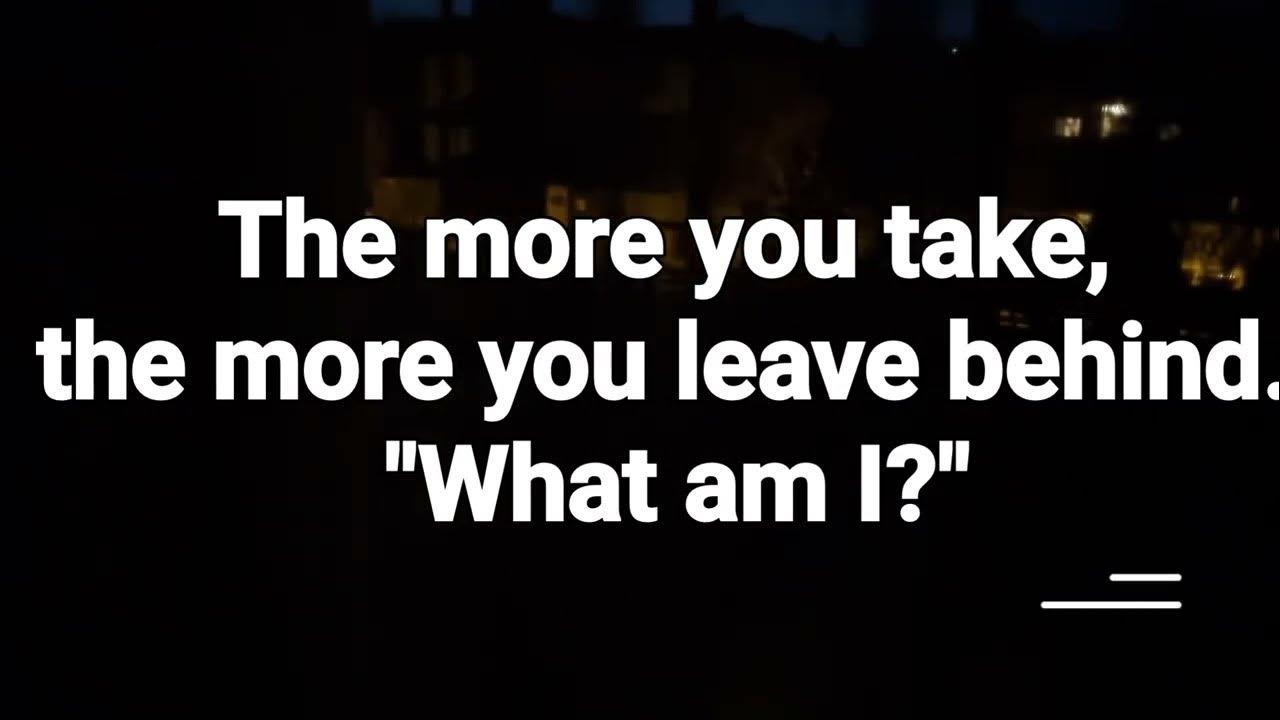
Answer: Footsteps.
Every step you take leaves a footprint behind you. The more steps you take, the more you leave. It’s one of those riddles that feels obvious the moment you hear the answer — and impossible a second before.
4. “I have cities but no houses live there. I have mountains but no trees grow there. I have water but no fish swim there. I have roads but no cars drive there. What am I?”
A longer riddle that appears frequently in “trending puzzles” lists and gets massive search volume.
Answer: A map.
All the features exist on a map as representations — not as real, physical things. The riddle tests whether you can separate the symbol from the reality.
5. “What can travel around the world while staying in a corner?”
Short, clean, and endlessly Googled. One of the most classic popular riddles in circulation.
Answer: A stamp.
A postage stamp stays in the corner of an envelope while the letter travels across the world. Perfect logic, perfectly worded.
6. “I’m light as a feather, yet the strongest man can’t hold me for more than a few minutes. What am I?”
This riddle regularly trends because the answer feels wrong until it clicks.
Answer: Breath.
Breath weighs essentially nothing, yet no human — regardless of strength — can hold their breath for more than a few minutes. The riddle turns a biological fact into a puzzle.
7. “What has to be broken before you can use it?”
One of the simplest and most searched riddles on the internet. Endlessly shared in text messages and WhatsApp groups.
Answer: An egg.
You can’t use an egg for cooking without cracking it open. Simple, clean, satisfying. These types of riddles rank highly because they’re easy to share and hard to guess on first try.
8. “I have a head and a tail but no body. What am I?”
A short riddle with a very literal-but-unexpected answer.
Answer: A coin.
Coins have a “head” side (usually a face or portrait) and a “tail” side — but no physical body. The riddle works because heads and tails immediately suggest an animal.
9. “What gets wetter the more it dries?”
A longtime favorite in viral brain teaser lists. People argue about this one.
Answer: A towel.
A towel’s entire job is to dry things — but in doing so, it absorbs moisture and gets progressively wetter itself. The paradox is real and that’s what makes it such a satisfying riddle.
10. “I’m always in front of you but can never be seen. What am I?”
Philosophically beautiful and one of the deepest entries on this list of most searched riddles.
Answer: The future.
The future is always ahead of you — always coming — but it can never be directly seen or experienced until it becomes the present. This riddle resonates because it’s genuinely true.
What Makes a Riddle Go Viral?
Not every riddle catches fire. The ones that dominate search results and social feeds tend to share a few key traits:
They use familiar words in unfamiliar ways.
Words like “hands,” “mouth,” “head,” and “tail” trigger assumptions that the riddle then subverts. That moment of surprise is what drives sharing.
They’re short enough to remember.
The most popular riddles can be held in working memory easily, which means people can ask them aloud to friends without needing to look them up again.
The answer feels both surprising and obvious.
The best riddles make you feel slightly foolish for not getting it — but not frustrated. That emotional response (“of course!”) is exactly what makes someone want to immediately pass it on.
They work across all ages.
Riddles like these appear in children’s books, corporate team-building sessions, and late-night group chats. Universal appeal equals universal search volume.
How to Use These Riddles
These aren’t just fun to read — they’re genuinely useful in a few different contexts:
In the classroom: Teachers use trending puzzles and riddles as warm-up activities because they engage critical thinking without pressure. A riddle at the start of a lesson gets the room focused and energized.
For team building: Opening a meeting with a riddle is a low-effort, high-return way to lighten the atmosphere. It creates shared experience in seconds.
With kids: Riddles develop lateral thinking, language skills, and patience. They’re also one of the few activities where kids and adults are genuinely on equal footing.
On social media: Posting a riddle with the answer hidden in the comments is a proven engagement strategy. It generates replies, saves, and shares — all signals that algorithms reward.
Riddles That Almost Made the List
A few popular riddles that come close but don’t quite crack the top tier:
“What has one eye but can’t see?” — A needle.
“What can you catch but not throw?” — A cold.
“What has keys but no locks?” — A keyboard.
“What runs but never walks?” — A river.
These are worth keeping in your back pocket for when you’ve already used the big ones.
Conclusion
The most searched riddles on Google share a common magic: they’re simple on the surface, genuinely tricky in the middle, and completely satisfying at the end. Whether you’re looking to challenge your brain, entertain a group, or just experience that “aha” moment — riddles deliver every time. The ones in this list are tested, trusted, and proven to stump people of all ages.
For more puzzles, brain teasers, and the latest trending riddles with answers, visit riddlepuzzle.com — your go-to destination for mind-bending fun.
Frequently Asked Questions (FAQs)
Q: What is the most searched riddle on Google?
A: Based on available search data, riddles like “I have hands but can’t clap” and “what gets wetter as it dries” consistently rank among the most searched riddle queries on Google.
Q: What is the answer to “the more you take, the more you leave behind”?
A: The answer is footsteps. Every step you take leaves a footprint behind you.
Q: Why are riddles so popular online?
A: Riddles are short, shareable, and trigger a satisfying emotional response when solved. They work across all ages and spread naturally through social media and messaging apps.
Q: What makes a good riddle?
A: A great riddle uses familiar words with double meanings, is short enough to remember, and has an answer that feels both surprising and logical. The “of course!” reaction is what drives sharing.
Q: Where can I find more riddles with answers?
A: You can find a large collection of popular riddles, viral brain teasers, and trending puzzles with full answers at riddlepuzzle.com.