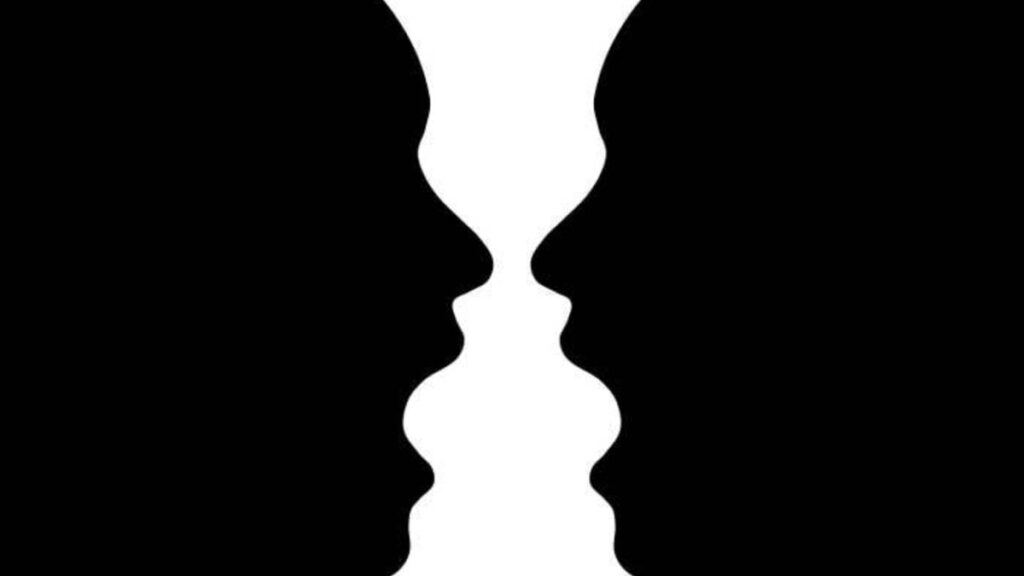
Optical illusions with answers are fascinating visual puzzles that reveal how our brains interpret images, shapes, and patterns. Sometimes what we see is not actually what exists, because the brain tries to fill in missing information using past experiences and visual clues. These illusion puzzles and visual brain teasers are not only entertaining but also help scientists understand how human perception works. From mysterious shapes to hidden objects, mind-trick illusions challenge the way our brain processes visual information.
In this article, you will explore some of the most interesting picture riddles and illusions, learn why they trick the brain, and discover the correct answers behind them.
What Are Optical Illusions?
Optical illusions occur when the brain interprets visual information differently from reality. The eyes send signals to the brain, but the brain sometimes processes those signals incorrectly due to contrast, patterns, lighting, or perspective.
There are three main types of illusions:
-
Literal illusions – Images that show something different from what actually exists.
-
Physiological illusions – Caused by overstimulation of the eyes or brain.
-
Cognitive illusions – Occur when the brain unconsciously interprets visual cues incorrectly.
These illusions are commonly used in visual brain teasers, puzzles, psychology studies, and even art.
Why Optical Illusions Trick the Brain
The human brain processes visual information extremely quickly. Instead of analyzing every detail, it uses shortcuts to understand what we see.
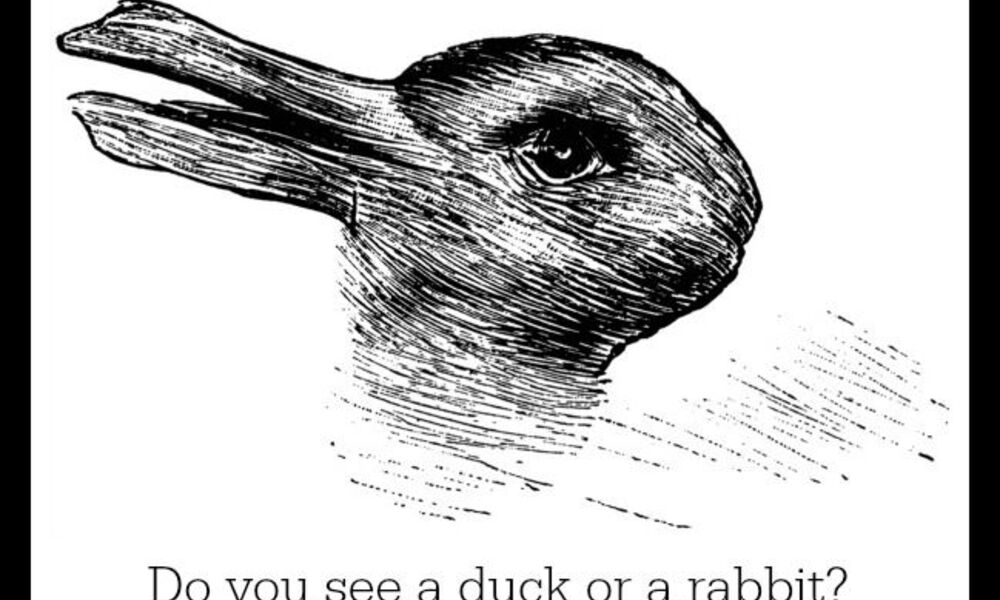
Several factors cause mind-trick illusions:
-
The brain predicts shapes and patterns.
-
Shadows and contrast create false depth.
-
Perspective changes how objects appear.
-
The brain fills in missing information automatically.
Because of these shortcuts, our brains sometimes misinterpret images, creating the illusion.
10 Optical Illusions With Answers
Below are some popular optical illusions with answers that demonstrate how easily our brains can be fooled.
1. The Hidden Animal Illusion
In this picture, the illusion of a forest scene is created. At first glance, it appears to be random shapes and shadows.
Challenge:
Find the hidden animal in the image.
Answer:
A tiger is hidden within the pattern of trees and stripes.
Why does it trick the brain
-
The brain focuses on large shapes instead of small details.
-
The pattern blends the tiger with the background.
2. The Moving Lines Illusion
This visual brain teaser shows rows of straight lines that appear to move or wave when you look at them.
Challenge:
Are the lines actually moving?
Answer:
No. The lines are completely static.
Why does it trick the brain?
-
High-contrast patterns confuse motion sensors in the brain.
-
Your eyes constantly adjust focus, creating the illusion of movement.
3. The Old Woman or Young Woman Illusion
This classic illusion puzzle shows two different people in the same image.
Challenge:
How many people are visible in the picture?
Answer:
Both a young woman looking away and an old woman looking down appear in the same image.
Why does it trick the brain?
-
The brain switches between two interpretations.
-
Your perception changes depending on which feature you notice first.
4. The Hidden Number Illusion
This mind trick illusion uses colored dots and patterns to hide numbers.
Challenge:
Look closely and identify the number hidden in the image.
Answer:
The number 74 appears when you slightly blur your vision or step back.
Why does it trick the brain?
-
Color contrast hides the shapes.
-
The brain struggles to detect patterns within noise.
5. The Impossible Triangle
Also known as the Penrose Triangle, this illusion shows a triangle that cannot exist in real life.
Challenge:
Is the triangle physically possible?
Answer:
No. The structure is geometrically impossible.
Why does it trick the brain?
-
Each corner looks realistic individually.
-
When combined, the perspectives become impossible.
6. The Spinning Dancer Illusion
This popular illusion shows a dancer spinning.
Challenge:
Which direction is the dancer spinning?
Answer:
The dancer can spin both clockwise and counterclockwise, depending on your perception.
Why does it trick the brain?
-
The silhouette lacks depth cues.
-
Your brain decides the direction.
7. The Checker Shadow Illusion
This illusion shows two squares that appear to be different shades.
Challenge:
Are the two squares the same color?
Answer:
Yes, both squares are exactly the same color.
Why does it trick the brain?
-
The brain compensates for shadow effects.
-
Context changes how colors appear.
8. The Hidden Face Illusion
In this picture riddles illusion, viewers see a landscape scene.
Challenge:
How many faces can you find?
Answer:
There are several hidden faces formed by trees, rocks, and shadows.
Why does it trick the brain
-
Humans are naturally wired to recognize faces.
-
The brain detects patterns even where none exist.
9. The Size Comparison Illusion
Two shapes appear different in size.
Challenge:
Which circle is larger?
Answer:
Both circles are exactly the same size.
Why does it trick the brain
-
Surrounding shapes influence perception.
-
Context changes how we judge size.
10. The Color Changing Illusion
This illusion uses colored grids that appear to change shades.
Challenge:
Are the colors actually changing?
Answer:
No. The colors remain constant.
Why does it trick the brain
-
Color contrast affects perception.
-
The brain adjusts brightness automatically.
Benefits of Solving Optical Illusions
Solving visual brain teasers and illusion puzzles can actually benefit your brain.
Cognitive Benefits
-
Improves observation skills
-
Enhances attention to detail
-
Strengthens problem-solving abilities
-
Stimulates brain activity
Educational Benefits
-
Helps students understand perception
-
Teaches how the brain processes information
-
Encourages creative thinking
Because of these benefits, many teachers and psychologists use optical illusions with answers as learning tools.
Tips to Solve Optical Illusions Faster
If you want to get better at solving mind trick illusions, try these simple strategies.
Helpful Tips
-
Look at the image from different angles.
-
Step back from the screen or picture.
-
Slightly blur your eyes.
-
Focus on negative space in the image.
-
Give your brain a few seconds to adjust.
With practice, you can solve even the most difficult picture riddle illusions.
Optical Illusions in Science and Psychology
Scientists use optical illusions to study how the brain processes visual information.
Researchers in universities and research labs—including institutions in California, USA—often analyze illusions to understand perception and cognitive behavior.
These studies help experts:
-
Improve virtual reality systems
-
Design safer road signs
-
Develop better visual technologies
Understanding illusions helps researchers learn how humans interpret the world visually.
Where to Experience Optical Illusions in Real Life
Many cities now feature museums dedicated to illusions and visual puzzles.
For example, visitors in Los Angeles, California, USA can explore interactive exhibits at illusion museums where guests experience large-scale mind trick illusions and visual brain teasers.
These attractions allow people to step inside optical illusions and understand how perception works.
Conclusion
Optical illusions with answers show how fascinating and complex the human brain truly is. These illusion puzzles, mind trick illusions, and visual brain teasers demonstrate that our perception is not always reliable. Whether you are solving picture riddles and illusions for fun or exploring them as part of psychology and science, these puzzles offer both entertainment and mental stimulation.
If you live in Los Angeles, California, USA, consider visiting an illusion museum or interactive exhibit to experience optical illusions in real life. Exploring these fascinating visual tricks can help you better understand how your brain interprets the world around you.
FAQs
Q1: What are optical illusions with answers?
A: Optical illusions with answers are visual puzzles that trick the brain but include explanations revealing the true image or pattern.
Q2: Why do optical illusions trick our brains?
A: The brain interprets visual clues quickly and sometimes fills in missing details incorrectly.
Q3: Are optical illusions good for the brain?
A: Yes, solving illusion puzzles and visual brain teasers can improve observation skills and cognitive flexibility.
Q4: Where can people see optical illusion exhibits in California, USA?
A: Visitors can explore interactive illusion exhibits and visual brain teasers at museums in cities like Los Angeles, California, USA.
Q5: How can I solve difficult optical illusions?
A: Try changing perspective, stepping back from the image, or focusing on patterns to reveal hidden details.