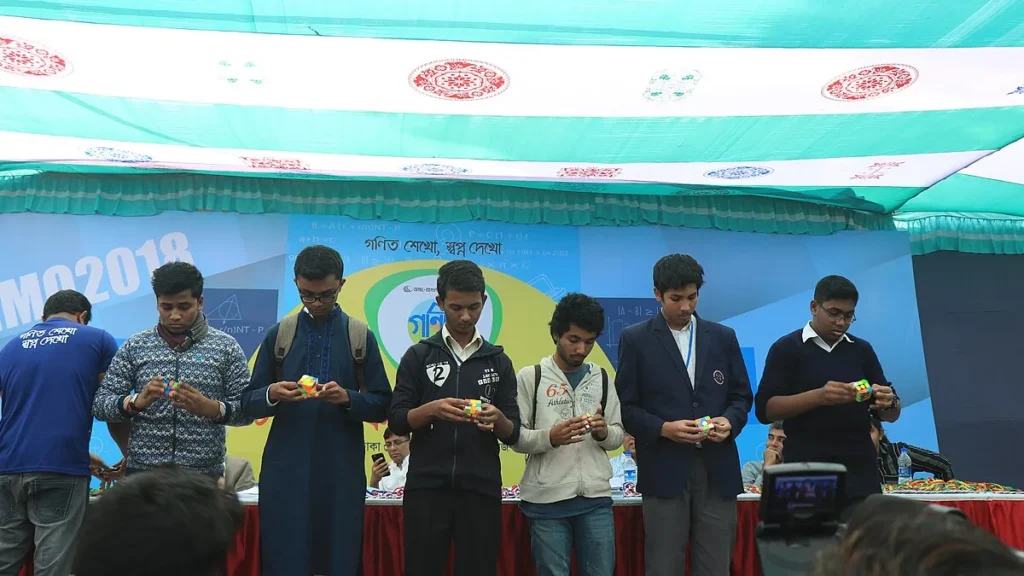
Chess has never felt more like a teen game. What was once seen as a quiet pastime for a library corner is now a fast, funny, competitive world of blitz matches, puzzle rushes, streaming stars, and school clubs that fill up within minutes of opening. Teenagers are discovering chess on their phones during lunch, on laptops after homework, and across real boards at kitchen tables, and they are sticking with it because every game feels different. No two matches ever play out the same way, and that endless variety is exactly what keeps a teenager coming back for one more game.
The best chess games for teens in 2027 are not just about moving pieces correctly. They are about learning to think ahead, staying calm under pressure, and enjoying the thrill of a clever plan coming together. Some teens love the rush of a three-minute blitz game, others love solving quiet puzzles at their own pace, and many love playing with friends in a club or online with players from around the world. The right game matches the teenager in front of it, whether that teenager is a complete beginner who has never played before or a confident player chasing a higher rating.
This guide rounds up the very best chess games, apps, and formats for teenagers, from free apps that teach the rules step by step to classic board sets that make a wonderful gift, and from fast online matches to team games that turn chess into a social event. Every pick below is fun first and educational second, because a game that feels like homework will not last a week. A game that feels exciting, fair, and rewarding will keep a teen thinking, planning, and improving for years.
Key takeaways
- Start with a free app that teaches the rules and offers puzzles, then add real board games once the basics feel natural.
- Blitz and rapid games suit teens who love speed, while puzzles and daily games suit teens who prefer thinking time.
- Playing with friends, family, or a school club makes chess far more fun than playing alone.
- A good chess set, a puzzle book, or a premium app membership all make excellent gifts for teen players.
- Improvement comes from short, regular play and reviewing mistakes, not from marathon sessions.

Why Chess Clicks So Well for Teenagers
Chess fits the teenage brain beautifully. It rewards curiosity, pattern-spotting, and creative problem-solving, and it gives instant feedback: a good move feels great, and a mistake teaches a lesson in seconds. Unlike many games, chess never depends on luck or on paying for upgrades. Every player starts with the same pieces, and the winner is the one who thinks more clearly on the day. That fairness appeals to teenagers, who are quick to spot anything that feels rigged or unfair.
Chess also fits teenage life. A puzzle takes two minutes between classes. A blitz game takes five minutes on the bus. A longer game can fill a rainy Saturday afternoon with a friend. Teens can play at home, at school, or online, and they can compete with people their own age all over the world. Many teens also enjoy the social side of chess: the jokes, the post-game analysis, the friendly rivalries, and the feeling of belonging to a club or an online community.
Parents and teachers love chess for a different reason. It quietly builds concentration, patience, planning, and resilience. Losing a game hurts for a moment, but it also teaches a teenager to shake hands, learn from the loss, and try again. Those are life skills dressed up as a game, and they arrive without any lectures. When a teenager falls in love with chess, the learning happens almost by accident, which is the best kind of learning there is.
How We Picked the Best Chess Games for Teens
We looked for games that are genuinely fun for ages thirteen to nineteen, not games designed for small children or for serious adult tournament players. Each pick had to be easy to start, rewarding to keep playing, and safe and welcoming for young players. Free options were given extra credit, because a teenager should be able to start playing today without spending a penny.
We also valued variety. Some teens want speed, some want calm puzzles, some want to play with friends in the same room, and some want a beautiful physical board they can be proud of. A great list covers all of those moods, so this guide mixes apps, websites, board games, puzzle books, and team formats. If you are building a wider collection of games for a teenager, our roundup of the best mind games for teens pairs perfectly with this list, because chess is at its best when it sits alongside other brain-training favourites.
Finally, we checked that every pick is still popular and well-supported in 2027, with active players, regular updates, and helpful learning tools. A chess app with nobody online is no fun at all, and a board game that gathers dust is a wasted gift. Every entry below earns its place by being played, loved, and recommended by real teenage players.
1. Chess.com — The Best All-Round Chess App for Teens
Chess.com is the biggest name in online chess, and for good reason. It offers free play against millions of people worldwide, puzzles that adapt to your level, lessons from top players, and game modes for every mood, from one-minute bullet to slow daily games. The app feels modern and friendly, with avatars, achievements, and friendly challenges that make progress feel visible.
For a teenager just starting out, the lessons are the star feature. Short videos and interactive exercises teach the rules, basic checkmates, and simple tactics without ever feeling like school. The puzzle section then turns that learning into a game, with a daily streak to protect and a rating that climbs as skills improve. Teens who love competition can join clubs, enter tournaments, and climb the leaderboards.
The free version is generous, and a premium membership adds deeper lessons and unlimited puzzle rushes. Parents will appreciate the reporting and blocking tools, and the ability to play with friends in private matches. Chess.com works on phones, tablets, and computers, so a game started on the bus can be finished at home. It is the single best starting point for almost every teenager, and it is where most teen players we spoke to began their chess journey.
2. Lichess — The Best Free Chess App with Zero Adverts
Lichess is completely free, with no adverts and no paywalls, which makes it a favourite among teenagers and teachers alike. It is run as a non-profit, and every feature is open to everyone: unlimited puzzles, free lessons, analysis with a powerful computer engine, and games against players at every level. The design is clean and fast, and it works beautifully even on older phones.
What makes Lichess special for teens is its puzzle storm and puzzle streak modes, which turn tactical training into a race against the clock. They are addictive in the best way, and many teens use them as a quick warm-up before a match. The study feature also lets friends share lessons and analyse games together, which is perfect for a school club or a pair of friends learning together.
Lichess also offers variants such as Chess960, King of the Hill, and Atomic chess, which add a playful twist for teens who get bored of standard games. Tournaments run around the clock, and there is a strong focus on fair play and friendly behaviour. For a teenager who wants everything for free and hates being interrupted by adverts, Lichess is hard to beat.
3. ChessKid — The Best Chess App for Younger Teens and Beginners
ChessKid is the younger sibling of Chess.com, designed with safety and encouragement in mind. It is ideal for thirteen and fourteen year olds, or for any teenager who is brand new to chess and wants a gentle start. The characters are fun, the lessons are short and cheerful, and the puzzles celebrate every small win.
The app teaches through games and stories rather than dry lectures. A teenager learns how the knight moves by completing a mini adventure, and learns checkmate patterns by solving puzzles that feel like levels in a video game. Parents can set up a safe account with no chat from strangers, which gives everyone peace of mind while a younger teen finds their feet.
Older teens may outgrow ChessKid within a year, but as a first step it is brilliant. It builds confidence quickly, and confidence is what keeps a beginner playing long enough to fall in love with the game. Many school chess clubs use ChessKid for their newest members before graduating them to the main Chess.com app.
4. A Classic Wooden Chess Set — The Best Physical Chess Game for Teens
There is something special about a real wooden chess set that no screen can match. The weight of the pieces, the click as a knight lands, and the sight of a board set up on a table all invite a teenager to sit down and play. A good wooden set is also a gift that lasts for decades, and many adults still own the set they received as a teenager.
For teens, look for a set with a board around fifteen to seventeen inches wide, pieces that are easy to grip, and clear contrast between the light and dark sides. Magnetic pieces are a smart choice for travel or for playing in the car, while a folding board with storage inside keeps everything tidy. Avoid tiny travel sets for home play, because small pieces are frustrating during a long game.
Playing over a real board also changes the game. Teens talk more, laugh more, and think more deeply when they can see the whole board without a screen between them. If you want chess to become a family habit, a beautiful board on the coffee table is the best invitation there is. It also looks wonderful on a shelf, which matters more to teenagers than adults sometimes expect.
5. Blitz Chess — The Best Fast Chess Game for Teens Who Love Speed
Blitz chess gives each player just three or five minutes for the whole game, and the result is pure excitement. Every move matters, the clock ticks loudly, and a game can be won or lost in a single bold moment. Teenagers who love fast video games often love blitz, because it has the same rush and the same need for quick thinking.
Blitz is best played after learning the basics, because it rewards instinct and pattern recognition more than deep calculation. The best way to enjoy it is in short bursts: three or four games, then a break. Playing blitz for hours can build bad habits, but playing a little blitz alongside puzzles and slower games makes a teenager sharper and more confident.
Both Chess.com and Lichess offer excellent blitz modes with quick matchmaking, so a teenager is never waiting long for an opponent. Playing blitz with a friend on the same phone, passing it back and forth, is even better, and it turns a quiet evening into a lively competition. Blitz is chess at its most thrilling, and it is often the format that hooks a teenager for life.
6. Puzzle Rush and Daily Puzzles — The Best Chess Puzzles for Teens
Chess puzzles are short challenges where a teenager must find the winning move, usually a checkmate or a clever tactic. They take seconds to minutes, they are endlessly satisfying, and they are the fastest way to improve at chess. A teen who solves ten puzzles a day will notice a real difference in their games within a few weeks.
Puzzle Rush turns solving into a race, with three minutes to solve as many puzzles as possible. Daily puzzles offer one carefully chosen challenge each morning, which many teens enjoy as a ritual before school. Both formats build pattern recognition, which is the secret skill behind strong chess: recognising a fork, a pin, or a discovered attack the moment it appears.
Puzzles also suit teens who are nervous about playing against other people. There is no opponent, no clock pressure in daily puzzles, and no embarrassment in getting one wrong. It is just the teen and the board, working out a beautiful idea. Puzzle books make a wonderful offline version of the same fun, and they are perfect for car journeys and holidays without screens.
7. Chess960 (Fischer Random) — The Best Chess Variant for Creative Teens
Chess960 shuffles the starting position of the back-rank pieces, creating 960 possible starting setups. That single change removes memorised openings and forces both players to think from move one. For creative teenagers who love surprises and hate rote learning, it is a revelation.
Every game of Chess960 feels fresh, because nobody can prepare a trap in advance. Teens must rely on principles rather than memory: develop pieces, control the centre, and keep the king safe. That makes it a brilliant learning tool as well as a fun game, and many coaches use it to help students understand the ideas behind the moves.
Chess960 is available on both Chess.com and Lichess, and it is easy to set up on a real board too, by shuffling the pieces into a random starting position. It is a great choice for a chess club night, because it levels the playing field between experienced players and newcomers. If standard chess ever starts to feel familiar, Chess960 brings the excitement straight back.
8. Bughouse Chess — The Best Team Chess Game for Teens
Bughouse is chess played in pairs, and it is the loudest, funniest, most chaotic chess variant there is. Two boards sit side by side, two teams of two play, and pieces captured on one board are passed to a partner to drop onto the other board. The result is fast, noisy, and completely addictive, and it is a staple of school chess clubs everywhere.
Teenagers love Bughouse because it is a team game. Partners shout advice, celebrate clever drops, and groan together when a plan falls apart. It rewards communication and quick thinking more than deep calculation, so even a beginner can contribute to a win. It is also a wonderful way to include a new player, because a strong partner can carry them while they learn.
Bughouse needs four players and two boards, which makes it perfect for a club, a party, or a family game night. Online versions exist too, but the real magic happens in person, with two boards, two teams, and a lot of laughter. If you want chess to feel like a party game, Bughouse is the answer.
9. Chess Puzzles Books and Workbooks — The Best Offline Chess for Teens
A good puzzle book is a teenager’s best friend on a long journey, a quiet evening, or a screen-free weekend. The best books for teens mix easy wins with genuine challenges, explain the ideas behind each puzzle, and build skills in a sensible order. Look for books with clear diagrams, friendly explanations, and puzzles that can be solved in a few minutes each.
Workbooks that focus on tactics are especially valuable. They teach the forks, pins, skewers, and discovered attacks that win real games, and they do it through practice rather than theory. A teenager who works through a tactics workbook will start spotting those patterns in their own games almost immediately, and that feeling of spotting a winning move is what makes chess so rewarding.
Puzzle books also make excellent gifts, because they are affordable, portable, and personal. A book chosen for a teenager’s level shows thought, and it gives them something to enjoy without a battery or a Wi-Fi connection. Keep one by the bed or in a school bag, and it will get used far more than anyone expects.
10. Online Chess Tournaments and School Clubs — The Best Social Chess for Teens
Chess is at its best when it is shared, and tournaments and clubs are where teenage players make friends for life. A school club offers a weekly meeting, a friendly rivalry, and a coach or older student to learn from. Online tournaments offer the thrill of competition against players from other towns and countries, all from home.
Joining a club also gives a teenager a reason to practise. Knowing that Friday’s club match is coming makes those ten minutes of daily puzzles feel purposeful, and playing a real person across a board teaches lessons that no app can match. Clubs often organise team matches, fun variants like Bughouse, and end-of-term tournaments with small prizes.
If there is no club at school, starting one is easier than it sounds. All it takes is a few boards, a regular time, and one enthusiastic teenager. Many of the strongest teen players started exactly that way, and the friendships they built mattered just as much as the rating points. Chess is a game, but the community around it is what keeps teenagers playing for years.
Best Chess Games for Teens at a Glance
| Game or format | Best for | Cost | Players | Where to play |
|---|---|---|---|---|
| Chess.com | All-round play and lessons | Free, premium optional | 1 or 2 | App and website |
| Lichess | Free play with no adverts | Completely free | 1 or 2 | App and website |
| ChessKid | Younger teens and beginners | Free, premium optional | 1 or 2 | App and website |
| Classic wooden set | Family games and gifts | One-off purchase | 2 | At home |
| Blitz chess | Fast, exciting games | Free on apps | 2 | App, website, or board |
| Puzzle Rush | Quick daily improvement | Free, premium optional | 1 | App and website |
| Chess960 | Creative, fresh games | Free on apps | 2 | App, website, or board |
| Bughouse | Team fun and clubs | Free with two boards | 4 | In person |
| Puzzle books | Offline and travel play | One-off purchase | 1 | Anywhere |
| Clubs and tournaments | Social play and friends | Usually free or low cost | Many | School or online |
How to Choose the Right Chess Game for Your Teen
Start with the teenager’s personality. A competitive teen who loves speed will adore blitz and Puzzle Rush, while a thoughtful teen who likes quiet challenges will prefer daily games and puzzle books. A sociable teen will thrive in a club or a Bughouse game, while a teen who likes beautiful things will treasure a wooden set. There is no single right answer, and the best choice is the one that gets played.
Think about where chess will be played. If most games happen on a phone, an app is the priority. If chess is a family activity, a board is the priority. If a teenager travels a lot, a magnetic set and a puzzle book are the perfect pair. Many families end up with a mix: an app for daily play, a board for weekends, and a book for holidays.
Budget matters too, and the good news is that chess is one of the cheapest hobbies there is. Lichess is completely free, Chess.com is free to start, and a decent wooden set costs less than a video game. Chess is also a hobby that grows with the player: a teenager who starts with a free app can still be playing the same game, at a much higher level, ten years later. For family game nights that go beyond chess, our guide to the best board games for teens is a great next stop, because a teenager who loves chess usually loves a good board game night too.
Tips to Help a Teen Get Better at Chess
Improvement in chess is simple, even if it is not always easy. Play regularly, solve a few puzzles, and look back at mistakes after each game. A teenager who plays three short games a week and reviews them will improve far faster than one who plays for five hours once a month. Short, regular practice builds habits that last.
Learning one opening well is better than learning ten openings badly. Pick a simple, solid opening for white and one for black, learn the ideas behind them, and stick with them for a few months. The same applies to endgames: knowing how to checkmate with a queen and a king, and with a rook and a king, will win more games than any fancy opening trick.
Watching better players helps too. Short lesson videos, game analysis, and watching a favourite streamer explain their thinking can teach a teenager more in an hour than a week of random games. Encourage teens to ask why a move was played, not just what the move was. Understanding the reason is what turns a good move into a skill they can use again.
Finally, keep it fun. The moment chess feels like a chore, take a break, try a variant like Chess960, or play a silly game of Bughouse with friends. Chess should be a joy, not a duty, and the teenagers who improve most are the ones who enjoy the game enough to keep coming back to it.
Chess for Teens of Every Level
Beginners should start with the rules, a few basic checkmates, and lots of puzzles. The goal is not to win every game, but to stop hanging pieces, which means leaving a piece somewhere it can be captured for free. Once a teenager stops giving pieces away, their results improve dramatically, and their confidence grows with every game.
Intermediate players, who know the rules and a few tactics, should focus on simple plans: develop pieces quickly, castle early, and look for tactics on every move. Playing slower games and analysing them afterwards is the fastest route forward at this level. Joining a club or playing regular matches against a friend of similar strength also helps enormously.
Advanced teen players, who already compete in tournaments, benefit from studying annotated games, learning endgames properly, and working with a coach or a strong club player. At this level, the difference between winning and losing is often a single small mistake, so reviewing games carefully matters more than playing more games. Whatever the level, chess rewards patience, and the journey from beginner to confident player is one of the most satisfying a teenager can take.
Chess is also a wonderful bridge between generations. A teenager who learns chess can play with a grandparent, a parent, or a younger sibling, and everyone enjoys the game on their own terms. Our roundup of the best chess games for seniors shows how the same game brings joy at every age, and a family chess match is a lovely way to spend an evening together.
Your Chess Checklist
- Pick one free app, either Chess.com or Lichess, and set up an account today.
- Learn the rules properly, including castling, en passant, and pawn promotion.
- Solve at least five puzzles a day, even if it only takes ten minutes.
- Play two or three games a week, mixing slow games with the occasional blitz match.
- Review every loss briefly and find one mistake to avoid next time.
- Join a club, invite a friend to play, or challenge a family member to a weekly match.
Frequently Asked Questions
What is the best chess app for teens?
Chess.com is the best all-round choice for most teenagers, thanks to its lessons, puzzles, clubs, and huge player base. Lichess is the best completely free option, with no adverts and every feature unlocked. Younger teens and total beginners may prefer ChessKid, which is gentler and safer.
Is chess good for teenagers?
Yes, chess is excellent for teenagers. It builds concentration, planning, patience, and resilience, and it does so through a game that teenagers genuinely enjoy. It also gives them a social hobby, a way to make friends, and a skill they can keep for life.
How long does it take a teen to learn chess?
The basic rules can be learned in an afternoon, and a teenager can play a full game on the same day. Playing well takes longer, but most teens see real improvement within a few weeks of regular play and puzzle-solving. The key is short, regular practice rather than occasional long sessions.
What age is chess suitable for?
Chess suits teenagers of every age, from thirteen to nineteen and beyond. Younger teens benefit from gentle apps like ChessKid, while older teens enjoy the full competition of Chess.com, Lichess, and club tournaments. There is no upper age limit, and many players keep improving for decades.
Should a teen play blitz or slow chess?
Both have their place. Slow games build deep thinking and good habits, while blitz builds speed and instinct. A good balance is mostly slow games and puzzles, with blitz as a fun treat a few times a week. Beginners should play more slow games until the basics feel natural.
What makes a good chess gift for a teenager?
A beautiful wooden chess set, a puzzle book, a magnetic travel set, or a premium app membership all make wonderful gifts. Choose based on the teenager: a board for a family player, a book for a traveller, and an app membership for a teen who plays online every day.
The Bottom Line
The best chess games for teens in 2027 are the ones that make a teenager want to play again tomorrow. For most teens, that means starting with Chess.com or Lichess, adding daily puzzles, and playing with friends whenever possible. A real wooden board, a puzzle book, and a school club turn a phone hobby into a lifelong passion, and variants like Chess960 and Bughouse keep the game fresh and fun.
Chess does not need expensive equipment or special talent. It needs a board, an opponent, and a curious mind, and teenagers have all three in abundance. Give a teen a good game, a little encouragement, and a regular chance to play, and chess will do the rest. The next great game is only a move away.
Note: This guide is for fun and general information. Chess ratings, app features, and prices can change, so check the app or shop before buying a membership or a set. Every teenager learns at their own pace, and the best chess game is always the one they enjoy most.