There is a sound we have come to love more than almost any other sound in a game, and it is not a cheer or a buzzer or a fanfare. It is the soft, ordinary click of a door closing behind us, followed by half a second of silence while six people look at each other and realise, all at once, that the next hour belongs entirely to us. No phones, no errands, no half-finished conversations from the car park. Just a room, a puzzle, and the people we chose to bring with us.
We did not expect to feel that way the first time. We had booked an escape room the way you book anything on a Friday night, half as a joke and half because nobody could agree on anything else. We walked in expecting a novelty, something to laugh about afterwards. We walked out an hour later hoarse, delighted, and already arguing about which of us had actually solved the last lock. That argument lasted longer than the game itself, and that, we think, is the point.
The Click of the Door Is the Whole Game
Most games ease you in. An escape room does the opposite. One moment you are standing in a bright reception area holding a waiver and a locker key, and the next the door has closed and the room is yours, and something in your chest tightens in the best possible way. It is a small, safe fright, the kind you get on a roller coaster just before the drop, and it works every single time, no matter how many rooms you have played.
Part of it is the strangeness of being locked in on purpose. Grown adults do not usually get told to stay in one room and touch everything, and the novelty of that permission is genuinely giddy. Drawers beg to be opened. Books beg to be pulled off shelves. A painting that hangs slightly crooked is not bad decorating, it is an invitation. The whole room is a question, and for one hour you are allowed, encouraged even, to be nosy about every corner of it.
But the deeper thrill is the boundary. The walls are real, the hour is real, and the door will not open early just because you ask nicely. That edge is what makes everything inside the room feel sharper. A key found in a coat pocket matters more when the clock is running. A half-remembered pattern on a wall feels like treasure. Outside, those same small things would barely register. Inside, with the door shut and the minutes slipping away, they feel like the most important objects in the world.
The Clock Takes Away the Small Talk
Here is something we noticed after our third or fourth room, and it has stayed with us ever since. Inside an escape room, nobody asks what you do for a living. Nobody checks the weather, or the news, or what everyone thought of the drive over. The clock quietly deletes all of that. What is left is the most direct version of a conversation: look at this, try that, what if the numbers on the mirror mean something, hold this torch while I read the back of the drawer.
It is the fastest we have ever seen a group of people become a team. Not in the corporate, trust-fall sense, but in the older, simpler sense of people pulling in the same direction because they want the same thing. The friend who is usually quiet at dinner suddenly spots the pattern everyone else walked past twice. The friend who is usually in charge of everything happily takes orders from someone else for once, because the someone else found the key. Hierarchies melt. The room does not care who earns the most or talks the loudest. It only cares who is paying attention.
We have also learned that the clock forgives a lot. When a group gets stuck, nobody holds it against anyone. The frustration is shared, and so is the relief when someone finally cracks it. If you are wondering how escape rooms land with teenagers, who live under even more pressure to look unbothered than the rest of us, our honest look at escape rooms for teens says much the same thing: the room rewards trying hard, out loud, together.
The Eureka Moment Belongs to Everyone
Every escape room we have played has a moment we still talk about, and it is always the same kind of moment. Someone says something half-formed, someone else finishes the thought, a third person shouts, and suddenly a lock springs open that has been mocking us for ten minutes. The shout that goes up is ridiculous. It is far too loud for a small room. It is also the best sound in the game, second only to the click of the door.
What we love about that moment is that it never belongs to one person. The person who turns the key is just the last link in a chain. Somebody else found the clue, somebody else worked out what it meant, somebody else remembered the number from the painting three puzzles back. The win is genuinely shared in a way that very few games manage. There is no top scorer, no most valuable player, no quiet tally of who contributed most. The door opens for everyone at the same time, or it opens for no one.
That shared ownership changes how the hour feels afterwards. When we lose, and we have lost plenty, the defeat is shared too, and it is strangely painless. Nobody goes home blaming the person who missed the obvious code, because everyone missed something. We remember one room where we spent twenty minutes convinced a grandfather clock was the key to everything, only to discover the answer had been sitting in a teapot the whole time. We still laugh about the clock. We have never once laughed at each other.
Every Door Opens Somewhere Else
Walk into one escape room and you are a detective in a dusty office, rain on the window, a case file waiting on the desk. Walk into another and you are in a medieval corridor, stone under your feet, torchlight on the walls, a heavy wooden door at the far end that may or may not be the way out. The game is the same shape every time, and yet it never feels the same twice, because the world around it changes completely.
That is the part of escape rooms that still surprises us. We are not actors, and we are not children, and yet the moment the door closes, we play along without a second thought. We whisper when the theme is a haunted house. We argue like rival scholars when the theme is an ancient library. We have seen the most sensible people we know get genuinely invested in the fate of a fictional lighthouse keeper. The room asks for so little, just an hour of your imagination, and it gives back a small, complete adventure.
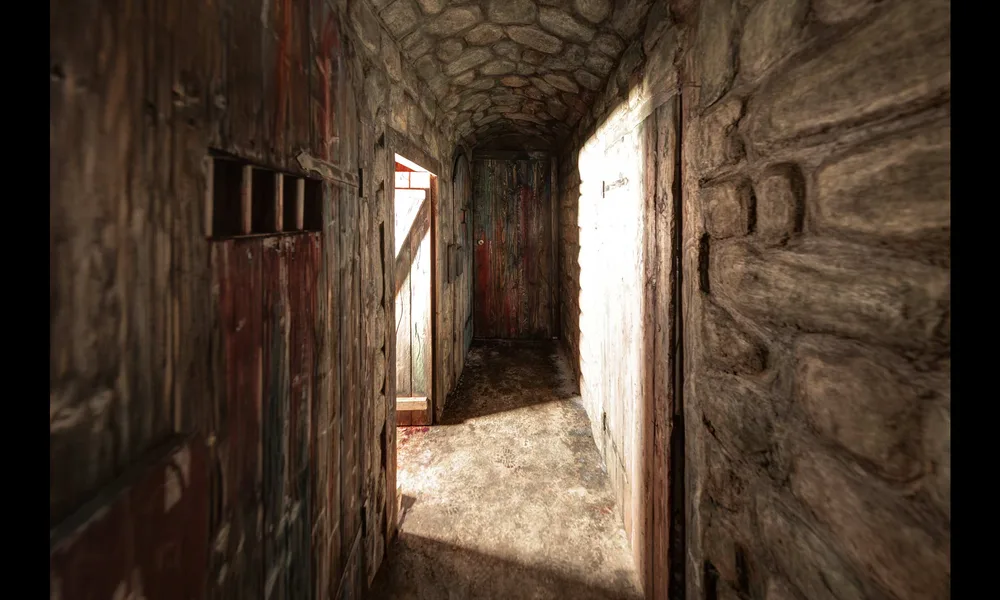
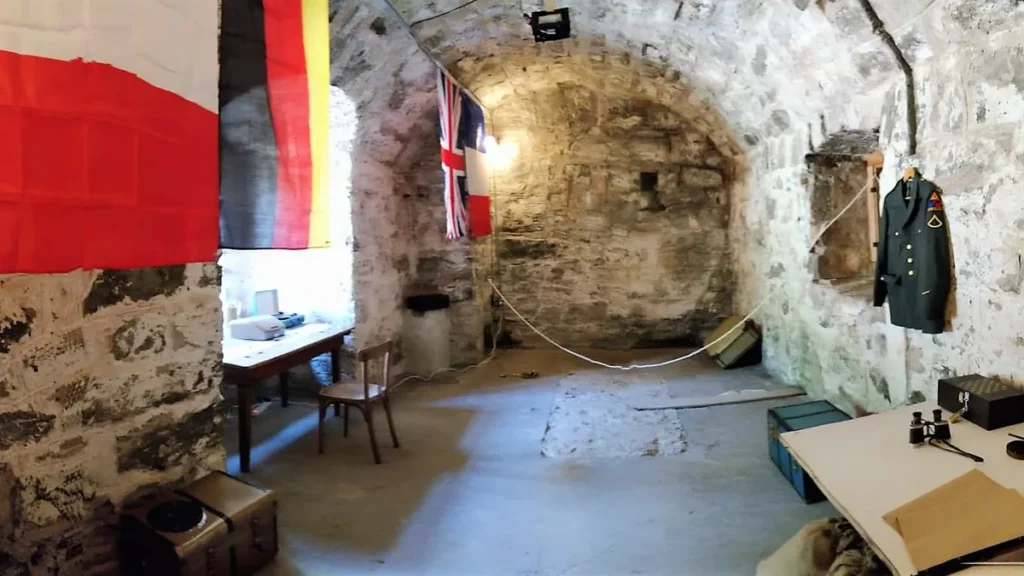
The detail is what sells it. A good room is not a stage set you glance at once. It is a place that rewards looking closely. The chipped paint on a trunk, the faded photograph tucked into a book, the smell of old wood and candle wax, all of it tells you where you are before a single puzzle does.
If you have never stepped inside one and you are curious about the shape of the thing before you book, here is what an escape room actually is, from the briefing at the start to the final lock. But no description quite captures the feeling of standing in a room that was built to be a different world for exactly one hour, and then stepping back out into an ordinary street, blinking, as if you have just woken from a particularly good dream.
The Same Room Is Never the Same Twice
Here is the secret that keeps us booking new rooms, and the reason we sometimes book the same room twice. The puzzle does not change, but the people do, and the people are the game. Take the same locked door, the same clues, the same sixty minutes, and hand them to a different group of friends, and you will get a completely different hour. One group will be methodical, splitting up, cataloguing everything before touching a lock. Another will be chaos from the first minute, shouting discoveries across the room, solving things by accident and by instinct.
That is why replaying with different friends is one of our favourite things to do. Bringing a new person into a room we have already escaped is like lending them a book we love and watching them read the ending for the first time. We bite our tongues, we let them find the things we already know, and we get to enjoy their eureka moment as if it were our own. The room becomes a gift we can give more than once.
Even the failures replay differently. A room that beat us once becomes a story we tell, and then a challenge we return to, and then, eventually, a victory that tastes sweeter for the wait. On the nights when nobody can get out to a venue at all, the best escape room games at home scratch a surprising amount of the same itch, but nothing quite matches the feeling of standing in a real room with real friends and a real door that will not open until you earn it.
What We Carry Out Afterwards
The hour ends, the door opens, and the game is over. But the best part of an escape room often happens in the ten minutes after that, standing on the pavement or sitting in a cafe nearby, retelling the whole thing. Who found the first clue. Who spent too long on the red herring. Who said the exact right thing at the exact right moment and did not even realise it. The story gets better with every telling, and it belongs to all of us.
We have noticed that escape room stories age well in a way that other nights out do not. A meal blurs into other meals. A film fades. But the night we escaped with ninety seconds to spare, or the afternoon we were beaten by a teapot, stays sharp for years. The details survive because we lived them together, in one room, with no distractions and no audience. There is something about a shared challenge that glues a memory in place.
It also gives friendships a kind of shorthand. Months later, someone only has to say the word teapot and the whole table dissolves. That is a rare thing, a private joke that was earned rather than invented, and it is one of the quietest, kindest gifts an escape room hands you. You go in for an hour of puzzles and you come out with a story that keeps paying you back.
Why We Keep Going Back
So why do we love escape rooms? Not for any single reason, but for the way all the small reasons add up into something larger than a game. We love the click of the door, and the hour with nowhere to hide, and the shout when a lock finally gives way. We love stepping into a world that was built for us and then stepping back out of it, blinking, together. We love seeing our friends at their cleverest, their silliest, and their most determined, sometimes all in the same five minutes.
Most of all, we love that an escape room asks for so little and gives so much back. It asks for an hour, a handful of friends, and a willingness to play along. In return it gives us a shared adventure, a story we will retell for years, and the particular joy of solving something together that none of us could have solved alone. That is a good trade. It has been a good trade every single time.
We will keep going back, to new rooms and old favourites, with old friends and new ones, because the door is always there, waiting to click shut behind us. And every time it does, for one hour, the rest of the world waits outside, and the only thing that matters is the room, the puzzle, and the people standing in it with us.