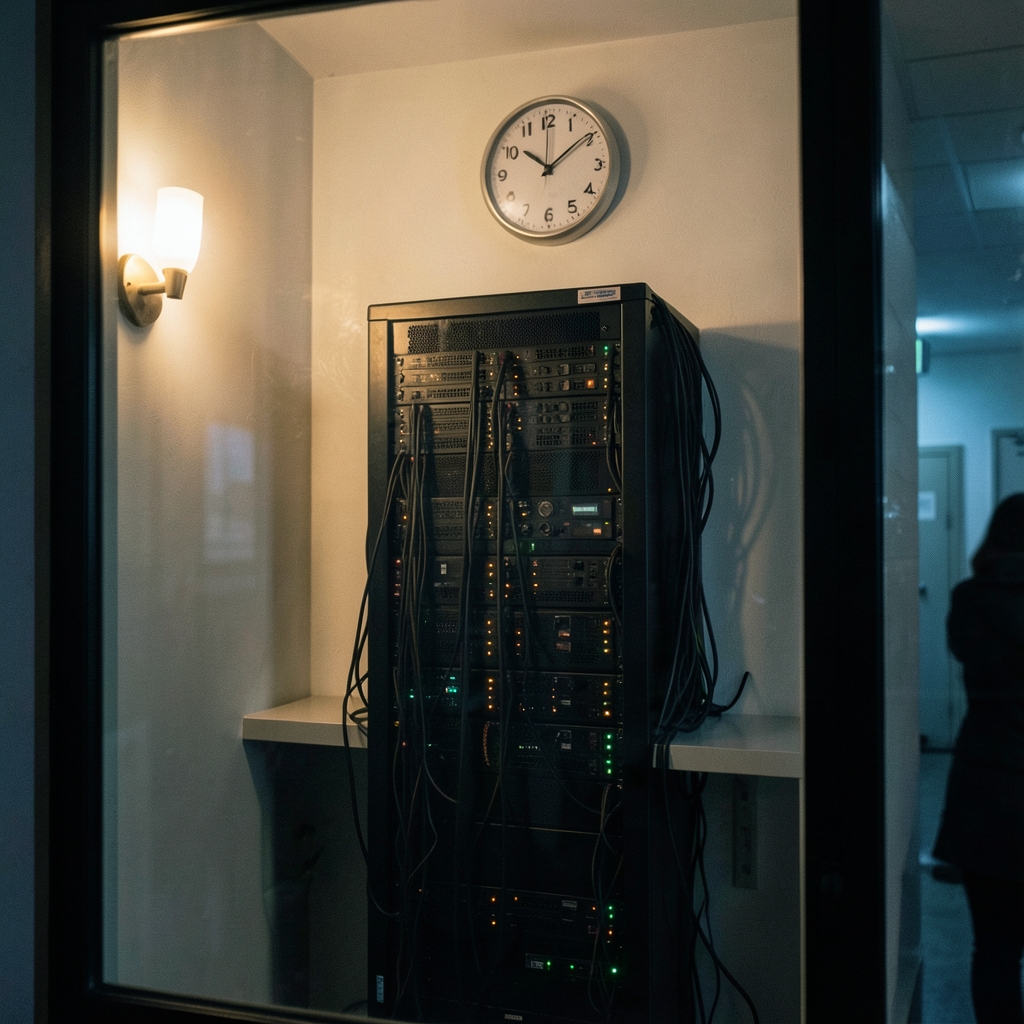
What happens at 3 a.m. when a certificate quietly expires on your payment gateway? Nobody notices until customers start seeing a red warning page, and by then the damage is done: lost sales, angry emails, and a scramble to remember who owns the renewal. That single scenario explains why SSL certificate monitoring has moved from a nice-to-have to a core piece of infrastructure hygiene. But here is the tricky part: the pricing for these tools is all over the map. Some vendors charge by endpoint, some by certificate, some bundle SSL checks into a broader uptime plan, and some charge nothing at all because the tool is open source.
This comparison breaks down the real cost structures behind SSL monitoring, so you can match the tool to the size of your estate rather than the size of a vendor’s marketing budget.
Why certificate expiry still causes outages
Certificate validity periods have been shrinking for years. The CA/Browser Forum’s Baseline Requirements capped public TLS certificate validity at 398 days back in 2020, and Let’s Encrypt has issued 90-day certificates since 2015. Short lifetimes are good for security and terrible for anyone relying on a calendar reminder. The more often certificates rotate, the more often something slips through.
The practical consequence is that monitoring is no longer just about spotting a certificate that is about to lapse. It is about tracking dozens or hundreds of certificates across load balancers, CDNs, internal services, and third-party vendors, each with its own renewal owner. When that ownership gets fuzzy, expiry becomes one of the most common causes of unplanned downtime.
There is also a quieter risk that pricing pages rarely mention: certificates that are valid but misconfigured. An expired chain, a mismatched hostname, or a deprecated protocol version will break things just as thoroughly as an expiry, and not every budget tool checks for it.
The four pricing models you will actually encounter

Strip away the branding and nearly every SSL monitoring product falls into one of four buckets. Knowing which bucket a vendor sits in tells you more about your eventual bill than any feature list.
| Pricing model | Typical unit | Best fit | Hidden cost to watch |
|---|---|---|---|
| Per monitored endpoint | Each hostname or URL | Small sites, agencies | Costs climb fast with subdomains |
| Per certificate | Each managed cert | Enterprises with large estates | Minimum seat or contract tiers |
| Bundled with uptime monitoring | Plan tier | Teams already paying for uptime | SSL checks capped on lower tiers |
| Open source / self-hosted | Licence-free | Technical teams with spare capacity | Hosting, maintenance, on-call time |
Per-endpoint pricing
This is the model most people meet first. You pay for each URL or hostname the tool watches, usually in monthly tiers. It is transparent and easy to forecast for a small site with three or four endpoints. It becomes awkward the moment you have wildcard certificates covering fifty subdomains, because some tools count each hostname separately even though they share one certificate.
Per-certificate pricing
Certificate Lifecycle Management (CLM) platforms, a category that solidified between roughly 2018 and 2020, typically price per certificate or per seat. These tools do more than alert: they discover certificates across your infrastructure, automate issuance and renewal, and keep an audit trail. That depth is why they cost more, and why they only make sense once you are managing hundreds or thousands of certificates.
Bundled SSL checks
Many uptime monitoring services include SSL expiry checks as part of their standard plans. This is often the cheapest route for small teams, because you are paying for uptime monitoring anyway and the certificate check rides along. The catch is that SSL monitoring on these plans is frequently shallow: expiry alerts yes, chain validation and cipher inspection sometimes, deep policy enforcement rarely.
Open source and self-hosted
Tools like the long-running `ssl-cert-check` shell script, Nagios and Icinga check plugins, and Prometheus’s `blackbox_exporter` (in use since around 2015) will monitor certificate expiry for zero licence cost. The licence is free; the operations are not. Someone has to host the probe, maintain the configuration, route the alerts, and respond at 3 a.m. If you already run a monitoring stack, the marginal cost is genuinely low. If you do not, you are effectively building one to solve a narrow problem.
What the free tiers really cover
Free tiers are common in this market, and they are a legitimate comparison axis rather than a marketing gimmick. The pattern is consistent: a limited number of endpoints, basic expiry alerts, and email-only notifications. That is enough for a personal site or a small business with a handful of domains.
Where free tiers fall short is in the details that matter at scale. Common limits include no API access, no alert integrations with Slack or PagerDuty, no historical reporting, and no checks beyond expiry. If your incident response depends on routing alerts into an on-call system, a free tier can end up costing you more in missed notifications than a paid plan would cost in subscription fees.
Practical tip: before committing to any free tier, test the alert path end to end. Deliberately point the tool at a certificate that expires soon (or a test hostname with a short-lived cert) and confirm the notification actually reaches the person who would act on it. Plenty of teams have discovered during an outage that their alerts were going to a shared inbox nobody had opened in months.
Where the real total cost of ownership hides
Vendor comparisons love to quote subscription prices and stop there. The honest comparison includes everything else.
Self-hosted open source tools carry hosting costs, maintenance time, and the operational burden of keeping the probe itself monitored. A monitoring system that silently stops running is worse than no monitoring, because it creates false confidence.
SaaS tools carry their own hidden line items. Per-endpoint pricing punishes sprawling subdomain structures. Some vendors charge extra for API access or for integrations. Annual-only contracts lock in pricing but reduce flexibility if your estate shrinks. And multi-year discounts, while real, assume your infrastructure will not change shape, which is a bold assumption in most organisations.
The same pattern shows up across software categories: the sticker price is rarely the bill. Teams comparing subscription structures in other tool categories run into identical traps, which is why breakdowns like this brand monitoring tools pricing comparison you actually pay and this proposal tools pricing comparison you actually pay keep circling back to the same lesson: count the seats, the endpoints, and the add-ons before you sign.
Matching the tool to your certificate estate
The single most useful question is not “which tool is best” but “how many certificates do I actually have, and who renews them?” Most teams underestimate this badly. Certificates hide in load balancers, container ingress controllers, mail servers, VPN concentrators, and SaaS platforms where you uploaded a certificate two years ago and forgot.
A rough sizing guide helps:
- Under 10 certificates, one owner: a bundled SSL check on an uptime plan or a free tier is usually sufficient. Paying for a CLM platform here is overkill.
- 10 to 100 certificates, a small team: per-endpoint SaaS monitoring with API access and Slack or PagerDuty integration hits the sweet spot. Budget for the integrations in addition to the base plan.
- 100 to 1,000 certificates, multiple owners: this is CLM territory. Per-certificate pricing starts to make sense because automation replaces manual coordination, and the audit trail becomes a compliance asset.
- Over 1,000 certificates: discovery and automated renewal stop being optional. At this scale, the cost of one outage typically dwarfs the subscription.
A common mistake is buying for today’s estate rather than next year’s. If your organisation is growing, per-endpoint pricing will feel cheap now and painful later. The reverse mistake is just as common: buying an enterprise CLM platform for twelve certificates because the sales demo was impressive.
What to check before you commit
Feature parity between tools is narrower than the pricing spread suggests. Almost everything monitors expiry. The differentiators sit in the edges.
Check whether the tool validates the full chain rather than only the leaf certificate. Check whether it flags hostname mismatches and weak protocol versions. Check how it handles internal or private CAs, since many SaaS scanners cannot reach internal endpoints at all. Check the alerting: does it support escalation, quiet hours, and deduplication, or will one expiring wildcard certificate fire forty identical alerts?
Then check the contract. Is pricing locked for the term? What happens if you exceed your endpoint count mid-month? Are there overage charges, or does monitoring silently stop? These questions are boring and they are exactly where budgets leak.
The same discipline applies when evaluating adjacent tool categories. A team auditing its content operations, for instance, will find the same tier-creep dynamics in a content audit tools pricing comparison you really pay, and anyone bundling software purchases will recognise the flat-fee-versus-per-seat tension in this affiliate marketing tools pricing comparison flat fees vs. The mechanics of SaaS pricing are remarkably consistent across markets.
The case for spending nothing (carefully)
For technically confident teams with an existing monitoring stack, the open source route is genuinely defensible. A Prometheus `blackbox_exporter` probe checking certificate expiry, wired into an existing alerting pipeline, costs nothing beyond a few hours of setup. Nagios and Icinga plugins have done this job for well over a decade.
The honest caveat is that free tools monitor what you tell them to monitor. They do not discover certificates you forgot about, and they do not chase down the owner of a certificate on a decommissioned server. Discovery is the feature you are actually buying with a commercial platform, and it is the feature that prevents the outages nobody saw coming.
A sensible middle path for many teams: use open source monitoring for the endpoints you know about, and run a periodic manual or scripted discovery sweep to find the ones you do not. If that sweep keeps turning up surprises, that is your signal to pay for a tool that automates it.
Conclusion
SSL monitoring pricing is not really a story about subscription numbers. It is a story about matching a pricing model to the shape of your certificate estate and the maturity of your operations. Small teams with a handful of domains should look hard at bundled SSL checks and free tiers, testing the alert path before trusting it. Mid-sized teams should budget for integrations and API access in addition to the base plan. Large estates should accept that per-certificate CLM pricing is buying automation and discovery, and that the subscription is usually cheaper than the outage it prevents.
Whatever the size, the deciding question stays the same: when a certificate expires at 3 a.m., who finds out first, and how quickly can they act? Pick the pricing model that makes that answer boring.
Frequently asked questions
How much do SSL monitoring tools typically cost?
Costs range from free to several hundred dollars a month, and the spread comes from the pricing unit rather than the feature set. Free tiers usually cover a handful of endpoints with email alerts. Per-endpoint SaaS plans scale with the number of hostnames you watch. Per-certificate platforms aimed at large estates cost more per unit but include discovery and automated renewal. Always compare the total including integrations and overage charges, not the headline tier price.
Is free SSL monitoring good enough for a business?
It can be, if the business has a small number of certificates, a clear owner for renewals, and alerting that reliably reaches a person who acts on it. Free tiers typically lack API access, escalation, and deep checks like chain validation. The risk is not the price; it is the shallow coverage and the alerts that quietly go nowhere. Test the notification path before you rely on it.
What is the difference between SSL monitoring and certificate lifecycle management?
SSL monitoring watches certificates and alerts when something is expiring or misconfigured. Certificate lifecycle management goes further: it discovers certificates across your infrastructure, automates issuance and renewal, and maintains an audit trail. Monitoring is a subset of CLM. The price difference reflects that discovery and automation, which matter most once you are managing hundreds of certificates.
Can I monitor SSL certificates with open source tools?
Yes. Long-standing options include the `ssl-cert-check` shell script, Nagios and Icinga check plugins, and Prometheus’s `blackbox_exporter`, which can probe certificate expiry. The licence cost is zero, but you supply the hosting, configuration, alert routing, and on-call response. Open source tools also only monitor endpoints you explicitly configure, so they will not discover certificates you have forgotten about.
Why do certificate expiry outages still happen if monitoring is cheap?
Because monitoring only helps when it is configured for every certificate and the alerts reach someone empowered to act. Certificates hide on load balancers, ingress controllers, mail servers, and third-party platforms, often with unclear ownership. Shorter validity periods, including Let’s Encrypt’s 90-day certificates, mean renewals happen more often, so the window for a missed renewal keeps widening.
Does a shorter certificate validity period affect monitoring costs?
Indirectly, yes. Shorter validity means more frequent renewals, which increases the value of automation and makes gaps in coverage more likely to cause an incident. Teams that renew manually often end up paying for a tool precisely because the renewal cadence outgrew their process. The subscription cost is usually justified by the reduced operational risk rather than by any direct pricing change.




