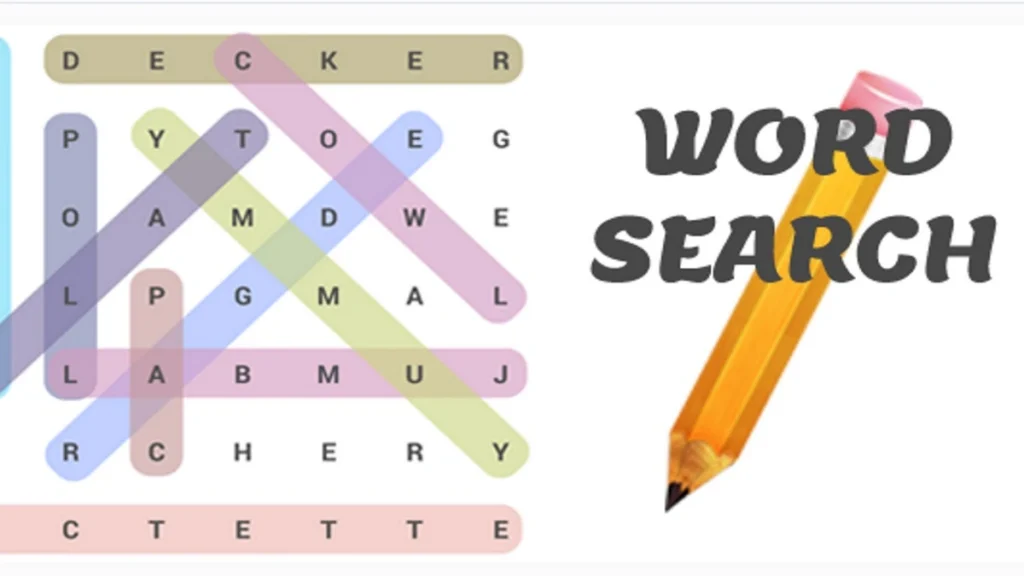
Looking for a fun, educational, and completely customizable activity for your next gathering or quiet afternoon? Learning how to make a word search at home is one of the easiest ways to create a tailored activity for any occasion. Whether you are putting together a classroom exercise, a birthday party activity, or a personal holiday gift, custom word puzzles offer endless entertainment for all ages.
Fortunately, building your own puzzle sheet does not require advanced graphic design skills or expensive software. With a few simple supplies, a thoughtful list of vocabulary terms, and a clear grid layout, you can design a high-quality game piece from scratch. Therefore, this step-by-step guide will walk you through the entire creative process, from selecting themes to drafting a clean, solvable layout.
The Endless Benefits of Handcrafted Word Games
Designing a diy word search offers unique advantages over generic, store-bought activity books. When you build a puzzle yourself, you have total control over the difficulty level, grid size, and specific vocabulary included.
For young learners, a word search for kids diy project serves as an exceptional educational tool. Specifically, it reinforces correct spelling, expands vocabulary, and strengthens pattern-recognition skills. For adults, solving a custom word search filled with personal inside jokes, family names, or niche hobby terms turns a simple game into a thoughtful, nostalgic keepsake. Consequently, it creates a bridge between simple entertainment and meaningful human connection.
Brainstorming Themes and Crafting Your Vocabulary List
Before drawing your grid lines, you need to establish a strong central theme and curate your word list. Having a clear topic makes the puzzle more cohesive and enjoyable to solve for everyone involved.
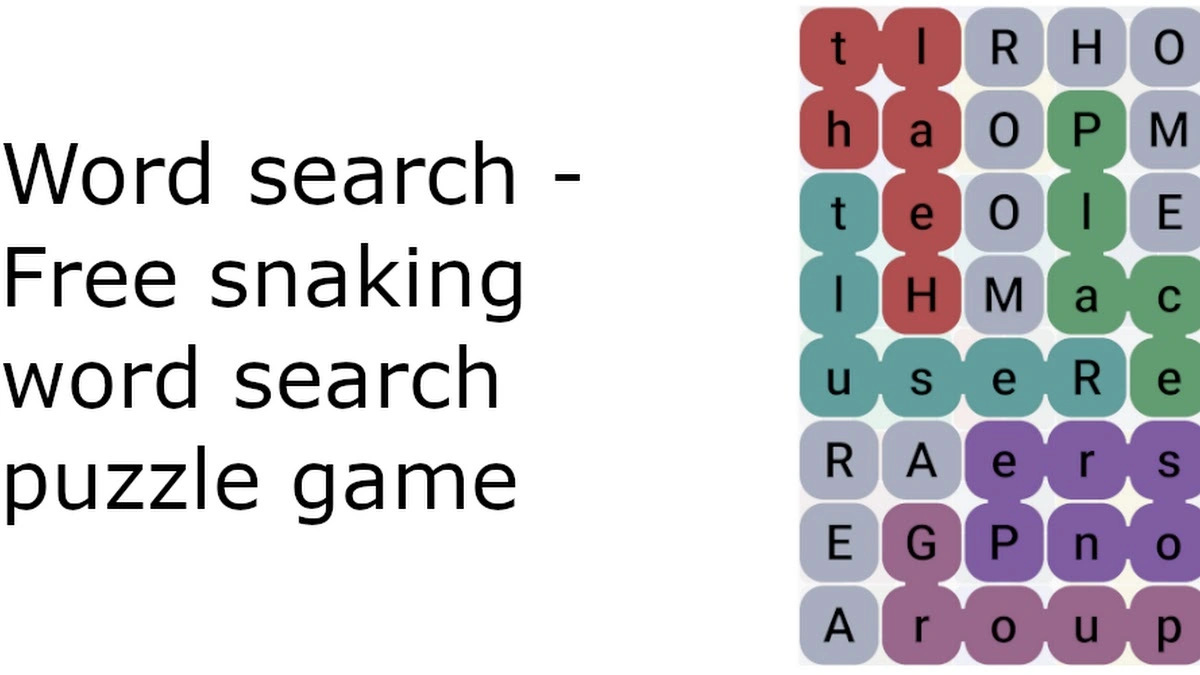
Choosing an Engaging Theme
You can adapt a diy word puzzle for almost any event or interest. For instance, consider these popular thematic directions:
-
Family Reunions and Anniversaries: Use ancestral hometowns, maiden names, favorite family recipes, and memorable vacation spots.
-
Birthday Parties: Feature the guest of honor’s favorite movies, hobbies, pet names, and dream travel destinations.
-
Classroom and Holiday Themes: Focus on seasonal vocabulary, science terms, historical figures, or upcoming book chapter topics.
-
Game Night Icebreakers: Build a grid around pop culture trivia, classic sitcom characters, or favorite board games.
Building a Balanced Word List
Select 10 to 20 words for your puzzle. Keep the word length varied, balancing shorter three-letter words with longer eight-to-ten-letter challenge words.
Double-check the spelling of every word on your master list before placing letters onto the grid. A single spelling error can render a word impossible to find, causing unnecessary frustration for your players.
Step-by-Step Guide: How to Create Your Grid Layout
Once your vocabulary list is ready, you can assemble the physical game board. Follow these structured steps to ensure your layout is clean, balanced, and fun to solve.
Step 1: Draw the Grid Frame
Start by drawing a square or rectangular grid on a piece of graph paper or dot-grid journal paper. A 10×10 or 12×12 grid works best for beginners and younger children. Meanwhile, a 15×15 or 20×20 grid provides a satisfying challenge for adults.
Using pre-lined paper ensures all your letter boxes remain uniform in size. However, if you prefer a digital setup, you can set up a simple table in a word processor to generate a printable word search diy sheet.
Step 2: Place Your Hidden Vocabulary Words
Always write your hidden words into the grid before filling in the empty spaces. Place your longest or most important words first, spreading them evenly across different sections of the grid.
To adjust the difficulty, vary the directions in which words run:
| Placement Direction | Difficulty Level | Recommended Player Age |
| Horizontal (Left-to-Right) | Very Easy | Young Children (Ages 5–7) |
| Vertical (Top-to-Bottom) | Easy | Elementary Students (Ages 8–10) |
| Diagonal (Forward) | Intermediate | Pre-Teens & Teens |
| Reverse (Right-to-Left / Bottom-to-Top) | Advanced | Adults & Puzzle Enthusiasts |
Step 3: Fill in the Empty Distractor Squares
Once all your target vocabulary words are written in capital letters, fill in every remaining empty box with random filler letters.
To make the puzzle more challenging, use “distractor” letters near your target words. For instance, if your hidden word is “CAT,” place extra “C” and “A” letters in neighboring squares to create clever false trails for sharp-eyed solvers.
Creative Presentation Ideas for Your Word Search Craft
If you want to transform a basic paper sheet into a memorable gift or decor piece, consider these creative physical build formats:
The Reusable Dry-Erase Board
Instead of printing single-use paper sheets, write your grid onto a framed whiteboard or laminate a printed paper copy. Provide colorful dry-erase markers so guests can solve the puzzle, erase their marks, and let the next person try. As a result, this eco-friendly setup works wonderfully for party stations or classroom activity tables.
The Giant Wall Poster
For large group gatherings, draw a giant version of your grid on a piece of poster board or butcher paper. Hang it up on a central wall and let guests hunt for words together throughout the event. Consequently, this collaborative approach turns a solo game into an interactive party centerpiece.
Deep Dive: Advanced Techniques for Puzzle Crafting
If you want to take your word search craft to an expert level, you can introduce special hidden rules. These subtle design tweaks elevate the experience from a standard activity sheet into a memorable, multi-layered brain teaser.
Creating a Secret Hidden Message
One of the best ways to delight your players is to incorporate a secret hidden message into the unused grid squares. Normally, distractor letters are completely random. However, in a secret message puzzle, the leftover letters spell out a hidden phrase when read from top to bottom, left to right.
To achieve this, design your word grid and place all your target vocabulary words first. Then, count the exact number of empty squares remaining on the page. Draft a secret message that contains that exact number of letters. Finally, fill the empty squares sequentially with your message text instead of random letters. When players finish circling all the list terms, the un-circled letters will reveal your hidden note.
Thematic Shape Grids
Who says a word grid must always be a rigid square or rectangle? You can easily alter the outer boundary of your grid to match your event theme. For example, you can block out certain outer squares to create a grid shaped like a Christmas tree, a heart, a pumpkin, or a birthday cake.
To build a shaped grid, simply draw the outer silhouette of your desired object on graph paper first. Next, cross out all the squares that sit outside your outline. Finally, place your vocabulary terms exclusively within the interior squares of your shape. This visual touch adds instant charm to any homemade word search project.
Instructional Strategies for Classroom Use
Teachers and educators frequently utilize custom puzzles to make learning more interactive. When you create word search puzzle sheets for a classroom setting, you can align the activity directly with your current lesson plans.
Vocabulary Reinforcement
When introducing complex vocabulary terms in subjects like science or history, a puzzle helps students become familiar with proper spelling and letter sequences. Instead of giving students the exact word list at the bottom of the page, provide definition clues instead. For example, rather than listing the word “PHOTOSYNTHESIS,” write the clue: “The process by which green plants use sunlight to synthesize foods.” Students must first figure out the correct word before searching for it in the grid.
Foreign Language Learning
Language teachers can use a diy word puzzle to build vocabulary recognition in Spanish, French, German, or any other language. You can list the target vocabulary words in English at the bottom of the page, but hide their foreign language translations inside the grid. This forces students to actively translate each term in their head while searching for the correct spelling.
Hosting a Word Search Race at Parties
A custom puzzle does not have to be a quiet, sedentary activity. In fact, you can easily turn a custom word search into a high-energy competition for birthday parties, bridal showers, or corporate team-building events.
Individual Speed Trials
Print out a copy of your custom puzzle for every guest at the event. Keep the sheets face down on the table until you announce the start of the race. Set a timer on your phone and offer a fun prize for the first three players who find every single hidden word. To add extra excitement, award a bonus prize to whoever discovers the secret hidden message first.
Team Relay Race Format
For larger groups, hang two or three identical giant poster-board puzzles at the front of the room. Divide your guests into competing teams and line them up at the back of the room. When the game begins, one member from each team runs up to their board, circles a single word, hands the marker to the next teammate, and runs back. The first team to successfully locate and circle all the hidden terms wins the relay challenge.
Technical Layout Optimization and Quality Checks
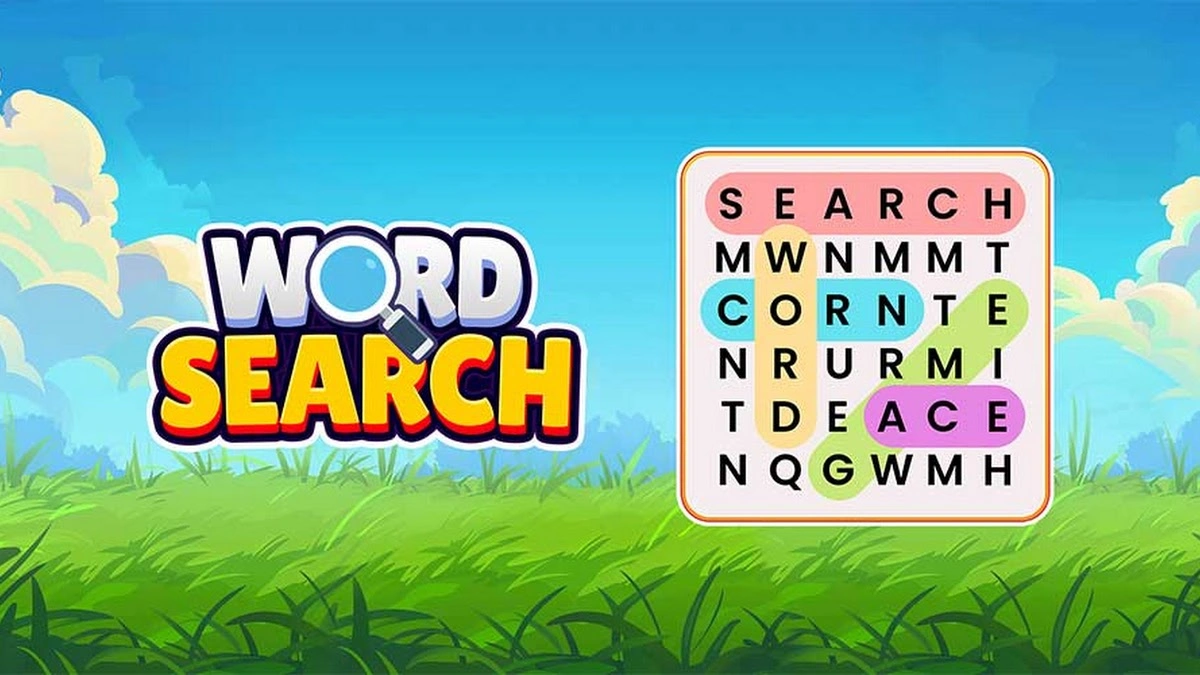
To ensure a smooth solving experience, keep these practical formatting tips in mind:
-
Font Choice: Use clean, uppercase sans-serif letters (such as Arial or Helvetica) so letters like “I”, “L”, and “T” are clearly distinguishable.
-
Word List Display: Print the target word list clearly at the bottom or side of the grid, organized alphabetically for easy tracking.
-
Answer Key: Keep a copy of your grid with the target words highlighted before adding the distractor letters. This makes verifying answers quick and effortless during the event.
Comprehensive Materials Checklist for Handcrafted Puzzles
Before starting your project, gather these recommended supplies to ensure a smooth crafting session:
-
Drafting Paper: Blue-lined graph paper or dot-grid journal pages for easy alignment.
-
Inking Pens: Fine-tip black gel pens for drawing clean grid lines and crisp lettering.
-
Ruler: A sturdy metal or clear acrylic ruler to keep all outer boundaries straight.
-
Erasers and Correction Tape: High-quality white erasers to clean up drafting lines.
-
Backing Sheets: Heavy cardstock or poster board for durable presentation pieces.
-
Lamination Pouches: Optional clear laminating sheets to turn your paper crafts into reusable dry-erase activities.
Conclusion
Learning how to make your own word search is a rewarding, low-cost craft that adds a personalized touch to any gathering. From selecting meaningful vocabulary to designing a crisp visual layout, every step allows you to craft an engaging experience for your friends, family, or students.
In short, gather your topic ideas, draft your grid, and create a custom puzzle for your next event. For more brain teasers, interactive word games, and creative craft ideas to keep your mind sharp, be sure to visit riddlepuzzle.
Frequently Asked Questions
What is the ideal grid size when I create word search puzzle layouts for kids?
For young children (ages 5 to 8), a 10×10 grid containing 8 to 10 short words is ideal. This size keeps the puzzle manageable and prevents visual fatigue, allowing young players to complete the activity with confidence.
Can I overlap words in a homemade word search grid?
Yes, overlapping words at shared letters is an excellent way to save grid space and increase difficulty. Just ensure that the intersecting letter is identical in both words so the grid remains completely accurate.
How do I make a word search without drawing grids manually?
If you want to skip manual drafting, you can use a digital word search maker craft tool or standard spreadsheet software. Simply type your words into table cells, fill empty cells with random letters, and hide the grid borders before printing.
How many words should I include in a standard adult word search?
Based on available data, a standard adult puzzle on a 15×15 or 20×20 grid works best with 15 to 25 words. This provides a satisfying 15-to-30-minute challenge without cluttering the page.