Traditional loyalty programs are losing their edge. Static punch cards and simple cash-back setups no longer keep customers coming back. Today, consumers expect interactive, rewarding experiences. That is where loyalty program gamification comes in.
By injecting game mechanics like points, badges, progress bars, and tiered status into your customer retention strategy, you transform routine purchases into an engaging journey. A well-designed gamified loyalty program drives repeat visits, increases average order value, and turns casual buyers into brand advocates.
In this guide, we will unpack real-world loyalty gamification examples, break down effective loyalty game mechanics, and share actionable loyalty gamification ideas you can implement for your business.
What is Loyalty Program Gamification and Why Does It Work?
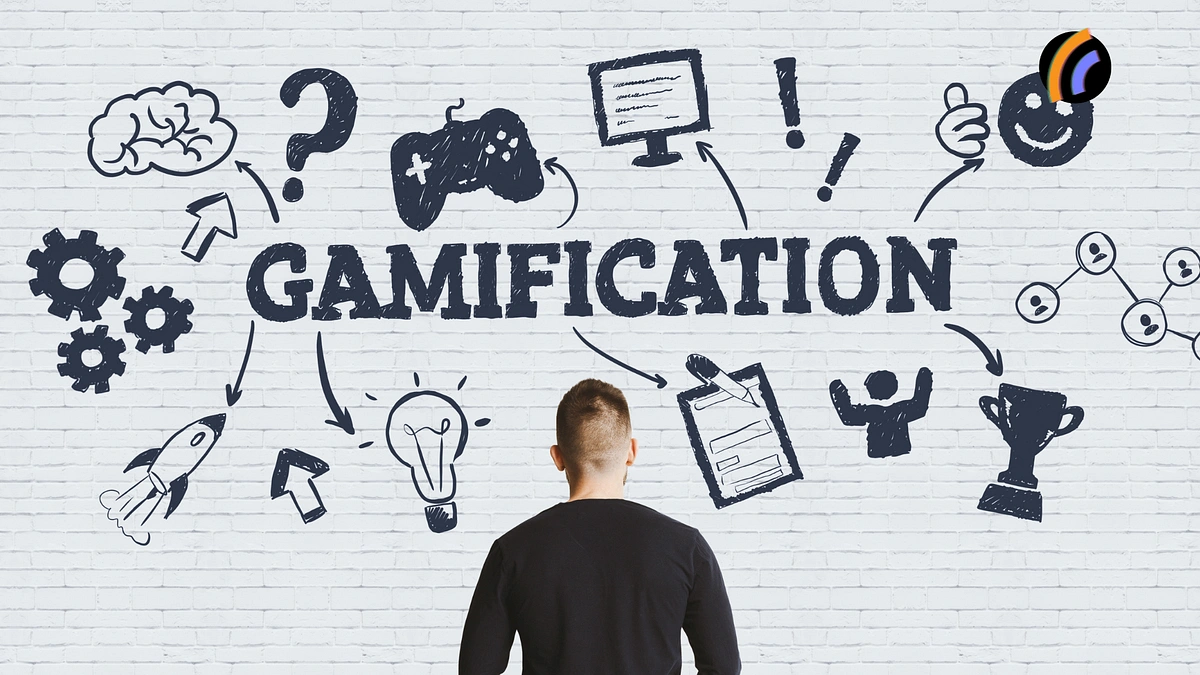
Gamification loyalty marketing is the practice of applying game design principles to traditional customer retention programs. Instead of passively earning a discount after spending a fixed amount, customers participate in interactive challenges, unlock achievements, and climb competitive tiers.
This strategy taps directly into core human psychology:
-
Dopamine Hits: Unlocking a badge or completing a progress bar triggers a feeling of accomplishment.
-
Loss Aversion: Customers work hard to maintain streaks or status tiers to avoid losing exclusive perks.
-
Status and Recognition: Tiered systems satisfy the desire for prestige and social standing.
When you turn transactions into milestones, buying from your brand becomes an enjoyable habited loop.
Key Business Benefits of a Gamified Loyalty Program
Switching to rewards gamification delivers clear financial and strategic advantages over standard reward schemes.
1. Higher Customer Lifetime Value (CLV)
Gamified experiences give customers reasons to engage beyond immediate transactional needs. By rewarding non-purchase behaviors like leaving reviews, completing profiles, or sharing content, you build long-term brand affinity.
2. Boosted Purchase Frequency
Time-sensitive challenges and streak mechanics encourage buyers to make purchases sooner rather than waiting.
3. Deeper Zero-Party Data Collection
Customers gladly share preferences, birth dates, and lifestyle habits through interactive quizzes and surveys when rewarded with points or progress boosts.
4. Organic Social Advocacy
Engaging challenges prompt users to share their achievements and tier status across social media platforms, providing free peer-to-peer marketing.
Top Loyalty Game Mechanics Explained
To build a high-performing program, you must mix and match the right loyalty game mechanics. Here are the foundational elements used by top brands:
-
Points Program Gamification: Users earn digital currency (stars, coins, points) for making purchases, writing reviews, or celebrating birthdays.
-
Tiered Rewards Gamification: Multi-level structures (such as Bronze, Silver, Gold) offer increasingly valuable perks as members climb higher.
-
Streak Mechanics: Users keep a counter active by engaging daily or weekly, creating strong daily retention habits.
-
Mystery & Chance Mechanics: Spin-the-wheel overlays, digital scratch cards, or mystery boxes introduce excitement and surprise.
Best Loyalty Programs Gamified: 5 Real-World Examples
Analyzing the best loyalty programs gamified reveals how industry leaders combine game mechanics with customer incentives to drive growth.
1. Starbucks Rewards: Masterclass in Points and Challenges
Starbucks built one of the most famous mobile-first loyalty programs in the world.
-
The Mechanics: Members earn “Stars” for every dollar spent. The genius lies in their personalized “Bonus Star Challenges”.
-
Why It Works: Challenges ask members to visit three days in a row or try two different menu items to unlock bonus stars. These time-limited quests turn a basic coffee run into an interactive game that alters buying habits.
2. Sephora Beauty Insider: Tiered Rewards and Aspiration
Sephora’s Beauty Insider program uses tiered rewards gamification to build brand prestige.
-
The Mechanics: A three-tier model (Insider, VIB, and Rouge) based on annual spend. Higher levels unlock free shipping, exclusive event invites, and higher-value gifts.
-
Why It Works: The visible status bar in the app creates urgency near end-of-year threshold deadlines, motivating members to spend a bit more to secure Rouge status.
3. Nike Training Club & Nike Membership: Activity-Based Rewards
Nike skips simple purchase points to align gamification directly with healthy lifestyles.
-
The Mechanics: Members track workouts using Nike Run Club and Nike Training Club. Hitting fitness milestones or completing monthly run challenges unlocks exclusive product drops, early access, and customized discounts.
-
Why It Works: Tying rewards to active product usage creates an emotional brand bond far stronger than transactional discounts.
4. Duolingo: Streaks, Leagues, and Loss Aversion
While technically an educational platform, Duolingo provides one of the cleanest loyalty gamification examples in digital consumer software.
-
The Mechanics: Daily lesson streaks, visible progress bars, and weekly competitive leaderboards.
-
Why It Works: Users fight hard to protect their streak count. The threat of losing progress keeps retention high over long periods.
5. Marriott Bonvoy: Milestone Tiers in Hospitality
Marriott uses enterprise-scale tier progression to secure corporate travel loyalty.
-
The Mechanics: Members collect night stays to unlock status tiers ranging from Silver Elite to Ambassador Elite. Each tier adds perks like room upgrades, lounge access, and late checkout.
-
Why It Works: Clear visual progress indicators push business travelers to choose Marriott properties consistently over competitor brands.
Comparative Breakdown of Top Gamified Programs
| Brand | Industry | Primary Game Mechanic | Core Customer Motivator |
| Starbucks | Food & Beverage | Bonus Star Quests & Challenges | Instant gratification & free items |
| Sephora | Beauty Retail | Multi-Tier Spend Milestones | Prestige, VIP perks, & exclusivity |
| Nike | Athletic Retail | Fitness Goal Milestones | Community, achievement, & exclusive access |
| Duolingo | Consumer App | Streaks & Leaderboard Leagues | Habit formation & peer competition |
| Marriott | Hospitality | Lifetime Status Tiers | Luxury upgrades & status recognition |
5 Practical Loyalty Gamification Ideas for Your Business
You do not need a multi-million-dollar enterprise budget to implement strategic gamification. Here are five actionable loyalty program ideas you can adapt for e-commerce, local retail, or service brands.
Idea 1: The “Profile Completion” Badge Quest
Reward customers immediately for providing data. Offer 50 bonus points or a $5 coupon when they complete their account profile, add their birthday, and save their communication preferences.
Idea 2: Interactive Product Discovery Challenges
Create a digital treasure hunt or simple quiz. Ask customers to review a new product category or answer three questions to earn double points on their next order.
Idea 3: The VIP Birthday Month Wheel
Send an interactive “Spin to Win” wheel email during the customer’s birthday month. Every slice offers a prize, ensuring every subscriber feels celebrated.
Idea 4: Social Advocacy Milestones
Offer tiered badges and point boosts when users refer friends, post user-generated content on Instagram, or tag your brand on TikTok.
Idea 5: Educational Brain Teasers and Puzzles
Engage your audience’s curiosity by embedding short word games, brain teasers, or trivia challenges inside your mobile app or loyalty portal. Members who solve daily challenges earn bonus stamps toward their next reward.
Step-by-Step Guide: Designing Your Gamified Strategy
To launch a successful gamified loyalty program, follow a structured step-by-step framework.
Step 1: Align Mechanics with Desired Actions
Identify the exact customer behaviors you want to increase. If you need higher purchase frequency, focus on streaks or short-term challenges. If you want higher basket sizes, use spend threshold tiers.
Step 2: Ensure Progress is Immediately Visible
Never hide points or status levels deep inside obscure account menus. Display progress bars, point totals, and active streaks prominently on your website header and mobile dashboard.
Step 3: Balance Instant and Long-Term Rewards
A great program balances quick wins (like 10% off for signing up) with aspirational, long-term goals (like reaching Gold VIP status). Quick wins build momentum, while aspirational tiers protect long-term retention.
Step 4: Automate Communication Workflows
Set up event-triggered emails and push notifications. Notify members when they are close to unlocking a new tier, about to lose a streak, or eligible for a bonus point weekend.
Final Thoughts on Gamified Loyalty Marketing
Adding game design elements to your retention strategy completely changes how customers view your brand. By turning routine purchases into achievable goals, loyalty program gamification boosts customer engagement, drives repeat purchases, and builds meaningful customer relationships.
If you love interactive challenges, custom word games, and mind-bending brain teasers, explore the engaging puzzle tools and entertainment resources at riddlepuzzle.com. Delivering fun, memorable experiences keeps audiences coming back—whether you are designing online games or building a world-class customer loyalty program. Focus on creating clear value, celebrate your customers’ progress, and refine your game mechanics over time.
Frequently Asked Questions (FAQs)
What is loyalty program gamification?
Loyalty program gamification is the integration of game mechanics—such as points, badges, leaderboard competition, and milestone tiers—into customer loyalty software to increase user engagement and retention.
How does gamification improve customer loyalty?
Gamification taps into psychological drivers like status, competition, and goal pursuit. It turns routine shopping into an interactive experience, making customers far more likely to return.
What is the difference between points and tiered gamification?
A points system lets users accumulate currency to redeem specific rewards. Tiered gamification groups users into status levels (like Silver or Gold) based on ongoing activity, granting better permanent perks as they climb higher.
Can small businesses use loyalty gamification?
Yes. Small businesses can easily implement gamification using modern loyalty apps for platforms like Shopify, WooCommerce, or Square. Simple mechanics like digital stamp cards, birthday rewards, and VIP spend tiers work well without requiring custom code.
What is zero-party data in loyalty programs?
Zero-party data is information that customers intentionally share with a brand, such as style preferences or birth dates, usually in exchange for loyalty points or personalized rewards.