We have all done it. You open an app, slide your thumb up the screen, and breeze past dozens of identical corporate updates, flashy product shots, and try-hard ads. As a business owner or creator, breaking that hypnotic scroll feels almost impossible in today’s crowded digital space. If you want people to stop zoning out and actually talk back to your brand, you have to find a way to gamify your digital assets and make feeds more interactive.
The most straightforward way to jumpstart a dead comments section is to experiment with riddles for social media marketing. This approach turns simple browsing into an active experience that rewards curiosity.
When you slide a clever brain teaser into someone’s daily routine, you immediately change the dynamic of digital communication. They stop being a passive target for a generic advertisement and become an active participant in a shared game. This sharp pivot from thoughtless consumption to problem-solving causes a massive spike in organic user interaction.
By building marketing with riddles directly into your weekly content calendar, you switch from shouting at an audience to hosting a lively digital hangout. It gives your community a tangible reason to interact with your post rather than scrolling past.
Why Riddles Work for Social Media Engagement
Our brains are fundamentally wired to hate leaving things unfinished. When we run into a semantic paradox, a word puzzle, or a mysterious narrative, a psychological switch flips inside our minds. We feel a strong internal urge to dig out the answer and find a logical conclusion to the problem. Academic researchers often refer to this phenomenon as the psychological information gap theory, which explains the deep curiosity triggered when a piece of a story goes missing.
Deploying customized engagement riddles social media updates leverages this exact cognitive quirk to your business’s advantage. The moment a consumer cracks your puzzle, they experience a sudden rush of chemical satisfaction. That quick win feels great, and their brain subconsciously links that positive emotion directly to your business name.
That positive experience drives real, measurable actions. People love proving they are the smartest person in the room, so they will type out their answers in your comments. They will tag their best friend to see if they can crack it faster, or share the image to their own stories. This organic, multi-layered activity is exactly what platform algorithms look like when deciding which profiles deserve a wider reach.
The Benefits of a Puzzle Posts Strategy
Leaning into a dedicated puzzle posts strategy gives you a massive advantage over competitors who rely solely on static product images. It is a completely free way to supercharge your reach without burning your budget on paid ads.
Longer Dwell Time
Dwell time tracks the exact number of seconds a user stays on your post. If someone reads a basic graphic, they leave in two seconds. A clever riddle forces them to sit, stare, and think for 30 to 60 seconds. Platforms notice this hesitation and assume your content is highly valuable.
Exploding Comment Sections
Most business profiles suffer from high double-digit likes but zero comments. A puzzle posts strategy fixes this issue because a puzzle requires a written reply to play. A high ratio of comments to likes signals to the platform that your community is alive and talking.
Unforgettable Brand Identity
Nobody remembers a standard corporate banner ad they saw on Tuesday morning. However, they absolutely remember a tricky riddle that stumped them for a full minute. By forcing users to think, you guarantee they will remember your business name down the road.
How to Create the Perfect Marketing Riddle
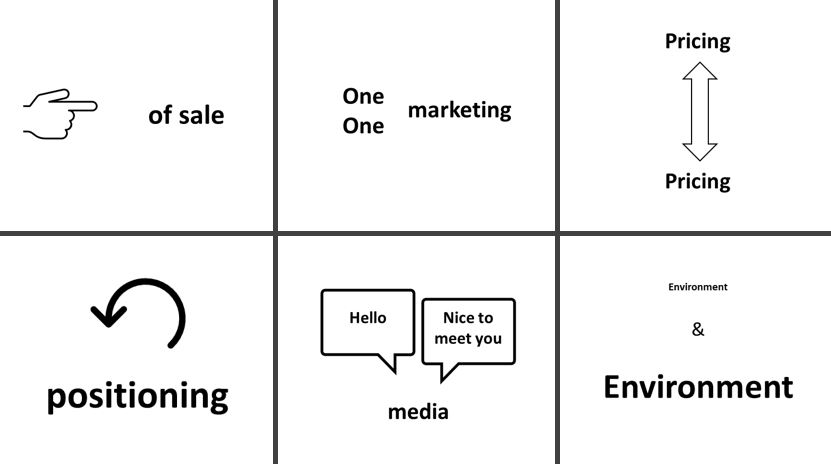
To hit home with marketing with riddles, your puzzles must meet a few strict rules. If a brain teaser is too simple, adults feel insulted and skip it. If it is an absolute nightmare to solve, they get frustrated and swipe away. You need to hit the sweet spot.
1. Speak Your Industry’s Language
Your puzzles shouldn’t feel random. They need to connect back to what you sell. If you operate a local bakery, write a riddle about proofing dough or a hidden ingredient. If you run a real estate agency, build a puzzle around a confusing floor plan or a historical architectural detail.
2. Keep the Visual Layout Clean
Do not dump a massive five-paragraph story into a dense caption block. Keep your visual graphics clean, bold, and easy to read on a compact smartphone screen. Use high-contrast colors and minimal typography so the challenge pops out instantly during a fast, thoughtless scroll.
3. Clarify the Next Social Step
Never leave your followers guessing what to do once they solve the mystery. End your caption with a direct instruction that prompts an immediate action. Use straightforward phrases like “Post your best guess below” or “Tag the smartest person you know to see if they can solve this.
4 Ways to Match Riddles with Business Goals
You can tweak your riddles for social media marketing to solve specific business bottlenecks. Puzzles are fantastic for entertainment, but they are even better for moving users through your sales funnel.
| Business Goal | Puzzle Blueprint | Real-World Application |
| Launch a Product | The Feature Teaser | Write a riddle detailing the secret benefits of an upcoming item to build community hype before launch day. |
| Collect Email Leads | The Gatekeeper | Post a great riddle on your feed, but make users click your bio link or visit a landing page to see the solution. |
| Market Research | The Choice Matrix | Design a visual logic puzzle where solving it requires choosing between your two highest-selling services. |
| Drive Web Traffic | The Cliffhanger | Share the setup of a fascinating mystery on Facebook or Instagram, and send people to your blog for the conclusion. |
Best Practices for Different Social Media Platforms
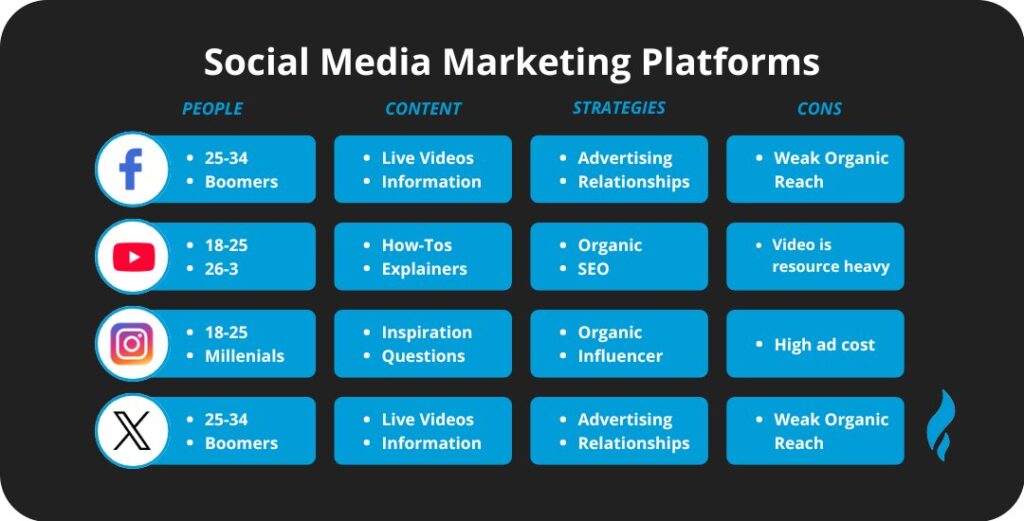
Every application attracts a completely different mindset and user demographic. If you want your engagement riddles social media campaign to succeed, you have to adapt your tone for each specific network feed.
Instagram and Facebook
These spaces thrive on visual storytelling. High-quality image tiles, multi-slide carousels, and short video loops work perfectly here. Try putting the riddle on the first slide of an Instagram carousel and your call to action on the second.
To keep people coming back, tell your audience you will reveal the correct answer in your stories or pinned comments exactly 24 hours later. This keeps the loop open and pulls traffic back to your page a second time.
X (Formerly Twitter)
X is fast, chatty, and entirely text-driven. Short, punchy word riddles dominate this space. Utilize the native poll feature to give your followers four quick multiple-choice answers. This removes all friction, allowing passing users to cast a vote with a single tap while sitting on the train or waiting in line.
Since LinkedIn is a strict professional network, your puzzle posts strategy needs an executive upgrade. Swap out simple wordplay for complex logic puzzles, financial brain teasers, or project management riddles. Frame them as exercises in critical thinking or corporate strategy, which professionals love to solve publicly to showcase their intellect.
Step-by-Step Guide to Launching Your First Riddle Campaign
Do not just throw a random riddle online when you run out of content ideas. Treat your riddles for social media marketing like a real product launch to get the highest return on your time.
Step 1: Establish a Primary Goal
What do you actually want from this post? Are you chasing 50 website clicks, 100 comment replies, or a surge in profile saves? Nailing down your goal changes how you write the final call to action.
Step 2: Run a Sandbox Test
Never post a riddle without checking its difficulty curve first. Send your draft to three friends or a coworker. Watch their expressions closely. If they look blank for two minutes, your puzzle is too obscure. If they solve it in two seconds, add a clever twist to make it challenging.
Step 3: Build the Visual Content
Open up a design app and build a high-contrast graphic. Keep the font size large, bold, and incredibly clean. If a user has to squint to read your puzzle on a mobile phone screen, they will skip it without a second thought.
Step 4: Manage the Comment Stream
Once your post goes live, stick around to manage the community. Do not just drop the puzzle and vanish into thin air. Spend the first few hours chatting with everyone who guesses. Use encouraging lines like “So close!” or “You are on the right track, look closer!” to keep the momentum going and encourage the platform algorithm to push your post higher.
Tracking Your Campaign Success
To verify that marketing with riddles is actually moving the needle for your business, you need to check your analytics tab every single week. Look past surface-level vanity metrics like likes and focus on data that proves real human connection.
Keep an eye on your comment growth rate to see if your audience is warming up and talking more. Watch your share metrics to see if your puzzles are high-quality enough that people want to show them off to their friends. Most importantly, track your bio link clicks to make sure that social engagement is translating into actual website traffic.
Common Mistakes to Avoid
While interactive content is an incredible tool, a messy execution can quickly annoy your audience or leave your feed completely silent.
Do not make your riddles intentionally frustrating or unfair. If the solution relies on a bizarre piece of trivia nobody knows, users feel cheated. The best puzzles make people say, “Ah, I should have seen that!” the second they read the answer.
Never ignore your community. The core reason to try engagement riddles social media tactics is to start conversations. If a customer takes twenty seconds out of their day to write a guess, ignoring them looks lazy and cold.
Lastly, do not turn your entire feed into a game show. If you post riddles seven days a week, the novelty dies out fast. Based on available data from digital marketing campaigns, alternating two puzzle posts per week alongside your regular educational content hits the perfect balance. A varied puzzle posts strategy keeps your audience on their toes without overwhelming them.
Conclusion
Integrating riddles for social media marketing is one of the most effective ways to break through online noise, stretch your organic reach, and build a genuinely talkative community. By stepping away from boring, repetitive sales pitches and moving toward active marketing with riddles, you give your community a real reason to stick around your profile.
Commit to steady, high-quality interactive audience builders to cut through sudden algorithm updates and build deep, memorable brand recall. If you need a massive vault of word games, brain teasers, and logic puzzles to inspire your next social media post, go explore the incredible library at Riddlespuzzle. Start brainstorming your first puzzle today and watch your user engagement numbers take off.
Frequently Asked Questions
How long should a social media riddle be?
Keep it under three sentences. Social media users have zero patience for long setups. If your puzzle cannot be read and fully processed in under fifteen seconds, edit it down.
Can serious B2B brands use marketing with riddles?
Yes, absolutely. Industrial, legal, or financial brands can post high-level logic puzzles or industry case-study riddles. It breaks up boring corporate feeds and shows your team has a human side.
Should I give away prizes to the winners?
You can use giveaways occasionally for a massive viral push, but you do not need them for daily content. The psychological urge to solve a mystery and prove you are right is already a massive incentive for most people.
Where can I find infinite inspiration for new riddles?
Look at your daily business operations. Turn common industry mistakes, bizarre customer misunderstandings, or fun history facts about your niche into guessing games. You can also look at specialized puzzle platforms to analyze classic mechanics that you can easily reskin for your industry.