Quick Answer: Are expensive electric pruning shears worth it?

It depends. For homeowners who prune a few shrubs twice a year, a premium battery-powered shear is usually money poorly spent, and a good pair of manual bypass pruners will do the job for a fraction of the cost. The math flips for orchard and vineyard owners, landscape crews, and anyone whose hands ache after twenty minutes of squeezing.
Cheaper cordless models exist, but they tend to cut thinner branches, run hotter, and lack replaceable blades. Before buying, compare cut capacity, battery platform compatibility, weight, blade replacement options, warranty length, and the real volume of cutting you do in a season.
Why the Price Gap Feels So Wide

Walk into any garden center and you will see manual bypass pruners for the price of a decent lunch and cordless electric models for the price of a used bicycle. That gap surprises people, and it deserves an honest explanation rather than a shrug.
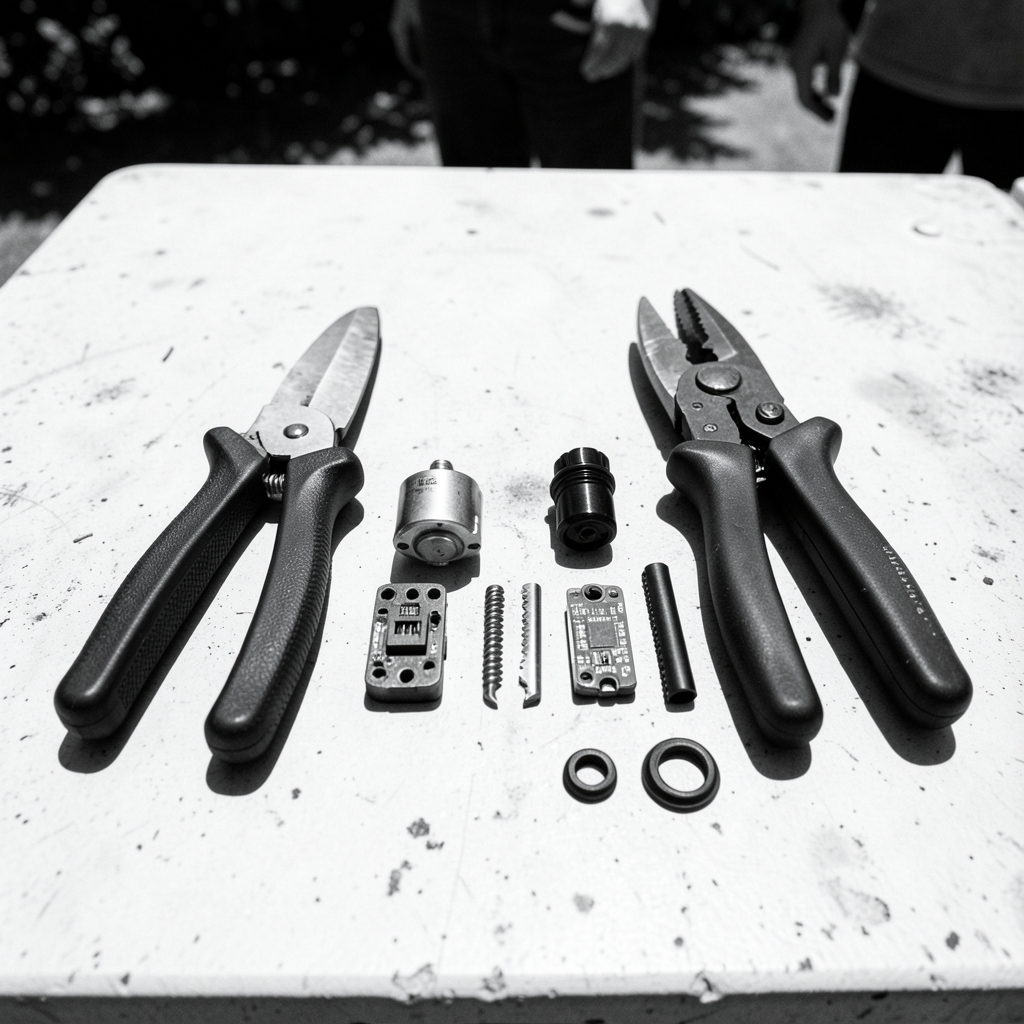
Electric pruning shears pack a motor, a gearbox, a battery, a control board, and a safety trigger into something you hold in one hand all afternoon. Every one of those parts has to survive dirt, sap, rain, and being dropped on concrete. The expensive models spend their extra money on brushless motors, hardened blades that can be swapped out, better seals, and batteries that hold their charge across hundreds of cycles.
The cheap ones cut corners somewhere. Often it is the blade steel, which dulls fast and cannot be replaced, turning a working tool into scrap. Sometimes it is the trigger mechanism, which develops a mushy feel after a season. Understanding where the money goes is the first step toward deciding whether you want to pay for it.
The Real Value Proposition: Hands, Wrists, and Time
Manufacturers sell powered shears on ergonomics and speed, and that pitch is not nonsense. Repetitive squeezing of manual pruners is exactly the kind of motion that produces sore hands, aching forearms, and in serious cases, strain injuries. Anyone who has spent a full day thinning an apple tree knows the feeling.
Powered shears replace hand squeeze with a trigger pull, and the motor does the cutting. For high-volume work, that translates into less fatigue and more cuts per hour. The catch is weight. Battery and motor add grams that manual pruners never carry, and over a long session that extra weight can offset some of the ergonomic gain.
Independent ergonomic studies specific to electric pruners are scarce, so treat the health claims as plausible rather than proven. What is well established is that repetitive strain is a genuine occupational concern in gardening and agriculture, and that reducing force per cut is a sensible way to manage it.
Cut Capacity: The Spec That Actually Matters
Every cordless pruner lists a maximum cut diameter, and this number tells you more about the tool than any marketing slogan. Most models handle branches in the 25 to 40 mm range, roughly one to one and a half inches, depending on the model and battery.
That range covers a lot of real-world pruning: fruit spurs, young wood, hedge stems, and the smaller branches on ornamental trees. It does not cover the thick limbs that need a lopper or a pruning saw, and no electric shear will replace those tools.
A common mistake buyers make is assuming a higher price automatically means a bigger cut. It does not. Some premium models are built for precision and speed on thin wood rather than brute capacity. Check the stated maximum diameter against the thickest branch you actually cut, and be honest with yourself about it.
Cheap Versus Premium: Where the Differences Show Up
| Feature | Budget cordless shears | Premium cordless shears |
|---|---|---|
| Cut capacity | Often 20–25 mm | Typically 30–40 mm |
| Motor | Brushed, prone to heat | Brushless, cooler and longer-lived |
| Blades | Fixed, sharpen-only | Replaceable, sometimes hardened |
| Battery system | Proprietary, hard to replace | Often shared with brand’s tool platform |
| Weight | Lighter, but less robust | Heavier, better balanced |
| Warranty | Often 1 year | Often 2–3 years on tool and battery |
| Repairability | Limited | Spare parts usually available |
The pattern is consistent: budget tools are disposable, premium tools are maintainable. That distinction matters enormously over five years of use. A tool you can re-blade and re-battery is a tool you keep.
Battery Platform Lock-In Is the Hidden Cost
Here is a factor that catches people out. Many electric pruners run on a brand’s proprietary battery system, which means the “expensive” tool may actually be the cheaper choice if you already own compatible batteries and a charger from that brand’s hedge trimmer or leaf blower.
Conversely, buying into a new platform means paying for batteries and a charger on top of the tool. That can add a meaningful chunk to the total. Before comparing sticker prices, work out the total cost of ownership: tool, battery, charger, replacement blades, and expected lifespan.
If you already own a battery platform, staying within it is almost always the smarter financial move. If you do not, consider whether you want to commit to that ecosystem for future garden tools.
Who Actually Gets Their Money’s Worth
The honest answer is that electric shears pay off in proportion to how much you cut. A rough guide:
- Occasional home gardeners pruning a handful of shrubs each spring rarely justify the spend. Manual bypass pruners are lighter, quieter, never need charging, and last decades with care.
- Serious home gardeners with fruit trees, a large hedge collection, or a big allotment start to see the benefit, especially if hand strength is a concern.
- Smallholders and semi-professional growers cutting daily during the season usually find the time savings pay for the tool within a season or two.
- Commercial orchard and vineyard operations are the clearest case. Speed per cut, reduced fatigue across a crew, and replaceable parts all compound over hundreds of hours.
Age and hand health deserve a mention too. For someone with arthritis or reduced grip strength, a powered shear can keep them gardening when manual pruners no longer work. That is a quality-of-life argument that price comparisons miss entirely.
What Actually Works in Practice
A few practical points come up again and again among people who use these tools seriously.
First, budget for the battery along with the tool. A premium shear with a weak battery is a slow shear. Check the amp-hour rating and how many cuts a charge realistically delivers.
Second, test the weight in your hand before you buy. Balance matters more than total grams. A well-balanced tool feels lighter than a lighter tool that pulls forward.
Third, keep the blade clean and sharp. Sap and resin build up fast, and a dull blade strains the motor. Wipe the blade after each session and touch it up regularly.
Fourth, do not force thick branches. If the shear stalls, the branch is too big. Reach for a lopper instead of stressing the gearbox. This single habit prevents most premature failures.
And if you enjoy the lighter side of garden life, there is a whole world of wordplay around wriggly things and sparky things, from tentacle puns to electricity riddles, which makes a pleasant break from spec sheets. Gardeners who like a good groan-worthy joke will find plenty more under puns to share over the compost heap.
Safety, Standards, and the Fine Print
Powered cutting tools deserve respect. In the EU, outdoor power equipment falls under machinery safety legislation, and in the US, outdoor power equipment standards come from bodies such as ANSI and the Outdoor Power Equipment Institute. Exact standard numbers for battery pruners vary, so check the documentation that ships with any model you consider.
Lithium-ion batteries bring their own rules. They are subject to transport and disposal regulations, including the EU Battery Regulation adopted in 2023 with phased application, and disposal guidance in the US. In plain terms: do not bin old batteries with household waste, and follow local recycling instructions.
Warranty and repairability affect total cost of ownership more than most buyers expect. Professional models often carry longer warranties and offer replaceable blades; consumer models frequently do not. Read the warranty before you buy, not after something breaks.
Common Mistakes That Waste Money
Plenty of people buy an expensive shear and end up disappointed, usually for predictable reasons.
- Buying for the branch you cut once a year. If you need a saw twice a decade, rent or borrow instead.
- Ignoring the battery platform. Ending up with three incompatible chargers is a quiet budget killer.
- Overestimating cut capacity. A 40 mm rating is a maximum, not a comfortable everyday cut.
- Skipping the spare blade. A tool with no replacement blade has a fixed lifespan.
- Storing it dirty and damp. Sap and moisture are what kill most cordless pruners early.
- Expecting silence. These tools are quieter than petrol equipment but not silent, and the trigger mechanism makes its own noise.
Avoid those six and the ownership experience improves dramatically.
A Simple Decision Framework
If you want a clear way to decide, run through these questions in order.
- How many cutting hours do you expect per year? Under ten, manual pruners are usually enough.
- What is the thickest branch you regularly cut? If it is over 25 mm, check capacity carefully.
- Do you already own a compatible battery platform? If yes, the premium tool becomes much better value.
- Do you have hand strength or grip issues? If yes, the ergonomic case strengthens considerably.
- Can you get replacement blades and batteries for the model? If not, walk away.
- Does the warranty match the price? A premium price with a one-year warranty is a warning sign.
Answer those honestly and the decision usually makes itself.
Conclusion
So, are expensive electric pruning shears worth it? For the right person, absolutely. If you cut daily, manage an orchard, or need to protect your hands from repetitive strain, a well-built cordless shear with replaceable blades and a solid battery platform earns its price many times over. It saves time, saves your wrists, and lasts long enough to justify the outlay.
For everyone else, the answer is more measured. A good pair of manual bypass pruners costs little, weighs almost nothing, never needs charging, and will outlive most power tools with basic care. Buying an expensive electric shear for a few shrubs is a solution looking for a problem.
The tool is not the point. The volume of cutting is the point. Match the spend to the workload, check the battery platform before you commit, and buy something you can maintain rather than replace. Do that, and whatever you choose will feel like money well spent.
FAQ
Do electric pruning shears really reduce hand strain?
They reduce the force needed per cut, since a motor does the cutting instead of your grip. That can meaningfully lower fatigue during long sessions. The trade-off is added tool weight, which shifts strain to the arm and shoulder. For people with grip or hand-strength issues, the net effect is usually positive.
How thick a branch can a cordless pruner cut?
Most models handle branches in the 25 to 40 mm range, roughly one to one and a half inches, depending on the model. Anything thicker should go to a lopper or a pruning saw. Forcing a shear through oversize wood is the fastest way to damage the gearbox.
Is a brushless motor worth paying extra for?
Generally, yes. Brushless motors run cooler, last longer, and need less maintenance than brushed equivalents. On a tool you plan to keep for years and use hard, the upgrade usually pays for itself. On a light-use tool, the benefit is smaller.
Can I use a battery from my other garden tools?
Only if the pruner uses the same brand’s battery platform. Many manufacturers share batteries across their tool ranges, which can make a premium pruner much better value if you already own compatible packs and a charger. Always confirm compatibility before buying.
How long do electric pruning shears last?
It varies widely with build quality and care. Budget models with fixed blades often degrade within a season or two of heavy use, while premium models with replaceable blades and serviceable batteries can run for many years. Cleaning the blade after each session and storing the tool dry makes a real difference.
Are they safe for beginners?
They are safe when used with basic care. Keep fingers clear of the blade, never cut toward your body, and let the tool do the work rather than forcing it. Read the safety documentation that comes with the model, and never store the battery attached in damp conditions.