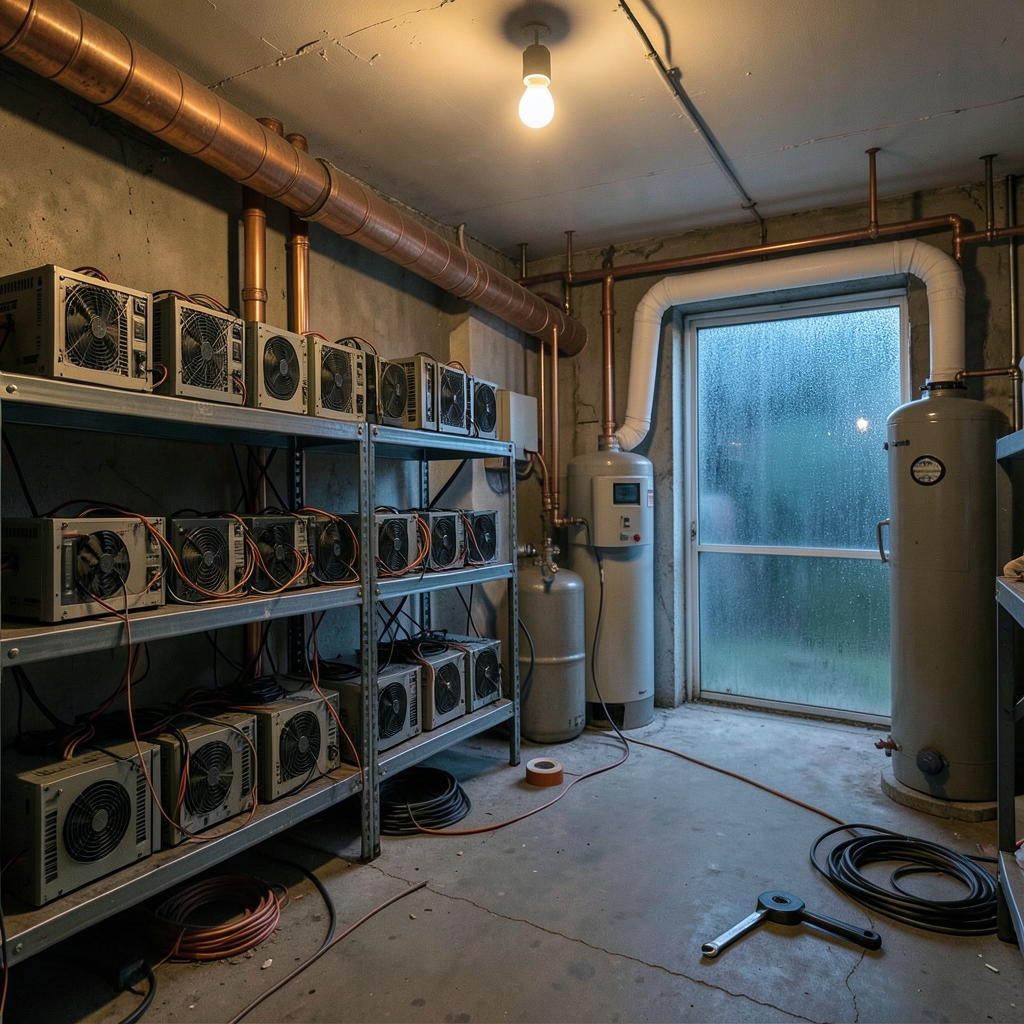
What if the heat recovery system with the biggest wattage number is actually the worst deal on the table? That happens more often than vendors would like you to know. Mining rigs throw off a lot of heat, and a growing cottage industry wants to capture it and pipe it into a building, a greenhouse, or a hot water tank. The pitches sound similar. The numbers behind them usually are not.
Comparing these systems well comes down to a handful of decisions: which metric you trust, where the heat actually goes, and what the rules require. Get those right and the shortlist shrinks fast. Get them wrong and you can spend real money recovering heat you cannot use.
Start With COP, Not Raw Heat Output
The headline number on most spec sheets is heat output in kilowatts. It is also the least useful number for comparison on its own.
The metric that matters is the coefficient of performance (COP): useful heat delivered divided by electrical energy consumed. A system that recovers 20 kW of heat but burns 4 kW running pumps and fans has a COP of 5. A smaller system recovering 12 kW on 1.5 kW of power has a COP of 8. On efficiency, the smaller one wins.
This trips people up constantly. Mining heat recovery is not free heat. You pay for circulation pumps, fans, heat exchangers, controls, and sometimes a heat pump. Every one of those draws power. A fair comparison counts all of it.
There is a second trap here. Vendors quote COP over different boundaries. Some measure chip to water. Some measure at the facility meter. Some quietly leave out the heat pump. Two systems with the same published COP can be measuring completely different things. Before you compare, ask one question: what exactly is inside your boundary? If the answer is vague, treat the number as marketing.
Grade the Heat Before You Grade the Hardware
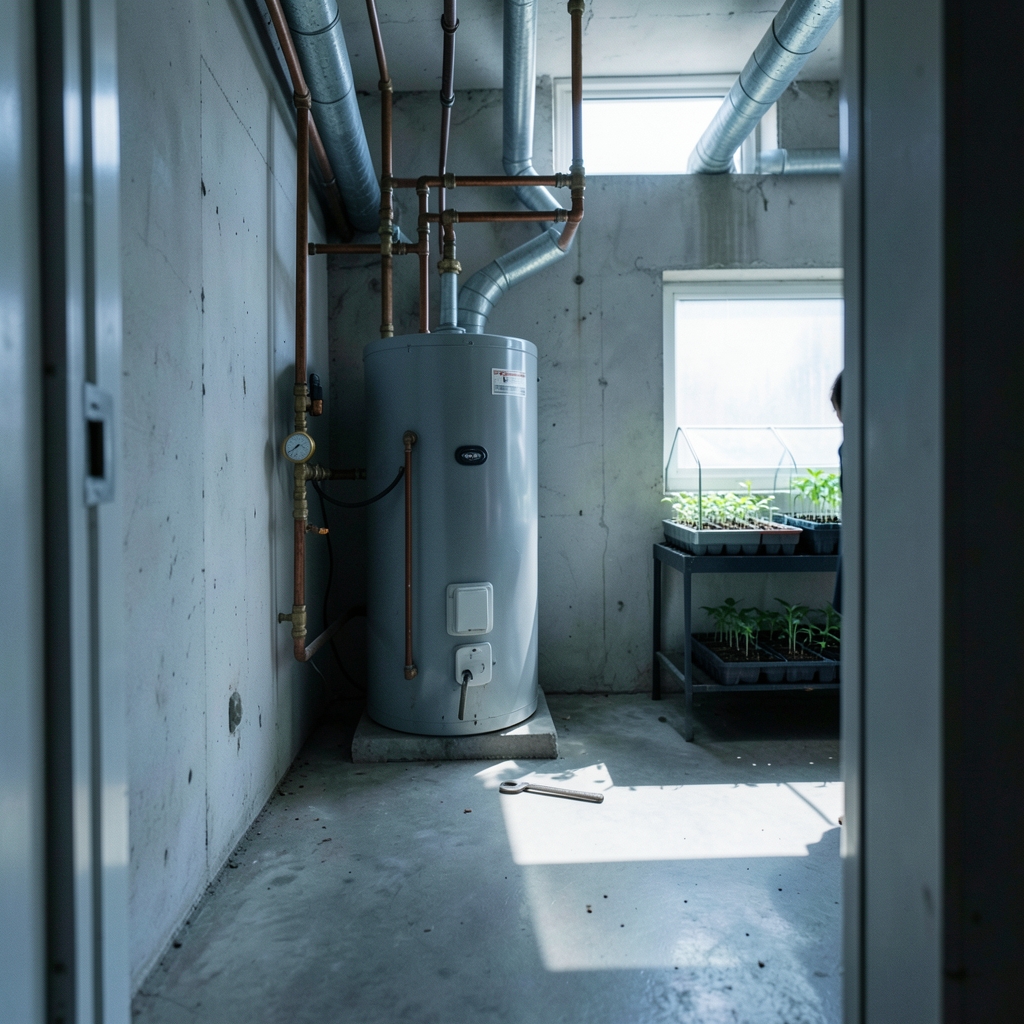
Temperature decides where recovered heat can go. This is the single most practical filter in the whole comparison.
Air-cooled ASIC exhaust typically runs somewhere around 30 to 45 °C above ambient. That is a rule of thumb, not a standard, and it varies by hardware and load. But the implication is firm: low-grade heat suits space heating, hot water pre-heat, and greenhouse use. It does not suit processes that need high temperatures.
Immersion cooling changes the picture. The heat comes off at a higher grade, which widens the range of usable applications. That extra flexibility has a cost, though, in hardware and complexity.
So build a simple match table before you look at prices:
| Heat source | Typical grade | Realistic destinations |
|---|---|---|
| Air-cooled ASIC exhaust | Low, roughly 30–45 °C above ambient | Space heating, pre-heat, greenhouses |
| Immersion cooling | Higher grade | Wider range, including hotter processes |
| Heat-pump boosted | Raised delivery temperature | Higher-temperature loads, at added power cost |
If your destination needs a temperature your source cannot reach, the system is wrong for you no matter how good its COP looks. This is where most failed projects start: someone buys recovery hardware before checking what the building can actually absorb.
Count the Heat Pump’s Power Draw
Heat pumps are the standard way to raise delivery temperature. They work. They also consume electricity, and that consumption belongs in your comparison.
The common error is comparing a heat-pump-boosted system against a direct-air system without counting the heat pump’s power draw. On paper the boosted system delivers hotter water. In practice it may use more electricity per unit of useful heat once you include the compressor.
Do the arithmetic on a like-for-like basis. Take the electrical input of the entire system, from rig fans to circulation pumps to any heat pump, and divide it into the useful heat that actually reaches the load. That single calculation will separate honest proposals from optimistic ones.
Practical tip: ask each vendor for a metered power figure for the full system at your expected load, not a calculated one. If they cannot provide it, discount their efficiency claims accordingly.
Check Whether You Are Regulated, and How
Regulation now shapes these comparisons, especially in Europe, and it cuts both ways.
The EU Energy Efficiency Directive (EU) 2023/1791, in force since October 2023, pushes data centres toward reporting and reusing waste heat. Article 26 covers data-centre sustainability reporting, and the directive applies above a size threshold that is commonly cited around 500 kW of installed IT power. That threshold figure is worth verifying against the legal text before you rely on it, because it decides whether reporting and reuse obligations apply to you at all. Below the threshold, a recovery system may be optional rather than required, which changes the whole business case.
Germany’s Energy Efficiency Act (EnE), in force since 18 November 2023, sets energy-efficiency and waste-heat requirements for data centres, including reuse obligations. It is a concrete national benchmark for what good recovery looks like. If you operate there, it is your reference point.
Two more regulatory details matter for fair comparison. The directive defines waste heat and useful heat, and it sets an efficiency primary-energy-factor of 2.1 for electricity. That factor matters when you compare electricity-driven recovery against gas heating, because it converts electricity into primary energy terms. Ignore it and you can make a heat pump look better or worse than it is. Separately, the directive requires member states to promote efficient district heating and cooling, which is the usual destination for recovered mining heat at scale. If district heating is your endpoint, your comparison must include connection cost and the network’s temperature requirements.
Finally, the energy efficiency first principle means recovery should be weighed against demand reduction first. A system that recovers heat nobody needs scores badly on that principle, no matter how elegant the engineering. Insulate the building before you size the exchanger.
Compare Total Cost of Ownership, Not Purchase Price
Purchase price is the least informative number in this market. Build a total cost of ownership model over a realistic horizon, say five years, and put every line in it.
| Cost line | What to include |
|---|---|
| Hardware | Exchangers, pumps, fans, heat pump, controls |
| Installation | Pipework, insulation, electrical work, commissioning |
| Connection | District heating hookup or building retrofit costs |
| Running cost | Electricity for pumps, fans, heat pump, at your tariff |
| Maintenance | Servicing, filter changes, downtime risk |
| Revenue or offset | Heating bill avoided, heat sold, incentives |
The running cost line is where comparisons usually break. A system with a modest COP but low parasitic load can beat a high-output system over five years. Run both scenarios at your actual electricity price. Then run them again at a price 30 percent higher, because energy prices move and your model should survive that.
Also check the carbon and tax treatment. Waste-heat provisions interact with carbon pricing and energy taxation, so recovered heat and fossil heat are not taxed or priced identically. A fair comparison accounts for that difference rather than assuming both sit on level ground.
Match the System to a Real Heat Demand
The best recovery system in the world is worthless if there is no demand at the other end. This sounds obvious and gets skipped constantly.
Before comparing hardware, map the demand. How many kilowatt-hours of heat does the building actually need across the year? What temperature does it need? How variable is that demand by season? Mining runs constantly, but heating demand does not. A system sized for peak January output will dump heat in July unless you have a summer use, a storage tank, or a buyer.
Three demand patterns work well in practice:
- Year-round hot water. Steady demand that pairs neatly with steady heat output.
- Greenhouse or horticulture. Tolerates lower grades and often needs heat across much of the year.
- District heating or a nearby heat buyer. Scales well but adds connection cost and temperature requirements.
If none of these fit, the honest answer may be that recovery is not worth the capital yet. That is a legitimate finding, not a failure. Comparing systems is easier once you accept that some sites should not buy one.
Practical Tips From People Who Have Done It
A few habits separate clean comparisons from messy ones. None of them are technical breakthroughs, but each one saves money.
Ask for metered data, not modeled data. A vendor with real installation data at your load profile is worth more than a vendor with a beautiful spreadsheet.
Normalize everything to the same boundary. Chip-to-water, facility-to-water, and meter-to-meter are different measurements. Pick one and force every proposal onto it.
Check the low-load behavior. Systems behave differently at partial load, and mining loads fluctuate. A unit that performs well at 100 percent and badly at 40 percent may be the wrong choice.
Read the maintenance terms. A heat exchanger that needs quarterly servicing in a dusty mining room has a real cost that rarely appears in the pitch.
Get the electrical work quoted separately. Pump and fan power upgrades often hide in the installation budget and surprise buyers later.
For teams comparing multiple categories of tools at once, the same discipline applies elsewhere. The logic behind comparing software options by the features that actually matter mirrors heat recovery comparisons closely: define your boundary, ignore vanity metrics, and price the running costs. The same is true when you evaluate creative tools before committing or assess development tools on features that matter: the demo flatters, the total cost tells the truth.
A Short Checklist for the Shortlist
When proposals land on your desk, run them through the same sequence every time. It takes an hour and prevents expensive mistakes.
- Confirm the heat grade matches your destination temperature.
- Recalculate COP using the full system boundary, including pumps, fans, and heat pump.
- Verify whether reporting or reuse obligations apply at your installed IT power.
- Build a five-year total cost of ownership at your real electricity price.
- Map seasonal demand and confirm a use for summer output.
- Compare carbon and tax treatment of recovered heat against fossil alternatives.
Systems that survive all six steps are genuinely comparable. Everything else is a brochure.
Conclusion
Comparing mining heat recovery systems is mostly an exercise in refusing to be impressed. Big wattage numbers, glossy COP figures, and confident pitches all fade once you apply a consistent boundary, count every kilowatt of parasitic load, and match the heat grade to a real demand. The systems that win are rarely the loudest ones. They are the ones whose numbers survive a five-year cost model and a cold January.
Start with demand, not hardware. Grade the heat before you grade the equipment. Then let COP, total cost, and the regulatory picture narrow the field. Do that, and the right system tends to announce itself.
FAQ
What is a good COP for a mining heat recovery system?
There is no universal benchmark, because vendors measure COP across different boundaries. A system measured chip to water will show a higher figure than one measured at the facility meter including pumps and a heat pump. Rather than chasing a target number, recalculate every proposal on the same boundary and compare like for like. A modest COP measured honestly beats a high COP measured selectively.
Is air-cooled or immersion cooling better for heat recovery?
It depends on where the heat needs to go. Air-cooled ASIC exhaust typically runs around 30 to 45 °C above ambient, which suits space heating, hot water pre-heat, and greenhouses. Immersion cooling produces higher-grade heat, which opens up more applications but adds hardware cost and complexity. Match the grade to the destination before choosing between them.
Do I need a heat pump to make recovery worthwhile?
Not always. A heat pump raises delivery temperature, which lets you serve hotter loads, but it adds electricity consumption that must be counted. If your destination accepts low-grade heat, a direct system with low parasitic load can outperform a heat-pump-boosted one on efficiency and cost. Run both scenarios at your actual tariff.
Does the EU Energy Efficiency Directive apply to my mining setup?
It may. Directive (EU) 2023/1791, in force since October 2023, pushes data centres toward reporting and reusing waste heat, with Article 26 covering sustainability reporting. Reporting and reuse obligations are generally tied to a size threshold, commonly cited around 500 kW of installed IT power, so verify the exact figure against the legal text. Below the threshold, recovery may be optional rather than required.
How do I calculate total cost of ownership for a recovery system?
Build a five-year model covering hardware, installation, district heating or building connection, electricity for pumps, fans, and any heat pump, maintenance, and downtime risk. Offset it against heating bills avoided, heat sold, and any incentives. Then rerun the model at a higher electricity price to check it still works.
What is the biggest mistake people make when comparing these systems?
Buying hardware before confirming a year-round heat demand. Mining runs constantly, but heating demand is seasonal, so a system sized for peak winter output can have nowhere to send heat in summer. Map the demand first, confirm a use for summer output, and only then compare equipment. (Ai coding tools features compare before you commit)




