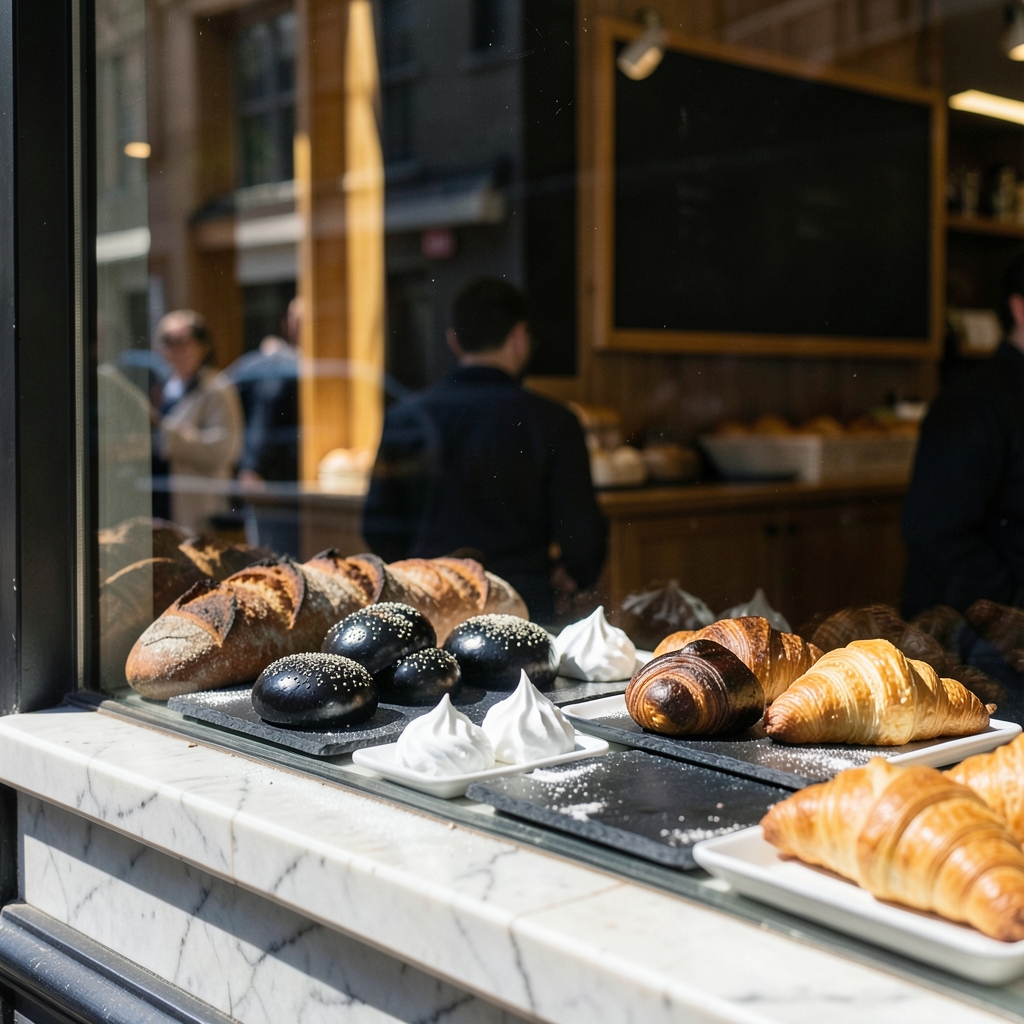
What makes a bakery name stick in a customer’s head long after the croissant is gone? Walk past a shop called “Flour Power” and you will probably smile. Walk past “Bakery No. 2” and you will probably keep walking. The difference is not luck. It is sound, meaning, and a little bit of strategy.
This guide breaks down how catchy bakery names actually work. It covers the patterns that make names memorable, the traps that make them forgettable, and the legal and practical checks that separate a fun idea from a name you can legally print on a box. Whether the plan is a sourdough microbakery, a cupcake counter, or a full-service patisserie, the naming rules are surprisingly consistent.
Why Some Bakery Names Stick and Others Fade
A catchy name does two jobs at once. It gets remembered, and it gets repeated. Sound repetition is a powerful memory aid, and cognitive psychology has studied the so-called rhyme-as-reason effect since the early 2000s. That is the tendency for rhyming or rhythmic statements to feel more true and more familiar than plain ones. A name like “Bread & Butter” or “Bun in a Million” rides that same effect.
The second job is category signaling. In many English-speaking markets, keeping the word bakery (or bakehouse, patisserie, boulangerie) in the name helps with search and wayfinding. A pun alone can be charming but confusing. A pun plus a category word is a working brand.
There is a third, quieter factor: spellability. A name that people cannot spell will not spread by word of mouth, and it will not get typed into a search bar. That single constraint kills more clever names than any trademark office ever will.
The Naming Patterns That Actually Work
Most catchy bakery names fall into a handful of repeatable patterns. Knowing the pattern helps generate dozens of options fast rather than staring at a blank page.
| Pattern | How it works | Examples |
|---|---|---|
| Baking puns | Play on dough, crust, crumb, rise, proof, knead, flour, bun, loaf, whisk, batter | Flour Power, Knead to Know, Rise & Shine Bakery |
| Alliteration | Repeat the opening sound for rhythm | Butter & Bloom, Crumb & Co., Sweet Street Sweets |
| Rhyme | Pair sounds that echo | Bun in a Million, Bread & Butter |
| Place-based | Anchor to a street, town, or neighborhood | High Street Bakes, Mill Lane Bakery |
| Surname-based | Lean on a real person’s name | Smith’s Bakery, Okafor & Sons |
| Portmanteau | Fuse two words into one | Crumbly, Doughlight |
| French or Italian cues | Signal craft or tradition | Maison du Pain, Forno & Crumb |
Puns dominate for a simple reason: baking vocabulary is unusually rich in double meanings. Dough means money. Rise means growth. Proof means evidence and also the final rise before baking. The pun writes itself, which is exactly why the field is crowded and why the execution has to be sharp.
How to Generate Names Without Staring at a Wall
The fastest way to a shortlist is to work in rounds, not in one long brainstorm. A practical sequence looks like this:
- List the sensory words. Crust, crumb, steam, butter, sugar, yeast, rye, sour, warm, golden. These are the raw materials.
- List the verbs. Knead, proof, rise, fold, bake, whisk, sift, roll. Verbs make names feel active.
- Pair them with a modifier. Warm Crumb, Golden Fold, Slow Rise, Little Sift.
- Test the pun stem. Take dough, crust, and rise and force ten variations each, even bad ones. Bad ones often lead to good ones.
- Add the category word. Decide whether “Bakery,” “Bakehouse,” or “Patisserie” belongs in the name or just in the tagline.
- Read every candidate aloud. If it trips the tongue, cut it.
The read-aloud test is the one step people skip, and it is the one that matters most. A name that sounds clumsy on a phone call will sound clumsy in every customer’s mouth for years. For readers who enjoy wordplay as a craft, there is a whole genre of humor-driven naming to borrow energy from, including lists of funny inappropriate names that show how far a joke can be pushed before it breaks.
The Mistakes That Sink Otherwise Good Names
First-hand experience from the naming trenches points to a short list of repeat offenders. These are the mistakes that show up again and again, and each one can be avoided with a five-minute check.
Spelling traps. A name that requires spelling out loud on every order is a tax on the business. Unusual spellings feel distinctive to the owner and exhausting to everyone else.
Puns that need explaining. If the joke requires a sentence of setup, it is not a name. It is a riddle. The best puns land instantly, like “Knead to Know.”
Names that box you in. “Just Cupcakes” is a great name until the day the shop starts selling bread. Leave room to grow.
Trend-chasing. Naming a bakery after a food trend dates it. Naming it after a place, a person, or a timeless pun does not.
Ignoring the legal side. A name that cannot be trademarked or registered is not a name. It is a placeholder. More on that below.
Forgetting the digital footprint. If the matching domain and social handle are taken by an unrelated business, the name gets harder to find. Check availability before falling in love.
The Boring but Required Checks
Catchiness and legality are different tests, and a name has to pass both. In the United States, the Lanham Act of 1946 governs trademarks. Descriptive or generic bakery terms receive weak protection, while arbitrary or fanciful names receive strong protection. The primary reference for how the USPTO evaluates names is its Trademark Manual of Examining Procedure, which explains descriptiveness and distinctiveness standards.
Business-name registration is a separate step. Registering an LLC or corporation name at the state level grants no trademark rights at all. In the UK, the equivalent registration goes through Companies House, which publishes guidance on restricted and sensitive words. Owners in either country who assume registration equals protection are in for an unpleasant surprise.
Some words are regulated outright. In France, boulangerie and pain de tradition française have legal definitions set by a 1993 decree, so a shop cannot casually claim them. In the US, “artisan” has no legal definition, which means it is free to use and therefore nearly meaningless as a differentiator. Before printing signage, check the current rules in the relevant jurisdiction. Legal points vary by country and change over time.
Where Catchy Crosses Into Memorable
The best bakery names borrow techniques from other naming worlds. Sports teams, friend groups, and even towns have spent decades figuring out how to be funny and unforgettable at the same time. A bakery owner looking for fresh angles can study how others do it: the energy behind funny team names translates surprisingly well to a counter-service shop, and the playful in-jokes behind creative names for friend groups show how a name can build belonging rather than just describe a product.
Pet naming offers another lesson in warmth. The same instinct that produces a beloved funny pet name for a dog or cat produces a bakery name people repeat with affection. The pattern is consistent: short, sound-driven, slightly silly, and easy to say. Even place names get in on the act, as the double takes inspired by funny city names demonstrate. A bakery name can borrow that same “wait, really?” charm, as long as it stays clear enough to find on a map.
Matching the Name to the Kind of Bakery
A name should fit the shop’s actual personality. A neighborhood sourdough counter and a wedding-cake studio need different tones.
| Bakery type | Tone that fits | Name directions |
|---|---|---|
| Neighborhood bakery | Warm, plain, human | Mill Lane Bakes, Smith’s Bakery, Warm Crumb |
| Artisan sourdough | Craft, slow, earthy | Slow Rise, Wild Yeast Co., The Long Proof |
| Cupcake or dessert shop | Playful, sweet, bright | Bun in a Million, Sugar Sift, Whisk & Wonder |
| Patisserie | Refined, French-leaning | Maison du Pain, Petite Crust, Belle Farine |
| Gluten-free specialist | Clear, reassuring, modern | Free Crumb, The Gentle Loaf, Open Oven |
The table is a starting point, not a rulebook. What matters is that the name and the shop tell the same story. A rustic name on a sleek minimalist storefront creates a small, nagging disconnect that customers feel even if they cannot name it.
Testing a Name Before Committing
Before ordering signage, run a simple three-part test.
- The phone test. Say the name out loud as if answering the phone: “Good morning, Slow Rise Bakery.” Does it sound natural?
- The spelling test. Ask three people to write the name down after hearing it once. Count the errors.
- The search test. Type the name into a search engine and a maps app. See what comes up. If a similar business dominates the results, the name will fight for visibility.
A name that passes all three is ready for the next stage: trademark screening and domain checks. A name that fails any one of them is worth revisiting, no matter how clever it felt at midnight.
Conclusion
Catchy bakery names are not accidents. They are the product of sound patterns that aid memory, category words that aid discovery, and a healthy respect for the boring checks that keep a business out of legal trouble. Puns work, alliteration works, and place names work, but only when they stay easy to say, easy to spell, and easy to find. The winning name is the one a customer can remember on the walk home, repeat to a friend, and type into a phone without hesitating. Start with a long list, cut it hard, test it out loud, and let the boring checks do their job before the paint goes on the window.
FAQ
What makes a bakery name catchy?
A catchy bakery name usually combines two or three ingredients: sound repetition (alliteration or rhyme), a clear category signal like “Bakery” or “Bakehouse,” and easy spelling. Names built on baking puns such as dough, crust, rise, or knead work well because the vocabulary is full of double meanings. The name also has to be easy to say out loud, since customers will repeat it constantly.
Should a bakery name include the word “bakery”?
In most English-speaking markets, including “Bakery,” “Bakehouse,” or “Patisserie” helps with search visibility and wayfinding. It signals the category instantly. Some owners put the category word in the tagline instead to keep the main name punchier. Either approach works, but a name with no category cue at all can be harder for new customers to find.
Can I trademark a pun name for my bakery?
It depends on how distinctive the name is. In the US, the Lanham Act governs trademarks, and descriptive or generic bakery terms get weak protection while arbitrary or fanciful names get strong protection. The USPTO’s Trademark Manual of Examining Procedure explains the distinctiveness standards. A pun that is merely descriptive of the goods may be refused. Screening with an attorney before printing signage is the safe move.
Does registering my business name give me trademark rights?
No. In the US, registering an LLC or corporation name at the state level grants no trademark rights. In the UK, registering with Companies House is a separate process from trademark protection. Business registration and trademark protection are two different systems, and owners who assume otherwise often discover the gap only after a dispute.
How do I check if a bakery name is already taken?
Run three checks. First, search the relevant trademark database for the name and similar names. Second, search business registries and maps apps for local businesses using it. Third, check domain and social handle availability. If a similar bakery already operates in the same market, pick another name even if the legal boxes are technically clear.
Are French bakery terms like “boulangerie” free to use?
Not always. In France, terms such as boulangerie and pain de tradition française have legal definitions set by a 1993 decree, so shops cannot casually claim them. Rules vary widely by country, and some terms are regulated while others, like “artisan” in the US, have no legal definition at all. Check the current rules in the relevant jurisdiction before putting the word on a sign.




