
Five hundred and sixty-five players in one room sounds like a crowd that cannot possibly play the same game at the same time. Most dice games are built for a table of four or six, and when the group grows past twenty, the usual answer is to split people up and hope the separate tables stay in step. That works for a while, but it stops feeling like one shared game, and the room slowly breaks into small islands that never meet.
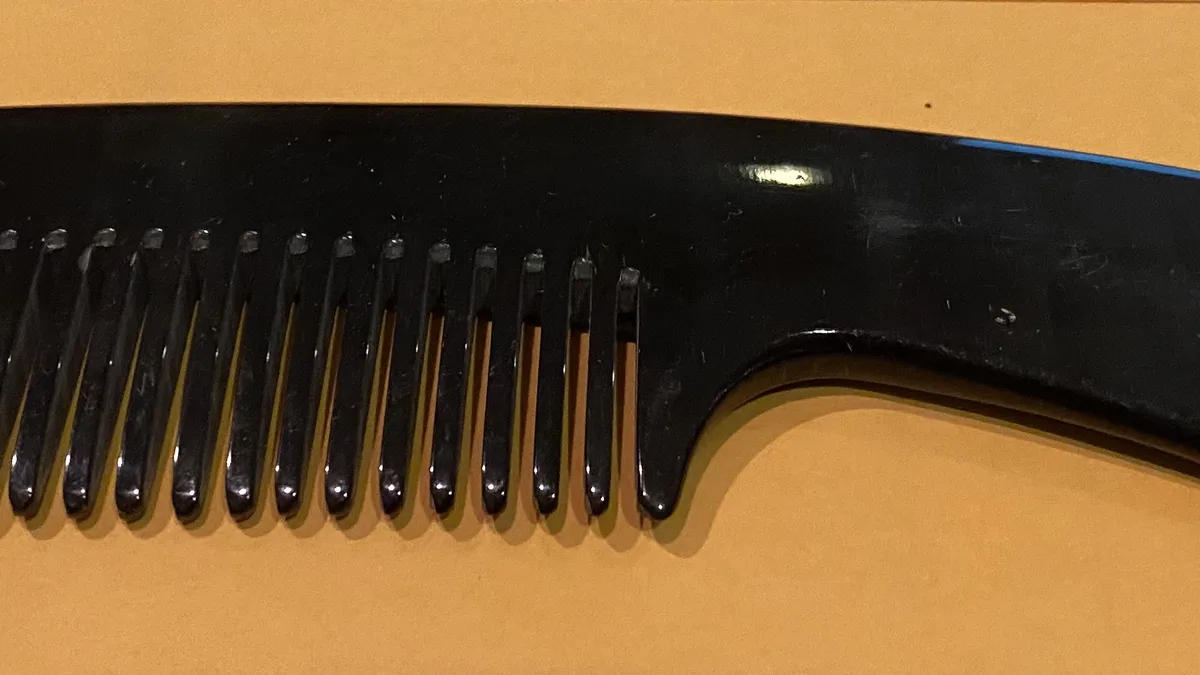
The fix is to stop thinking in tables and start thinking in stations. In an old village horn comb-maker’s workshop, nobody made a whole comb at one bench: one worker shaped the horn, another sawed the teeth, a third smoothed the back, and the piece moved from bench to bench until it was finished. These nine games borrow that flow, with every station running the same simple dice round at the same time.
Each game below needs only a handful of dice, a few everyday props, and one caller who keeps the beat. A full circuit takes about an hour, and every player gets a turn at every station. If you can roll a die and walk to the next bench, you can play.
Key takeaways
- Nine short stations let 565 players share one game without splitting into separate tables that never meet.
- Every game uses ordinary dice and simple props, so the whole circuit costs very little to set up.
- Each round lasts about five minutes, and a full circuit of all nine stations takes roughly one hour.
- One caller keeps every station in step, so the hall moves together from bench to bench.
- Players of every age and skill level can join in, because no game needs fast reflexes or long rules.
| Game | Players in one round | What you need | Minutes |
|---|---|---|---|
| Dice Horn Cut | 60 | 6 dice, paper strips | 5 |
| Dice Comb Rake | 60 | 6 dice, numbered cards | 5 |
| Dice Comb Polish | 65 | 6 dice, cloth squares | 5 |
| Dice Horn Soak | 65 | 6 dice, cups of water | 5 |
| Dice Comb Back | 60 | 6 dice, blank cards | 5 |
| Dice Tooth File | 65 | 6 dice, sandpaper squares | 5 |
| Dice Comb Case | 65 | 6 dice, small boxes | 5 |
| Dice Horn Bend | 60 | 6 dice, rubber bands | 5 |
| Dice Comb Edge | 65 | 6 dice, rulers | 5 |
How the comb-maker’s workshop runs a 565-player game
Set up nine benches in a wide loop around the hall, with a clear walkway between them. Put a large number card on each bench, from one to nine, and place six dice and the props for that game in the middle. Divide the players into nine groups of about sixty, and give each group a colour: red, blue, green, yellow, orange, purple, pink, brown, and white. Each group starts at a different bench, and when the caller blows a whistle, every bench plays one five-minute round at the same time.
When the round ends, the caller blows the whistle twice, and every group walks one bench forward. The dice stay on the bench, so the next group picks up exactly where the last group left off. That is the whole secret: the game travels, not the equipment. Groups never queue, the dice never leave the hall, and the caller only has to watch the clock. If your hall has run the wheelwright’s workshop games for 542 players before, the same table plan works here, with nine benches instead of the wheelwright’s ring of workstations.
Keep one spare bench near the door with extra dice, pencils, and tally sheets. If a die rolls under a table, a helper swaps in a fresh one without stopping play. Tally sheets stay on the bench, and each group writes its colour and its tally at the end of every round. At the end of the circuit, add up the nine tallies for each colour, and the group with the highest total wins a small prize, such as a box of sweets to share.
The nine games
Each game below takes its name from a step in the comb-maker’s craft, and each one plays the same way at every bench: roll, match, and mark. The rules fit on one card, so a helper at each bench can explain them in under a minute. Read the card aloud before the first whistle, and let the first round run a little long while everyone finds their feet.
1. Dice Horn Cut
Horn arrives at the workshop as a rough, curved sheet, and the first job is to saw it into blanks. In Dice Horn Cut, each player rolls one die and tears a paper strip to match the number shown. A roll of three means three short tears, a roll of six means six. The group works together to tear a chain of strips as long as possible before the whistle. Every strip must be roughly the same length, and a strip that is far too long or too short does not add to the chain.
The fun comes from the pace. Fast rollers build the chain quickly, but careless tearing wastes paper and slows the group down. The bench helper calls out the length every minute, which keeps the energy high without turning the game into a race. At the end of five minutes, measure the chain in hand spans and write the number on the tally sheet. A steady group that tears carefully will often beat a fast group that tears wildly.
2. Dice Comb Rake
Once the blank is shaped, the comb-maker rakes out the teeth with a fine saw, one groove at a time. In Dice Comb Rake, each player draws a numbered card from a shuffled pile and rolls two dice. If the dice total matches the card number, the player keeps the card. If not, the card goes back into the pile. The group is raking a row of teeth, and every kept card is one tooth finished.
Cards run from two to twelve, so low and high totals are rare and worth a cheer when they land. Players quickly learn that seven is the friendliest total, and the bench gets loud whenever a seven appears. The helper reshuffles the pile each minute so the cards stay mixed. At the whistle, the group counts its kept cards, and that number is the tally for the bench. It is a gentle game of luck, and even the youngest players can win a card on their very first roll.
3. Dice Comb Polish
A new comb feels rough until it is rubbed smooth with cloth and oil. In Dice Comb Polish, each player takes a cloth square and rolls one die. The number shown tells the player how many slow circles to rub on the bench top: one for a one, six for a six. The group aims for a smooth, even shine, so every player rubs at the same steady pace, and the helper calls out “slow and even” whenever the pace creeps up.
This is the calmest bench in the circuit, and it works well as a breather between livelier games. Players chat while they rub, and the shared rhythm makes the group feel like a real workshop crew. At the whistle, the group counts how many full rounds of rubbing everyone finished together, and that number goes on the tally sheet.
4. Dice Horn Soak
Stiff horn must be soaked in warm water before it can be worked, or it will crack under the saw. In Dice Horn Soak, each bench has a row of cups, and each cup holds a folded paper shape. Players roll one die and drop that many drops of water onto their shape with a finger. A roll of six soaks the shape fast, while a roll of one barely wets it. The aim is to open the paper shape fully without tearing it.
Patience matters more than luck here. A player who floods the paper will tear it, and a torn shape scores nothing. The helper walks the bench and shows new players how to tap the water on gently, one drop at a time. At the whistle, count the shapes that opened cleanly, and write that number down. Spare paper shapes sit in a pile at the end of the bench, so nobody is stuck waiting for a fresh one.
5. Dice Comb Back
Every comb needs a strong, smooth back to hold the teeth together. In Dice Comb Back, each player takes a blank card and rolls two dice. The player draws a line of dots across the card, with the number of dots equal to the dice total. A roll of nine means nine dots in a neat row, and a roll of two means just two. The group is building one long comb back together, card by card, and the rows must line up neatly from card to card.
The challenge is neatness, not speed. A row of dots that wanders off the line breaks the comb back, and the helper sets that card aside. Players soon start to roll carefully and draw slowly, which is exactly the point: the comb-maker’s best work is slow work. If your group enjoys this kind of careful, craft-style round, the weaver’s workshop games for 543 players offer a similar slow-and-steady bench, with threads and shuttles in place of dots and cards. At the whistle, the group counts its neat rows, and the tally goes on the sheet.

6. Dice Tooth File
Fresh-cut teeth are sharp and uneven, so the comb-maker smooths each one with a small hand tool. In Dice Tooth File, each player takes a square of sandpaper and rolls one die. The number shown tells the player how many gentle strokes to rub along the edge of a wooden ruler: one stroke for a one, six strokes for a six. The group works down a row of rulers together, one ruler per player, and the aim is to finish every ruler in the row before the whistle.
The trick is that the strokes must be gentle. A player who presses too hard wears the sandpaper out, and the helper swaps in a fresh square. Players learn quickly that light, even strokes do more work than hard, fast ones. At the whistle, count the rulers that were finished smoothly, and that number is the tally.
7. Dice Comb Case
Finished combs travel in small cases that keep the teeth safe on the road to market. In Dice Comb Case, each bench has a row of small boxes, and each player rolls one die to pack a box. A roll of four means four small items go into the box: a pencil, a rubber band, a paper clip, and a button, for example. A roll of one means just one item. The group must pack every box on the bench before the whistle, and no box may hold more items than the dice allow.
This game rewards tidy hands and good sharing. Players pass items along the bench like a workshop line, and the fastest groups are the ones that pass smoothly instead of grabbing. The helper checks each box at the end and removes any box that is overfilled or underfilled. At the whistle, count the boxes that were packed exactly right.
8. Dice Horn Bend
Warm horn bends easily, and the comb-maker curves each blank over a wooden form before it cools. In Dice Horn Bend, each player takes a rubber band and rolls one die. The number shown tells the player how many times to loop the band around two fingers and stretch it gently: once for a one, six times for a six. The group is bending a whole set of bands together, and every player must finish their loops before the group moves on to the next round.
The game is really about timing. If one player rushes ahead, the group waits, and if one player falls behind, the group cheers them on. The helper counts the loops out loud, which keeps everyone in step and turns a quiet task into a shared chant. Rubber bands sometimes snap, and a snapped band simply means the player takes a fresh one from the pile. At the whistle, count how many full sets of loops the group finished together, and write it down.
9. Dice Comb Edge
The last job is the edge: a comb with a rough edge snags hair, so the comb-maker runs a ruler along every side until it feels smooth. In Dice Comb Edge, each player takes a ruler and rolls two dice. The player measures a line on paper that is as many finger-widths long as the dice total, then draws it in one smooth stroke. A line of twelve finger-widths is long and bold, while a line of two is short and neat. The group is edging one long comb together, line by line.
Straight lines are harder than they look, especially when the whole bench is watching. Players hold their breath, draw slowly, and the bench erupts when a long line comes out perfectly straight. The helper lays a straight ruler beside each line to check it, and wobbly lines are set aside with a smile. At the whistle, count the straight lines, and that number closes the tally for the bench.
Setting up for 565 players without chaos
Arrive an hour early and walk the loop yourself before anyone else arrives. Check that each bench has its dice, its props, and its tally sheet, and that the walkway between benches is wide enough for sixty people to move at once. Put the spare bench near the door, and give each bench helper a whistle, a pencil, and a copy of the rules card.
Seat the youngest players near the front of each group so they can see the bench clearly, and pair each young player with an older player for the first round. The older player rolls first and shows how the round works, which is faster than any spoken explanation. Keep the music low or off during rounds, because the caller needs to be heard over the hall, and raise it only during the walk between benches.
Plan for spills and lost dice. Put a towel and a small dustpan at each bench, and keep a bag of spare dice at the spare bench. If a cup of water tips over, the helper mops it up while the group keeps playing, and nobody is blamed. The games are designed so that a small mess never stops the round, and the circuit keeps its rhythm even when things go wrong.
Frequently asked questions
Do we really need nine benches for 565 players?
Yes, nine benches keep the groups near sixty, which is the largest size where every player still gets a turn in five minutes. Fewer benches mean bigger groups, longer waits, and players who never touch the dice. If you only have eight tables, drop one game and run eight stations instead.
What if some players arrive late?
Send latecomers to the spare bench first, where a helper explains the circuit, and then join them to whichever group is nearest. The groups are colour-coded, so a late player only needs to know their colour to find their group at the next bench.
Can young children play these games?
Yes. Every game needs only counting to twelve and a little hand control, so children from about six years old can join in. Pair each young child with an older player for the first round, and they will be rolling on their own by the second bench.
How many dice do we need in total?
Each bench needs six dice, so nine benches need fifty-four dice, plus a bag of spares. Buy cheap dice in bulk and keep them in a tub at the spare bench. If a die goes missing, swap in a spare and keep playing.
What happens if a bench finishes early?
The group waits at the bench and chats until the whistle. Early finishes are a good sign: it means the group worked well together. The helper can use the spare minute to show the next bench’s game, so the group arrives ready.
Can we run this circuit outdoors?
Yes, if the weather is dry and calm. Use heavy tables that will not blow over, weigh the paper props down with small stones, and skip the water cups in Dice Horn Soak if there is any wind. A village green works well, and the stonemason’s yard games for 555 players were built for the same kind of open-air setup, with sturdy props that suit a yard or a green.
Checklist for the day
- Nine benches in a loop, each with a number card from one to nine.
- Six dice, props, and a tally sheet on every bench.
- Nine colour groups, with a colour ribbon or sticker for each player.
- One caller with a whistle, a microphone, and a large clock.
- A spare bench by the door with extra dice, pencils, and tally sheets.
- A small prize for the winning colour group, such as a box of sweets to share.
The Bottom Line
A crowd of 565 players does not need complicated rules or costly equipment. It needs nine short games, nine benches in a loop, and one caller who keeps the beat. The horn comb-maker’s workshop shows the way: small steps, shared in order, turn rough horn into a finished comb, and the same small steps turn a huge hall into one game that everyone plays together. Set up the benches, hand out the dice, blow the whistle, and let the circuit do the rest.


