
What if the tool that saves you the most time in a whole weekend of work costs less than a decent dinner out? That is often the quiet truth about electric screwdrivers. They are small, unglamorous, and easy to overlook, yet the difference between a good one and a bad one shows up in the first ten minutes of assembly. This comparison breaks down the categories, the specs that actually matter, and the mistakes that turn a promising purchase into a drawer ornament.
The Real Categories of Electric Screwdriver
Walk into any hardware store and “electric screwdriver” gets used for wildly different tools. Comparing them fairly means putting them in the right buckets first.
| Type | Typical Use | Speed | Torque | Best For |
|---|---|---|---|---|
| Cordless screwdriver | Light assembly, furniture, cabinets | Slow to moderate | Low | Homeowners and quick jobs |
| Impact driver | Driving long screws into wood, decking | Fast | High | Framing, decks, heavy fastening |
| Drill-driver | Drilling and screwdriving | Moderate | Medium | All-round household work |
| Precision electric screwdriver | Electronics, small repairs | Slow, controlled | Very low | Phones, laptops, eyeglasses |
| Drywall screwdriver | Hanging and fastening drywall | High | Medium, clutch-limited | Renovation and trade work |
A cordless screwdriver is not a weak impact driver. It is a different tool built for a different job. People who buy an impact driver for flat-pack furniture often strip the particle board before they learn that lesson.
Torque and Clutch Settings: The Numbers That Matter
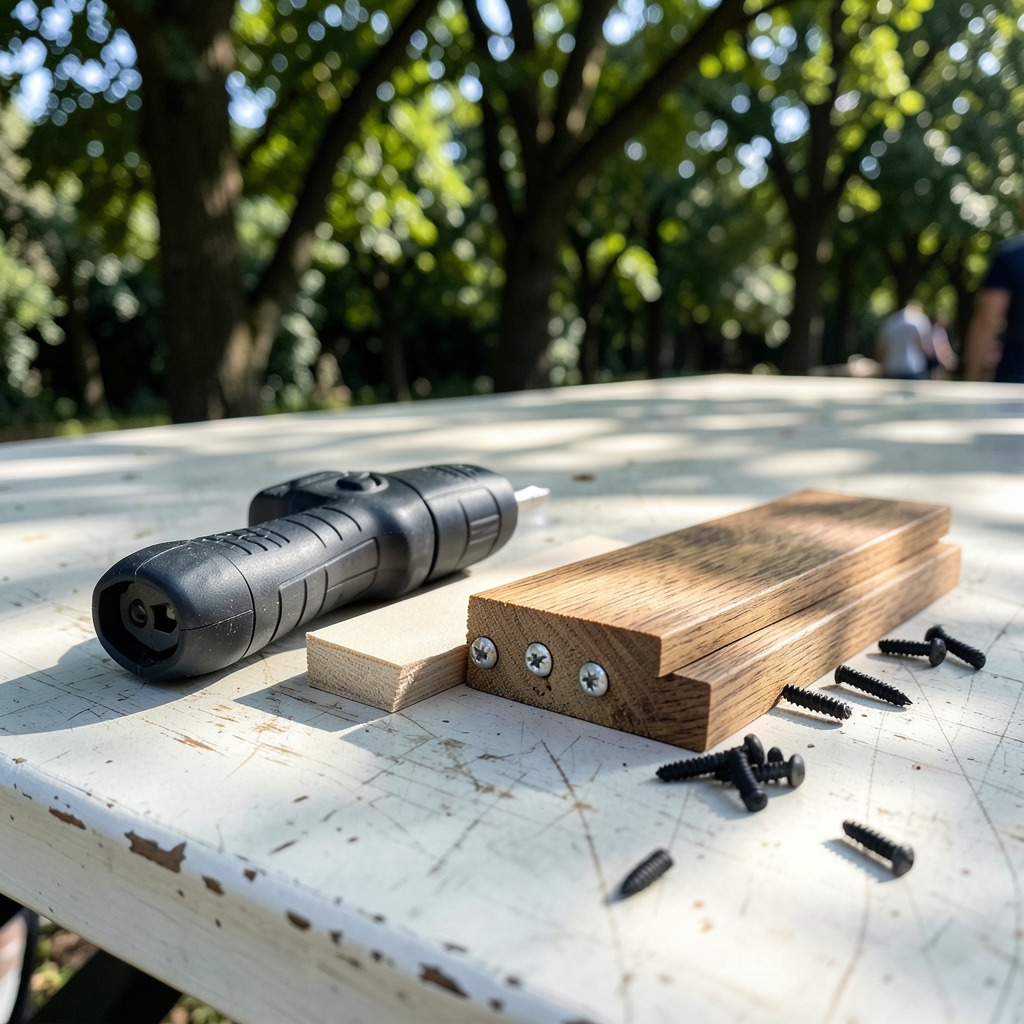
Torque is the twisting force a tool delivers, usually measured in inch-pounds or newton-meters. More is not automatically better. A compact cordless screwdriver might produce 30 to 50 inch-pounds, while an impact driver can exceed 1,500 inch-pounds. That gap is enormous, and it explains why the wrong tool ruins soft materials.
The clutch is the feature that saves you. It disengages the motor once a set amount of resistance is reached, so screws stop at a consistent depth instead of burying themselves. Adjustable clutches typically offer 15 to 24 settings. For furniture and cabinetry, a clutch is arguably more valuable than raw torque.
Here is a practical rule that holds up in real use: buy for the material, not the spec sheet. Particle board and MDF want low torque and a working clutch. Hardwood and structural fastening want an impact driver. Precision work wants a torque-limited driver you can hold between two fingers.
Voltage Classes and What They Tell You
Voltage is a rough proxy for power and battery platform. It is not a precise measure, but the classes are useful shorthand.
- 3.6V to 4V: Pen-style and precision drivers. Light, slow, ideal for electronics and small household fixes.
- 8V to 12V: Compact cordless screwdrivers. The sweet spot for furniture, cabinet hardware, and outlet covers.
- 18V to 20V: Drill-drivers and impact drivers. Full household and trade capability.
One detail buyers miss: battery platform lock-in. A tool is only as good as the batteries you already own. If a household already runs one brand’s 18V batteries across a drill and a trim saw, buying a bare tool in the same platform usually beats a cheaper starter kit from a different brand. The kit price looks lower until the second battery and charger arrive.
Brushed vs. Brushless Motors
Brushed motors use carbon brushes that physically contact the spinning armature. They are cheaper, and they wear out. Brushless motors use electronics to switch the magnetic field, which means fewer wearing parts, better efficiency, and longer runtime per charge.
For occasional home use, a brushed motor will last years. For daily trade use, brushless pays for itself through runtime and lifespan. The practical tell in a store: brushless tools usually cost noticeably more and run noticeably quieter and cooler.
Speed Control and Trigger Feel
This is the most underrated comparison point and the hardest to judge from a spec sheet. A good electric screwdriver has a variable-speed trigger with a usable low end. Many cheap models jump from stopped to full speed with almost no travel in between, which makes starting a screw cleanly nearly impossible.
In practice, the test is simple: squeeze the trigger slowly and see whether the chuck turns gently or lurches. If it lurches, the tool will fight you on every delicate fastener. Forward and reverse switching matters too. A well-placed, single-hand switch beats a stiff slider every time.
Bit Standards, Chucks, and Compatibility
Most cordless screwdrivers use a 1/4-inch hex quick-change chuck, which accepts standard insert bits. That is good news for compatibility, but bit quality varies enormously. Cheap bits cam out, round off screw heads, and cost more in damaged fasteners than they saved at purchase.
A few practical notes from real use:
- Buy bits separately from a reputable brand rather than relying on the 40-piece set bundled with a budget tool.
- Keep a set of impact-rated bits for impact drivers; standard bits can shatter under impact load.
- For precision drivers, check whether the tool uses standard 4mm bits or a proprietary format.
- Magnetic bit holders help, but a strong magnet near electronics is a bad idea.
Weight, Balance, and Grip
A tool that weighs 1.2 pounds feels very different from one at 2.5 pounds after an hour of overhead work. Balance matters as much as weight. A top-heavy driver with a large battery hanging off the back tires the wrist faster than a better-balanced tool of the same weight.
Grip material is not marketing fluff. Rubberized overmolds reduce slipping when hands are sweaty or oily. If a tool’s handle feels slippery in the store, it will feel worse on a ladder.
Battery, Charging, and Runtime Reality
Manufacturers quote runtime in optimistic terms. Real-world runtime depends on load, temperature, and battery age. Two practical points:
- Lithium-ion batteries self-discharge slowly and hold charge well in storage, which suits occasional users far better than older chemistries.
- Charge time matters more than capacity for home users. A tool that charges in 30 minutes gets used; one that charges in three hours often does not.
Storage temperature affects longevity. Batteries left in a freezing garage or a hot car degrade faster than those kept indoors.
Safety and Common Mistakes
Electric screwdrivers are low-risk compared with circular saws, but the mistakes are consistent.
- Over-torquing soft materials. The single most common error. Use the clutch.
- Using an impact driver on delicate assemblies. It will crack plastic and strip threads.
- Skipping eye protection. Bits break, and screws fly. Safety glasses cost almost nothing.
- Driving screws without pilot holes in hardwood. The screw splits the wood or snaps.
- Leaving a battery on the charger indefinitely. Modern chargers manage this, but older ones do not.
Where Price Actually Goes
Budget tools cut costs in predictable places: brushed motors, weak clutches, poor trigger modulation, and short battery life. Mid-range tools usually fix the trigger and clutch. Premium tools add brushless motors, better ergonomics, and platform ecosystem support.
The honest comparison is not “cheap versus expensive.” It is “how often will this be used, and on what?” A homeowner assembling furniture twice a year is well served by a modest 8V cordless screwdriver. A cabinet installer needs a brushless driver with a precise clutch and a battery platform that matches the rest of the van.
That same logic applies across tool categories. Teams comparing software subscriptions face identical trade-offs between headline price and real cost, whether they are weighing proposal tools pricing comparison or social media management tools pricing comparison for teams. The pattern is the same: the sticker price hides the cost of the features you will actually rely on. Buyers evaluating content audit tools pricing comparison run into the same trap of paying for capacity they never touch.
A Practical Buying Checklist
Before committing, run through these questions in order:
- What materials will this tool touch most often?
- Do I already own batteries in a compatible platform?
- Does the tool have a clutch, and how many settings?
- Does the trigger modulate smoothly at low speed?
- Is the chuck a standard 1/4-inch hex?
- How does it feel in hand for two minutes?
- What does a replacement battery cost?
If a tool passes all seven, the brand on the side matters far less than the marketing suggests.
Conclusion
Electric screwdrivers reward a little homework more than almost any other small tool. The category is not one product but five, and the specs that decide satisfaction are torque control, clutch quality, trigger feel, and battery platform, not the biggest number on the box. Match the tool to the material, buy into a battery system you can grow with, and spend a little more on bits than you think you need. Do that, and the tool earns its place in the bag instead of the bottom drawer.
Frequently Asked Questions
Is an impact driver better than a cordless screwdriver?
Neither is universally better. An impact driver delivers far more torque and drives long screws fast, but it is too powerful for furniture, plastic, and delicate assemblies. A cordless screwdriver with a clutch is gentler and more controllable. Many households eventually own both because they solve different problems.
What voltage do I need for home use?
For furniture, cabinet hardware, and small repairs, an 8V to 12V cordless screwdriver covers most needs comfortably. If you also drill holes or drive long screws into wood, an 18V or 20V drill-driver or impact driver makes more sense. Precision electronics work calls for a 3.6V to 4V pen-style driver.
How much torque is enough for furniture assembly?
Most flat-pack and cabinet work needs only modest torque, often in the 30 to 50 inch-pound range, combined with a working clutch. The clutch matters more than the torque figure because it stops the screw at a consistent depth. High torque without clutch control is how particle board gets crushed and stripped.
Do brushless motors really make a difference?
For occasional use, a brushed motor is fine and costs less. For daily or trade use, brushless motors run cooler, last longer, and deliver more runtime per charge because they lack wearing carbon brushes. The premium is usually worth it only when the tool sees regular, heavy use.
Can I use any bit in an electric screwdriver?
Most cordless screwdrivers accept standard 1/4-inch hex insert bits, so compatibility is broad. The catch is bit quality. Cheap bits cam out and round screw heads. For impact drivers, use impact-rated bits specifically, since standard bits can shatter under repeated impact loads.
How long should an electric screwdriver last?
A well-made cordless screwdriver used occasionally can last many years, with batteries typically aging out before the motor fails. Brushed motors wear faster under heavy use. Storing batteries at moderate temperatures and avoiding deep discharges are the two habits that most extend useful life.
One final note on maintenance: keep the chuck clean and free of sawdust, and wipe down the grip periodically, since accumulated dust and oils degrade both bit seating and handling. Store the tool with the battery removed if it will sit unused for months. None of this is glamorous, but it is what separates a tool that still works in five years from one that quietly stops holding bits. With the checklist above and a realistic sense of how often the tool will actually be used, most buyers will land on a driver that fits their work rather than the loudest spec sheet, and that is the outcome worth aiming for.




