
Five hundred and seventy-two players, one old gamekeeper’s lodge, and nine puzzle races. That is the whole day in one line: 44 teams of 13 players, nine stations around the lodge, and a tournament that every team plays from Race 1 to the final tally. Nobody sits out, and every team meets all nine races once before the champion is named.
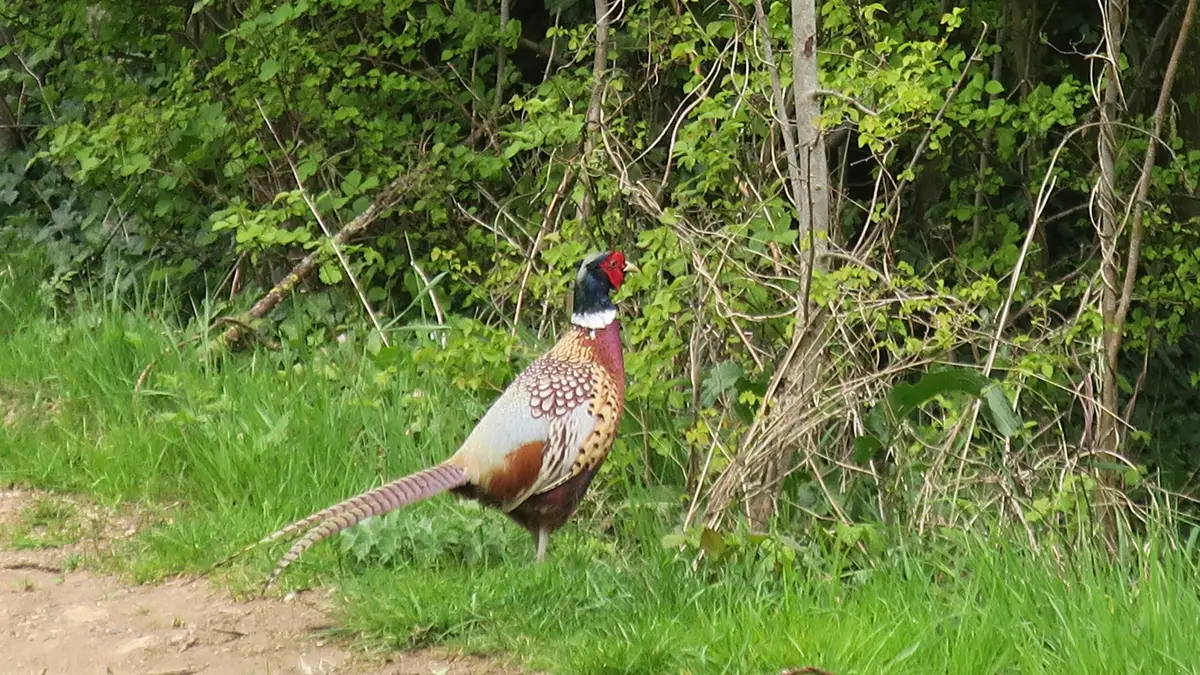
The lodge stands at the edge of the woods, with open ground in front and thickets behind it. Its birds and animals give the day its subjects: pheasants in the coverts, partridges in the coveys, hares in their forms, moles under the soil, and rabbits in the warren. Each race turns one of those subjects into a short puzzle — counting, ordering, measuring, checking, sorting, fitting, matching — with points for the best tally at each station.
This guide gives you the nine races, the station plan, the scoring, the checklist, and the answers every host asks for.
Key takeaways
- 44 teams of 13 players make 572 players; nine stations host nine races, one race at each station.
- Each race takes 20 minutes, with 5 minutes to move between stations, so the racing takes 220 minutes in all.
- Points run from 10 for the best tally at a station down to 2, with 90 the highest possible total.
- No prior knowledge is needed: each host explains the race in two minutes.
- The champion is the team with the highest total after all nine races.
How 572 Players Fit Into One Day
Start with the teams. Five hundred and seventy-two players divide into 44 teams of 13, each named after one of the lodge’s five birds and animals, with a number after it — Pheasant 1 through 9, Partridge 1 through 9, Hare 1 through 9, Mole 1 through 9, and Rabbit 1 through 8. Thirteen is a good size: big enough to split across the jobs at a station, small enough that every player has something to do in every race.
Next come the stations. Nine stations stand around the lodge, one for each race, and each station has a host who knows that race inside out. In each round, eight stations take five teams and one station takes four teams, and the station with four teams changes every round, so no team is short of company twice. The rotation sheet moves every team to a new station each round, so every team meets all nine races once.
The timing is simple and it holds all day. Each race takes 20 minutes, and teams have 5 minutes to move to the next station, so nine rounds take 220 minutes of racing and moving. A tally break sits after the fifth race, when the host adds up the points so far and reads out the top ten teams. The sundial-maker’s day in our puzzle games for 571 players runs on the same station plan, with nine short races and a shared tally, and it works because the plan never asks a team to be in two places at once.
The 9 Races at a Glance
| Race | Station | What teams do | Minutes |
|---|---|---|---|
| Pheasant Covert Count Race | 1 | Tally the pheasant shapes among the thicket | 20 |
| Partridge Covey Order Race | 2 | Put the partridge shapes in order by size | 20 |
| Hare Form Measure Race | 3 | Measure the length of a hare’s form in paces | 20 |
| Pheasant Roost Check Race | 4 | Check the roost spots and record the pheasants | 20 |
| Mole Snare Sort Race | 5 | Sort the snares into ready, sprung and bent | 20 |
| Mole Trap Fit Race | 6 | Fit the trap parts so each trap sits flat | 20 |
| Pheasant Decoy Match Race | 7 | Match each decoy to its own covert | 20 |
| Rabbit Warren Count Race | 8 | Count the warren openings with fresh soil | 20 |
| Mole Trigger Count Race | 9 | Count the traps whose triggers are ready | 20 |
The Nine Races, One by One
Each race below runs the same way: the host explains it in two minutes, the team works for 20 minutes, and the host records the tally before the team moves on. The nine races test different skills on purpose, so a team that is weak at one race can still win the day at another.
Pheasant Covert Count Race
A covert is a thicket where pheasants rest, and this race turns one into a counting puzzle. Forty shapes sit among the thicket: pheasant shapes and partridge shapes mixed together, all the same size, in muted colours. The team must tally how many of the forty are pheasants, and only pheasants, before the 20 minutes end. The shapes are close in colour, so the teams that win split the work, counting from both ends of the thicket and comparing tallies before they give theirs in.
The exact tally takes 10 points. A team that is out by one takes 8, out by two takes 6, out by three takes 4, and anything further out takes 2. The host keeps the true number on a separate tally sheet, so no team can argue with the result.
Partridge Covey Order Race
A covey is a small group of partridges, and this race asks teams to put one in order. Twelve partridge shapes of different sizes stand on the station table, from the smallest shape to the largest full-grown shape, all mixed up. The team must arrange them in a line from smallest to largest, and the host checks the line against the true order when the time ends.
Scoring is simple: a team with the whole line in the true order takes 10 points. Each shape in the wrong place costs two points, down to a minimum of 2 points for a team that tried the full line. The winning habit here is patience: teams that rush the middle of the line, where the sizes are closest together, are the ones that drop points.
Hare Form Measure Race
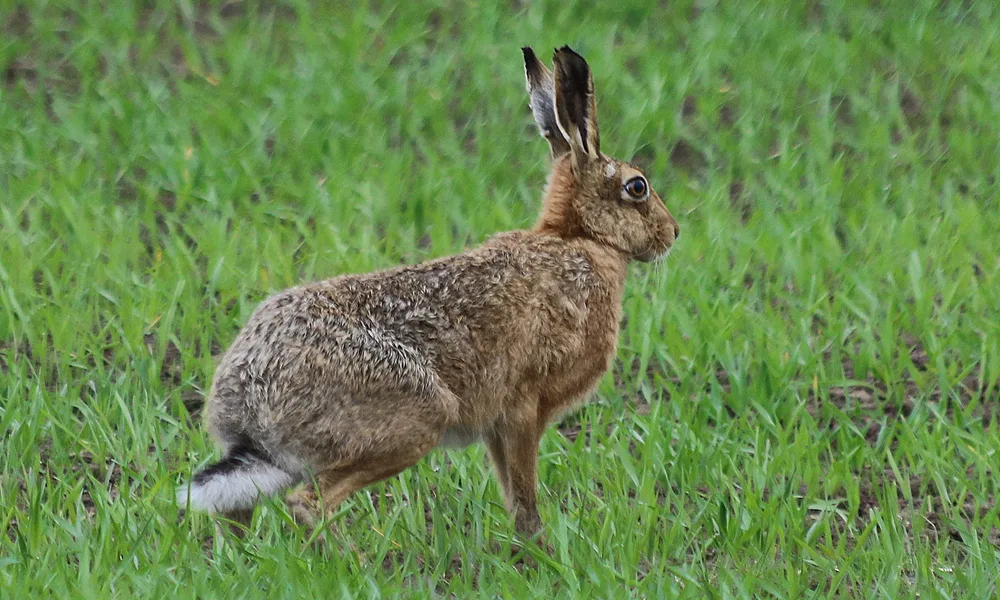
A hare’s form is the shallow hollow in the soil where a hare rests, and this race is about measuring one. The station has three forms ready on the open ground, each a different length. The team must measure each form in paces — one even pace at a time, along the longest line of the hollow — and write down all three lengths on the tally sheet.
The host measured each form ahead of time, so the true lengths are known. A team takes 10 points when all three of its lengths are within one pace of the true lengths. Two lengths within one pace takes 8 points, one length takes 6, and no length within one pace takes 4 points.
Pheasant Roost Check Race
A roost is where pheasants spend the night, and this race is a checking puzzle, not a counting one. Twelve roost spots stand in a row at the station, and each spot either holds a pheasant shape, holds a partridge shape, or holds nothing at all. The team must check every spot in turn and record which spots hold a pheasant, writing the spot numbers on the tally sheet as they work.
Each spot is worth one point, and the team takes the points for every spot it records correctly — a pheasant spot as a pheasant, a partridge spot as a partridge, and an empty spot as empty. The highest possible tally here is 12 points, and the station ranking follows the same 10-8-6-4-2 points as the other races.
Mole Snare Sort Race
Snares are the gamekeeper’s loops for catching moles, and this race is about sorting them. Twenty snares lie on the station table in a mixed pile: some are ready to use, some have sprung shut, and some are bent out of shape. The team must sort all twenty into three groups — ready, sprung and bent — and the host checks the three groups when the time ends.
A team takes 10 points when all twenty snares sit in the right group. Each snare in the wrong group costs one point, down to a minimum of 2 points for a team that sorts all twenty. The bent snares cause the most trouble, because a slightly bent snare can look ready at a glance.
Mole Trap Fit Race
A mole trap has three parts — a flat base, a trigger plate, and an arm that joins them — and this race is about fitting them together. The station table holds the parts for ten traps, all mixed up, and the team must build all ten so that each trap sits flat and its trigger arm moves freely. The host tests each finished trap by trying the trigger plate once: a trap that sits flat and moves freely passes, and a trap that rocks or jams fails.
Each trap that passes takes one point, so the highest tally at this station is 10 points, and the station ranking follows the same 10-8-6-4-2 points as the other races. The sieve-maker’s workshop day in our puzzle games for 570 players runs nine short races in the same way, with a host at each station testing the finished work.
Pheasant Decoy Match Race
A decoy is a lifelike pheasant shape that the gamekeeper uses to bring real pheasants near, and this race is about matching each decoy to its own covert. Eight decoys stand at the station, and eight coverts are listed on the station’s tally sheet, each with a record of the decoy that belongs to it — its size and its colour. The team must read the eight records and match each decoy to its covert, writing the decoy numbers beside the covert names.
Each correct match takes one point, so the highest tally at this station is 8 points, and the station ranking follows the same 10-8-6-4-2 points as the other races. The decoys are close in size and colour on purpose, so the teams that win compare one decoy at a time against the records instead of guessing from across the station.
Rabbit Warren Count Race
A warren is the rabbits’ home underground, and this race is about counting its openings. The station shows a warren with fifteen openings, and some of the openings have fresh soil at the mouth while others are old and quiet. The team must count how many openings have fresh soil, and only those openings, before the 20 minutes end.
The exact tally takes 10 points. A team that is out by one takes 8, out by two takes 6, out by three takes 4, and anything further out takes 2.
Mole Trigger Count Race
A trigger is the small plate on a mole trap that trips the trap, and this race is the day’s final counting test. The station table holds 24 traps: some have their triggers ready, some have their triggers slack, and some have no trigger at all. The team must count how many traps have their triggers ready, and only those traps, before the 20 minutes end.
The exact tally takes 10 points. A team that is out by one takes 8, out by two takes 6, out by three takes 4, and anything further out takes 2. Walk up to each trap and look at the trigger plate itself: the ready ones sit flat, and the slack ones hang low on one side.
Scoring That Keeps the Day Honest
Every race uses the same points, so no single race can decide the day. At each station the host ranks the teams by their tally: the best tally takes 10 points, the next takes 8, then 6, then 4, and the fifth takes 2. A station with four teams gives 10, 8, 6 and 4. Nine races give a highest possible total of 90 points, and the champion is the team with the highest total after the ninth race.
Equal tallies happen, and the plan handles them in the open. If two teams finish with the same tally at a station, they divide the points for the two places between them — two teams sharing the best tally at a five-team station each take 9 points, which is 10 and 8 divided between them. If two teams end the day with the same total, the team with more 10-point races takes the day; if that is also equal, the team with the better tally in the final race takes it. The host reads out the top ten teams after the fifth race and again after the ninth, so every team knows where it stands.
Checklist for the Host
- Tally sheets ready for 44 teams, one sheet per team for each of the nine races — 396 sheets in all, plus a few extra for mistakes.
- Nine stations numbered and stocked before the teams arrive, with a host at each station who knows the rules for that race.
- Extra kit for each race — shapes, snares, traps, triggers, decoys and tally sheets — for anything that fails during the day.
- A rotation sheet that moves every team to a new station each round, with the four-team station changing every round.
- A central tally table where the host adds up the points after each round, so the top ten can be read out after the fifth race.
- A clear plan for the final race: the ninth race’s tally, the final total, and the champion named before the day ends.
Frequently Asked Questions
How do 572 players fit into nine races?
They fit because the day is built on teams and stations, not on one big game. Five hundred and seventy-two players form 44 teams of 13, and nine stations each host one race. In each round, eight stations take five teams and one station takes four, and the four-team station changes every round. Every team visits all nine stations once.
What if a team has fewer than 13 players?
The day still works. The tally at each station is a team tally, not a tally per player, so a team of 12 or 11 can still take 10 points at a station. If a team is short by more than two players, the host moves one player from a team of 14 to the short team before the racing begins.
Do teams need to know pheasants, partridges, hares, moles and rabbits already?
No. Each station host explains the race in two minutes before it begins, and the races test counting, ordering, measuring, checking, sorting, fitting and matching — not prior knowledge of the lodge’s birds and animals. A team that has never seen a pheasant can still win the Pheasant Covert Count Race by counting carefully.
What happens if two teams end with the same total?
The team with more 10-point races takes the day. If that is also equal, the team with the better tally in the final race takes it.
Can the day run with fewer than 572 players?
Yes. The nine races and the station plan work with any number of teams, as long as each station has at least two teams in it. With 22 teams of 13 — 286 players — each station takes two or three teams, and the same points apply. The marionette-maker’s workshop day in our puzzle games for 569 players follows the same teams-and-stations shape with a smaller crowd.
What should the host bring?
The host brings the nine race kits, the tally sheets, the rotation sheet, and a way to keep the time for each round. Everything else is arranged at the lodge before the teams arrive. The one thing the host should not bring is a new rule on the day: if a rule is unclear, the host decides it before the racing begins and keeps it for all nine.
The Bottom Line
Five hundred and seventy-two players sounds like too many for one day of puzzles, until the day is built the right way: 44 teams of 13, nine stations, nine races of 20 minutes, and one honest tally. The gamekeeper’s lodge gives the day its shape — pheasants in the coverts, partridges in the coveys, hares in their forms, moles under the soil, and rabbits in the warren — and the nine races give every team the same fair chance to win it. Keep the tally in the open, and name the champion before the day ends.


