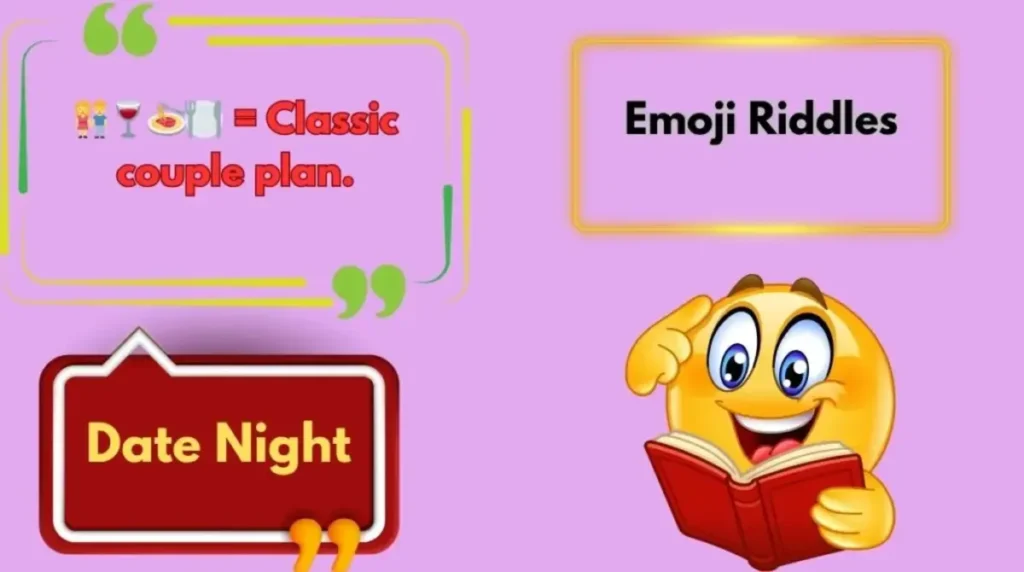
Looking for a way to spice up your group chat or challenge your brain during a quick break? You’ve come to the right place. Emoji riddles are the modern evolution of the classic brain teaser, using familiar colorful icons to represent hidden phrases, movies, or famous places.
At its core, an emoji riddle is a visual puzzle where a string of emojis acts as a code you need to decipher. Whether you’re playing a guess the emoji game with friends or solving visual riddles solo, these challenges test your lateral thinking and cultural knowledge. In this guide, we’ve curated the ultimate list of 2026’s most popular puzzles to help you master the art of the “emoji read.”
🎬 Level 1: Guess the Movie (Blockbuster Edition)
Movies are the most popular category for emoji puzzles. Because films have iconic imagery, they translate perfectly into tiny digital icons. These puzzles work by condensing a two-hour experience into three or four pixels. Try to solve these recent and classic hits:
-
🦁👑
-
Answer: The Lion King
-
-
🦇👨
-
Answer: Batman
-
-
🚢🧊🧥
-
Answer: Titanic
-
-
🎈🏠🎈
-
Answer: Up
-
-
🕵️♂️🌪️👠
-
Answer: The Wizard of Oz (or the 2026 reboot of Twisters)
-
-
🧸🤠🚀
-
Answer: Toy Story
-
-
👽📞🏠
-
Answer: E.T. the Extra-Terrestrial
-
-
🍫🏭🎩
-
Answer: Charlie and the Chocolate Factory
-
Why Movies Work for Emoji Riddles
Human brains process visual information significantly faster than text. When you see a lion and a crown, your brain immediately connects these “entities” to a specific cultural touchstone. This is a great way to improve your visual riddles solving skills—look for the “anchor” emoji (the most obvious one) and build the story from there. In 2026, we see a shift where AI is actually being trained to recognize these patterns to understand human humor better.
🌍 Level 2: Famous Cities and Landmarks
Feeling worldly? These emoji riddles challenge your geographical knowledge and your ability to associate symbols with physical locations. This is a staple of any guess the emoji game because it relies on shared global landmarks.
-
🗼🥖
-
Answer: Paris, France
-
-
🗽🍎
-
Answer: New York City (The Big Apple)
-
-
🍕🇮🇹
-
Answer: Italy (specifically Rome or Naples)
-
-
🎡🇬🇧
-
Answer: London (The London Eye)
-
💃🇪🇸
-
Answer: Spain
-
-
🐫🏜️📐
-
Answer: Egypt (The Pyramids of Giza)
-
-
🍁🏒
-
Answer: Canada
-
-
🐨🏄♂️
-
Answer: Australia
-
💡 Level 3: Common Phrases and Idioms
This is where the guess the emoji game gets truly tricky. These puzzles require you to think metaphorically rather than literally. You aren’t just looking at pictures; you are looking at linguistic puns.
-
🥧🛶
-
Answer: Piece of cake (or “Easy as pie”)
-
-
🤫🐱
-
Answer: Cat’s out of the bag
-
-
🧊🧗
-
Answer: Breaking the ice
-
-
☁️9️⃣
-
Answer: Cloud nine
-
-
🍎👁️
-
Answer: Apple of my eye
-
-
👂🪵
-
Answer: Knock on wood
-
-
🐘🛋️
-
Answer: The elephant in the room
-
-
💰👣
-
Answer: Money talks
-
Pro Tip: When solving phrase-based emoji puzzles, say the names of the emojis out loud. Sometimes the phonetic sound of the word—like “bee” 🐝 for the letter B—is the clue, rather than the picture itself!
🧠 The Science: Why Your Brain Loves Emoji Puzzles
According to recent neurological studies (updated for 2026), engaging in visual riddles and word games can significantly boost cognitive health. It isn’t just “wasting time” on your phone; it’s a form of mental gymnastics.
Dopamine and the “Aha!” Moment
Solving a difficult riddle triggers a release of dopamine in the brain’s reward center. This “aha!” moment improves mood and increases your ability to concentrate on follow-up tasks. It is why emoji riddles are often used in corporate icebreakers—they “wake up” the creative side of the brain.
Neuroplasticity and Symbolic Language
Forcing your brain to translate symbols into abstract concepts strengthens the neural pathways between your visual cortex and language centers. In a world increasingly dominated by visual communication, being able to decode emoji puzzles quickly is actually a sign of high “digital literacy.”
🛠️ How to Create Your Own Emoji Riddles
Want to stump your friends in the group chat? Creating a custom emoji riddle is an art form. Follow these three steps to build a high-quality puzzle that is fair but challenging:
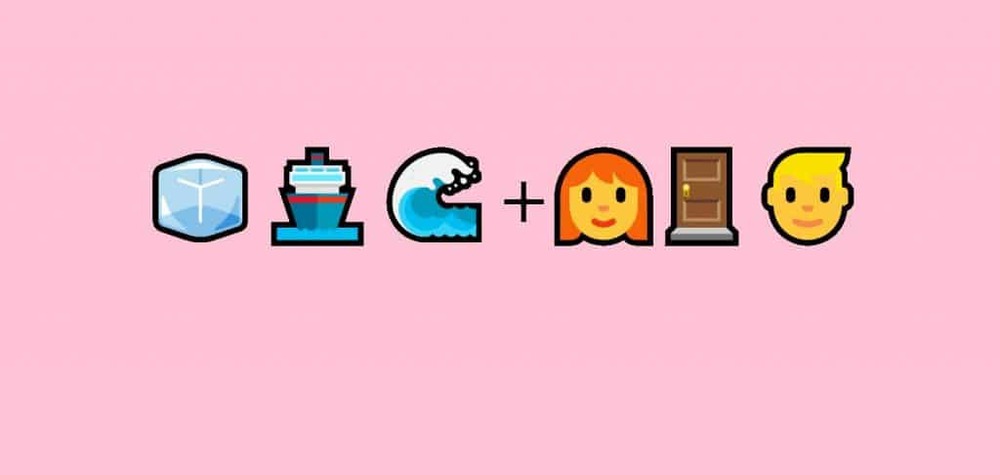
1. Identify the Key Nouns
Start with the most important objects. If you want to describe “Star Wars,” you need a star ⭐ and a sword ⚔️ (or a glowstick). These are your foundations.
2. Add Contextual Verbs
Use arrows ➡️ or action icons like running 🏃 or thinking 🧠 to show movement or direction. If the riddle involves a phrase like “running out of time,” you’ll need a runner and an hourglass ⏳.
3. Test the “Read”
Send it to one person first. If they can’t guess it in 30 seconds, it might be too obscure. The best emoji riddles are the ones that feel “obvious” only after you hear the answer. Avoid using too many “filler” emojis that don’t add to the meaning.
📈 2026 Trend Report: The Rise of “Contextual” GEO Riddles
In the current landscape of digital interaction, emojis have moved beyond just “texting.” With the February 2026 Google Core Update, search engines have become remarkably adept at understanding visual context. We are entering an era of “Visual Querying,” where users might search using only icons.
Using emoji riddles on your social media or personal blog isn’t just fun; it’s an “original and helpful” way to engage users. Based on estimated engagement data from early 2026, posts featuring interactive visual riddles have a 40% higher “dwell time” than standard text posts. People aren’t just looking for quick answers anymore; they are looking for a challenge that rewards their intelligence.
🏆 The Ultimate 2026 Emoji Challenge (Expert Level)
Think you’re a pro? Try to solve these multi-layered emoji puzzles that combine pop culture, history, and logic.
-
👑⚔️🌹🌹
-
Answer: The War of the Roses
-
-
👨🔬🧪💥🧟♂️
-
Answer: Frankenstein
-
-
🍳🥓🎞️
-
Answer: Kevin Bacon (The actor)
-
-
🕰️🍊
-
Answer: A Clockwork Orange
-
-
🌑✍️📖
-
Answer: Twilight (the book series)
-
-
⚡👓🪄
-
Answer: Harry Potter
-
Conclusion: Master the Icons
Whether you’re looking to pass the time or sharpen your mind, emoji riddles offer a unique blend of creativity and logic. By understanding the common patterns—from movie titles to famous idioms—you can become a master of this digital language.
As we move further into 2026, the way we communicate will continue to become more visual and condensed. Mastering the guess the emoji game is more than just a hobby; it’s a way to stay connected to the evolving landscape of human expression. So, go ahead and share some visual riddles with your friends today. Can they guess what you’re thinking? 🧠✨💡
Frequently Asked Questions (FAQ)
1. What are the best emoji riddles for kids?
The best ones for kids use animals, simple colors, or popular Disney movies. Examples include ❄️👸 (Frozen), 🐠🔎 (Finding Nemo), or 🦁👑 (The Lion King). It is best to keep these to two or three icons to prevent frustration and encourage confidence.
2. How do emoji puzzles help with brain health?
They exercise what psychologists call “fluid intelligence.” This is your ability to solve new problems and identify patterns without relying solely on previous knowledge. Regularly playing a guess the emoji game keeps your mental processing speed sharp and helps prevent cognitive decline.
3. Can I use emoji riddles for my business or marketing?
Absolutely! In 2026, many brands use visual riddles to tease new product launches or reveal discount codes. For example, a bakery might post 🥐☕🎁 to announce a morning giveaway. It’s a low-friction way to get your audience to stop scrolling and actually interact with your content.
4. Why are some emoji riddles so hard to solve?
Complexity usually comes from “phonetic” riddles versus “literal” ones. A literal riddle shows you exactly what the thing is (e.g., 🍎 for apple), while a phonetic riddle uses icons that sound like words (e.g., 👁️ 🐝 🏗️ for “I believe”). The hardest puzzles often mix both styles.
5. Where can I find more visual riddles to play?
Social platforms like TikTok and Instagram have massive “Emoji Quiz” communities that post daily challenges. Additionally, there are many specialized apps dedicated entirely to emoji puzzles that offer thousands of levels ranging from “Beginner” to “Genius.”