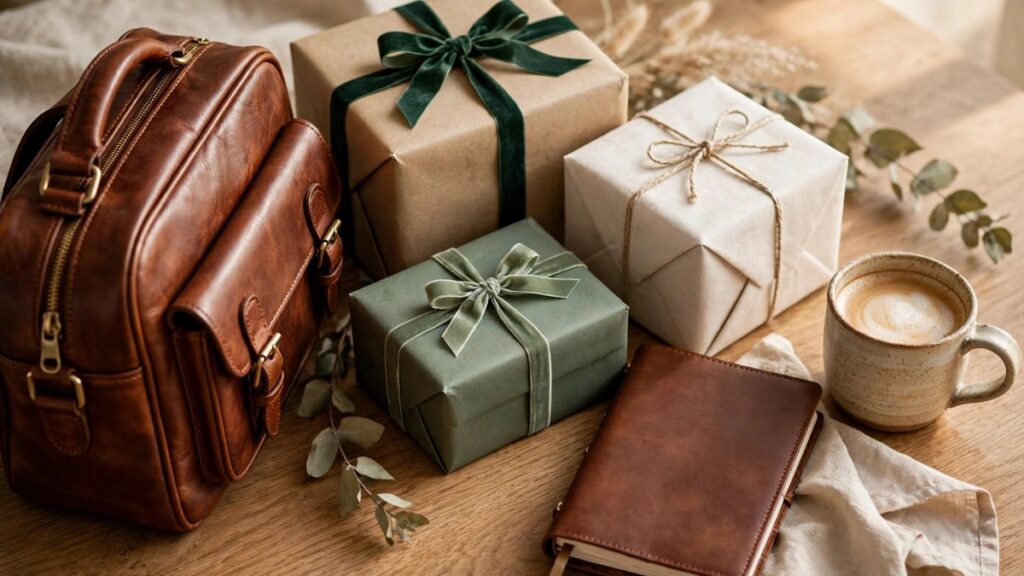
Welcoming a new stepchild into your family is one of the most meaningful moments a blended family can share. It is a fresh start, a new chapter, and a chance to say, in a tangible way, that they belong. The right gift does more than mark the occasion. It tells a child or teenager that you have thought about who they are, what they love, and what might make this new life feel a little more like home.
Choosing a gift for a new stepchild is different from choosing one for a birthday or a holiday. It is not about the biggest box or the flashiest gadget. It is about warmth, patience, and respect. A thoughtful gift can break the ice, open a conversation, or simply give a child something that is entirely theirs in a house full of new faces, new routines, and new rules.
This guide brings together ten of the best gifts for new stepchildren in 2027. Every pick is practical, personal, and chosen to help a child or teenager feel welcome, settled, and valued. You will find ideas for every age, from younger children who love puzzles and craft to teenagers who want something useful for school, sport, or their new room. Each gift includes honest pros and cons, plus price ranges so you can plan with confidence. Check current pricing before you buy, as prices change through the year.
Key takeaways
- The best gifts for new stepchildren feel personal, not generic — choose something that reflects the child’s own interests.
- Shared activities, like a family puzzle book or a skills course, help a blended family bond without forcing it.
- Practical gifts a child can use every day — a water bottle, a work bag, a journal — say “you belong here” quietly and daily.
- Let the child choose how and when to use the gift; never make a gift conditional on affection or gratitude.
- Price ranges below are guides only — always check current pricing before you buy.
| Gift | Best for | Price range |
|---|---|---|
| Family Puzzle Book | Shared family time | £15 – £35 |
| Insulated Water Bottle | School and sport | £18 – £40 |
| Work Bag | School and hobbies | £25 – £60 |
| Journal | Private thoughts and creativity | £12 – £35 |
| Coffee Mug | Teenagers and hot-drink fans | £10 – £25 |
| Desk Organiser | Homework and study space | £15 – £40 |
| Spa Voucher | Relaxation and self-care | £25 – £80 |
| Tote Bag | Everyday carrying | £12 – £35 |
| Hand Cream Set | Self-care and pampering | £10 – £30 |
| Family Skills Course Voucher | Learning together | £30 – £100 |
1. Family Puzzle Book
A family puzzle book is one of the warmest gifts you can give a new stepchild. It is not a solitary present; it is an invitation. Puzzles, riddles, and brain teasers give everyone in the house something to do together on a quiet evening, and they create the kind of low-pressure conversation that blended families need most. There is no awkward small talk when you are both trying to solve the same tricky riddle.
Look for a book with a mix of difficulty levels so younger children and teenagers can both join in. Books with colourful illustrations, themed chapters, and a mix of word puzzles, logic puzzles, and visual challenges tend to get the most use. Some families keep the book on the coffee table and work through one puzzle a night, which turns it into a small daily ritual.
Pros: encourages family bonding; screen-free; suits a wide age range; lasts for months.
Cons: may not appeal to a child who dislikes puzzles; a very young child may need help with harder pages.
2. Insulated Water Bottle
An insulated water bottle is a small gift with a big everyday impact. A new stepchild is adjusting to a new school run, new sports clubs, and new routines, and a good bottle goes with them everywhere. It keeps drinks cold for hours, fits in a school bag side pocket, and — when you pick a colour or pattern they like — becomes something that is unmistakably theirs.
Choose a sturdy stainless-steel bottle with a leak-proof lid and a size that suits the child’s age. Smaller bottles around 500 ml suit younger children, while teenagers often prefer 750 ml or more. Personalised bottles with a name or initial are a lovely touch, but only if you are confident about the spelling and the child would enjoy it.

Pros: used every day; durable; helps the child stay hydrated; easy to personalise.
Cons: bottles can be lost at school; personalised versions take longer to arrive and cannot be returned easily.
3. Work Bag
A good work bag — a sturdy backpack or messenger bag — is one of the most useful gifts for a new stepchild, especially one starting at a new school. It carries books, a lunchbox, sports kit, and all the small things a child collects in a day. More than that, it is a fresh start: a new bag for a new chapter, chosen just for them.
Look for padded straps, a laptop or tablet sleeve for older children, and a water-resistant fabric that survives rain and muddy fields. Let the child pick the colour if you can; a bag they chose themselves is one they will actually want to carry. If you are buying before you know their taste, a plain, well-made bag in a neutral colour is the safest choice.
Pros: practical and used daily; marks a fresh start; lots of styles to suit every age.
Cons: sizes vary a lot, so check measurements; a bag in the wrong style may sit unused.
4. Journal
A journal is a gift of privacy, and that matters enormously for a child settling into a blended family. A new stepchild has a lot to process — new people, new rules, new feelings — and a journal gives them a safe, private place to put it all. It says: your thoughts are yours, and that is respected here.
A good journal has thick paper that does not bleed through, a cover that feels special, and either lined or blank pages depending on whether the child likes writing or drawing. For younger children, a journal with prompts can help them get started. For teenagers, a plain, beautiful notebook with no prompts at all is often best — it lets them decide what it is for.
Pros: supports emotional wellbeing; encourages writing and creativity; deeply personal.
Cons: some children will not use it; never read a gifted journal without permission.
5. Coffee Mug
For a teenage stepchild, a coffee mug might seem like a small gift, but it carries a surprisingly warm message. A mug of their own in the kitchen cupboard — one that nobody else uses — is a quiet sign of belonging. It is there every morning, waiting for them, in their new home.
Choose a generously sized mug in a colour or design that matches their personality: funny, minimalist, colourful, or fandom-themed. Pair it with a bag of hot chocolate or their favourite tea for an instant, ready-to-enjoy gift. Ceramic mugs feel more special than plastic, and a sturdy one will survive daily use.
Pros: affordable; personal; used every day; easy to pair with hot chocolate or tea.
Cons: best suited to teenagers; mugs can chip or break; not ideal for younger children.
6. Desk Organiser
When a child moves into a new home, they need a space that is theirs — and a desk organiser is a simple way to help them claim it. A tidy desk with pens, pencils, and stationery in easy reach makes homework less of a chore and gives a child a sense of ownership over their corner of the house.
Look for an organiser with compartments for pens, a phone or tablet stand, and a small drawer or two for treasures. Wooden organisers look smart and last for years, while colourful plastic ones suit younger children. If the child does not yet have a desk of their own, a small bedside organiser can do the same job on a smaller scale.
Pros: helps a child settle into their own space; practical for homework; lasts for years.
Cons: only useful if the child has a desk or table; styles vary, so taste matters.
7. Spa Voucher
A spa voucher is a thoughtful gift for an older stepchild, especially a teenager who might be feeling the stress of a big family change. It is a gift that says: take some time for yourself. Whether it is a manicure, a massage, or a simple pampering session, it gives them a treat that is entirely about them.
Choose a local spa or salon with good reviews and a voucher that is valid for at least six months, so there is no pressure to use it quickly. If you are unsure what treatment they would like, a monetary voucher lets them choose. For younger teenagers, a voucher for a fun treatment like a manicure or a haircut is usually a safer bet than a full spa day.
Pros: a genuine treat; encourages self-care; flexible if you buy a monetary voucher.
Cons: best for teenagers; vouchers can expire, so check the terms; some children may feel shy about spa visits.
8. Tote Bag
A tote bag is a simple, versatile gift that suits almost any age. Younger children can use it for library books and toys, while teenagers can carry it to school, the gym, or the shops. A sturdy canvas tote with a fun print or a favourite character becomes a daily companion, and it is light enough to fold into a bigger bag when it is not needed.
Look for strong handles, a reinforced base, and a fabric that can be washed. Canvas is the classic choice, but recycled cotton and denim totes are also popular. If you want to make it extra special, a tote with the child’s name or a design they love turns a practical item into a personal one.
Pros: affordable; versatile; washable; easy to personalise.
Cons: not waterproof; smaller totes cannot carry heavy books.
9. Hand Cream Set
A hand cream set is a gentle, pampering gift that works well for a stepchild who enjoys self-care, or one who is still finding their feet and might appreciate a small luxury. A set of two or three creams in different scents, neatly packaged, feels like a real treat without being overwhelming.
Choose a set with natural ingredients and scents that are not too strong — vanilla, almond, and shea butter are safe, crowd-pleasing choices. Avoid heavily fragranced sets if the child has sensitive skin. A hand cream set also pairs beautifully with a mug or a journal if you want to build a small gift hamper.
Pros: affordable and lovely to receive; suits a wide age range; easy to combine into a hamper.
Cons: not suitable for children with sensitive skin or allergies — check ingredients first; mostly suited to girls, though unisex sets exist.
10. Family Skills Course Voucher
A family skills course voucher is the most forward-looking gift on this list. Cooking classes, pottery workshops, coding clubs, or art courses give a new stepchild something to look forward to — and something to do together with their new family. Shared learning builds shared memories, and shared memories are what turn a house into a home.
Choose a course that matches the child’s interests rather than your own. A child who loves food will adore a baking class; a creative child might prefer pottery or drawing; a tech-mad teenager might love a coding or robotics workshop. Many courses offer family sessions, so a parent and stepchild can attend together — a wonderful way to bond without the pressure of forced conversation.
Pros: creates shared memories; builds confidence; the child learns a real skill.
Cons: the most expensive gift on this list; courses need booking in advance; the child must actually want to attend.
How to choose the right gift
Start by thinking about the child, not the occasion. What do they already love? What do they talk about? What would make their daily life in a new home a little easier or a little happier? If you are unsure, ask their parent — or, better still, ask the child. A simple “is there anything you would like for your room?” can tell you more than any gift guide.
Keep the gift low-pressure. A present for a new stepchild should never feel like a test, a bribe, or a demand for affection. Give it warmly, without a big speech, and let the child decide how they feel about it. If they love it, wonderful. If they are quiet about it, that is fine too — the message lands over time, not in a single moment.
If you are looking for more ideas for the wider blended family, our guides to the best gifts for new stepparents and the best gifts for stepdads are full of thoughtful picks, and the best gifts for new sisters guide is perfect if the family is growing in more than one direction.
Finally, remember that the gift is only the beginning. The real present is the welcome itself: patience, kindness, and the steady message that this child belongs here, exactly as they are.
Checklist: before you buy
- Check the child’s age and interests — a gift that fits who they are beats a generic one every time.
- Check sizes and measurements for bags, bottles, and organisers before ordering.
- Check ingredients and allergy information on creams, spa products, and food gifts.
- Check voucher expiry dates and booking terms so the gift can be used without pressure.
- Check current pricing — prices change, and a quick check avoids surprises at the till.
- Keep the receipt, just in case an exchange is needed — no fuss, no awkwardness.
Frequently asked questions
What is the best gift for a new stepchild?
There is no single best gift. The best choice is something personal and low-pressure: a journal, a water bottle, or a family puzzle book are all excellent starting points because they are useful, thoughtful, and easy to enjoy without any awkwardness.
Should I ask the child what they want?
Yes, if you can do it casually. Asking shows respect and avoids a gift that misses the mark. If asking directly feels awkward, ask their parent for ideas, or choose something practical that suits their age.
How much should I spend on a gift for a new stepchild?
There is no right amount. A thoughtful £15 gift beats a thoughtless £100 one. Focus on meaning and usefulness rather than price, and check current pricing to stay within your budget.
Is it okay to give a gift when first meeting a stepchild?
A small, simple gift can be a lovely icebreaker, but keep it modest. A big, expensive gift on a first meeting can feel overwhelming. Save larger gifts for once you know each other better.
What gifts should I avoid for a new stepchild?
Avoid gifts that feel conditional, overly personal, or designed to replace something from their other parent’s home. Avoid anything that pressures the child to feel a certain way, and skip gifts that require the child to perform gratitude.
Can a gift help a blended family bond?
Yes — especially shared gifts like a puzzle book or a family skills course. They give everyone something to do together, which is often easier than sitting down for a serious talk. Bonding grows from shared time, and a good gift can start that process.
Bottom line: the best gifts for new stepchildren are personal, practical, and low-pressure. Choose something that reflects the child, give it warmly, and let the welcome speak for itself. A puzzle book for family evenings, a journal for private thoughts, or a water bottle for every school day — each one says the same thing in its own way: you belong here.
Note: Price ranges in this article are guides only. Always check current pricing with the retailer before you buy, as prices and availability can change.